Parking Challenges Remain Major Obstacle to UK Event Attendance
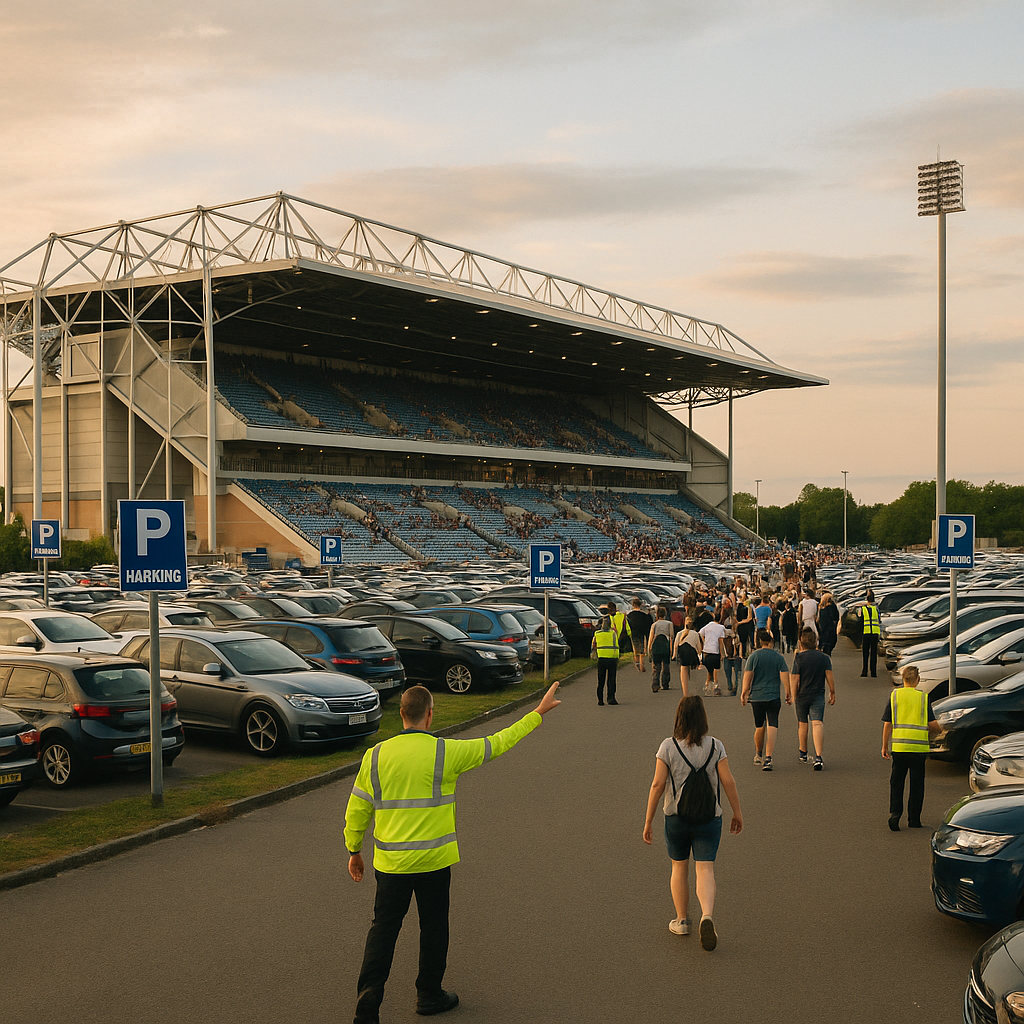
As the UK enters its peak season for live events, fresh research indicates that parking continues to be a significant deterrent for potential attendees, even as demand for in-person experiences remains strong. While the calendar is packed with cricket fixtures, tennis championships, motorsport meetings, horse racing and major music festivals, the supporting transport and parking infrastructure is still struggling to keep pace.
New findings released by parking platform JustPark highlight ongoing friction around access to venues, particularly the availability, cost and predictability of parking near stadiums, arenas and large outdoor sites. The data suggests that, for many would-be ticket buyers, uncertainty over where to park and how long it will take to arrive can be enough to put them off attending altogether.
Background: mobility pressures on live events
Live events in the UK have rebounded strongly since the pandemic, with organisers investing heavily in digital ticketing, audience engagement tools and hybrid formats. Yet physical access to venues – especially in car-dependent regions or where public transport is limited – has emerged as a persistent operational challenge.
For large-scale fixtures such as England Test matches, Wimbledon, Silverstone, Royal Ascot and high-capacity music tours, the event experience effectively begins long before attendees reach the turnstiles. Queues on surrounding roads, insufficient signage to official car parks and inconsistent information about pre-booking can all erode satisfaction and, in some cases, deter attendance altogether.
Against this backdrop, the JustPark research points to a widening gap between sophisticated digital fan journeys inside venues and comparatively underdeveloped mobility and parking strategies outside them. This disconnect is becoming more visible as audiences place greater emphasis on convenience, time savings and certainty when planning leisure trips.
Key findings from the JustPark research
While the full dataset has not been publicly detailed, the headline conclusion from JustPark is that parking remains a central barrier to attending UK events. Concerns flagged by respondents cluster around three main themes: limited availability of spaces near venues, perceived or actual high costs, and anxiety over traffic congestion and journey time.
Many respondents indicated that they factor parking into their decision-making at the point of ticket purchase. Where convenient, clearly signposted and reasonably priced options are not evident, some choose alternative activities or opt to watch events from home instead. This is particularly pronounced for family groups or attendees travelling from outside major cities, who may have fewer public transport alternatives.
The research also suggests that ad hoc, on-the-day parking approaches – driving towards the venue and hoping for the best – are increasingly unattractive. Attendees express a preference for guaranteed, pre-booked spaces and clear digital guidance on routes, walking distances and exit times. Where such services are not available, the perceived risk of delays or missed start times can undermine the appeal of attending in person.
JustPark, which operates a technology platform connecting drivers with parking spaces, frames these findings as evidence of a broader structural issue: venue-centric planning that does not fully account for the wider travel ecosystem or the potential of digital tools to orchestrate arrival and departure flows.
Implications for the event and venue ecosystem
For event organisers, promoters and venue operators, the research reinforces the idea that parking is not merely a logistical afterthought but a critical component of the overall customer journey. Poor parking experiences can impact net promoter scores, repeat attendance, secondary spend and reputation. Conversely, well-managed parking and mobility planning can become a competitive advantage in attracting audiences and commercial partners.
There are also operational and sustainability considerations. Inefficient parking processes can cause extended idling, localised congestion and emissions spikes in residential areas around venues. Local authorities are under pressure to manage traffic, air quality and safety, particularly on event days when volumes surge. Better coordination between event organisers, transport providers, local councils and third-party parking services could alleviate some of these pressures.
The data underlines that digital capabilities developed elsewhere in the event tech stack – from personalised messaging to real-time analytics – could be more systematically applied to arrival and parking. Integrating parking information into event apps, ticketing journeys and pre-event communications can help manage expectations, spread arrivals over longer windows and guide attendees to less congested routes or peripheral car parks.
Why this matters for event professionals and technology providers
For B2B event professionals, the research is a reminder that the scope of event technology now extends beyond registration systems, content delivery and onsite engagement. Parking and mobility management represent an adjacent domain ripe for digital transformation, with measurable impact on attendance and satisfaction metrics.
Organisers can explore several strategies in response to the concerns highlighted:
- Data-driven planning: Use historical attendance and traffic patterns to forecast peak arrival times and align parking capacity, staffing and signage accordingly.
- Integrated communications: Embed parking options, maps and walking routes into confirmation emails, apps and push notifications, updating in real time where possible.
- Pre-booking systems: Partner with parking platforms or deploy in-house tools to enable advance reservation, transparent pricing and digital permits.
- Wayfinding and navigation: Combine GPS data, venue maps and dynamic messaging to guide drivers to the right entrance or car park, reducing last-minute confusion.
- Multimodal options: Highlight park-and-ride, shuttle services and public transport integrations within the same digital journey, supporting more sustainable choices.
For technology providers, the findings open up opportunities to collaborate with parking platforms, mobility-as-a-service operators and local authorities. There is scope to integrate parking availability feeds into event apps, develop APIs between ticketing systems and parking inventories, and build analytics dashboards that correlate parking patterns with arrival times, dwell time and spend.
As hybrid and in-person events evolve, the line between traditional event tech and smart city infrastructure is blurring. Vendors that can bridge these domains – offering tools that help coordinate not only what happens inside the venue but also how people arrive and depart – may find increasing demand from organisers seeking end-to-end solutions.
Conclusion
The latest research from JustPark underscores that, despite advances in digital event experiences, basic access challenges persist for UK attendees. Parking remains a decisive factor in whether people choose to travel to live events, particularly during busy summer periods when demand peaks across sport, culture and entertainment.
Addressing these issues will require closer collaboration between organisers, venues, local authorities and technology partners, with a focus on integrating parking and mobility into the core event planning process. As audience expectations for seamless journeys continue to rise, those in the events ecosystem who treat parking as a strategic priority, supported by data and technology, are likely to be better positioned to sustain and grow attendance.