EICC secures 91 events, projects £50m boost for Edinburgh
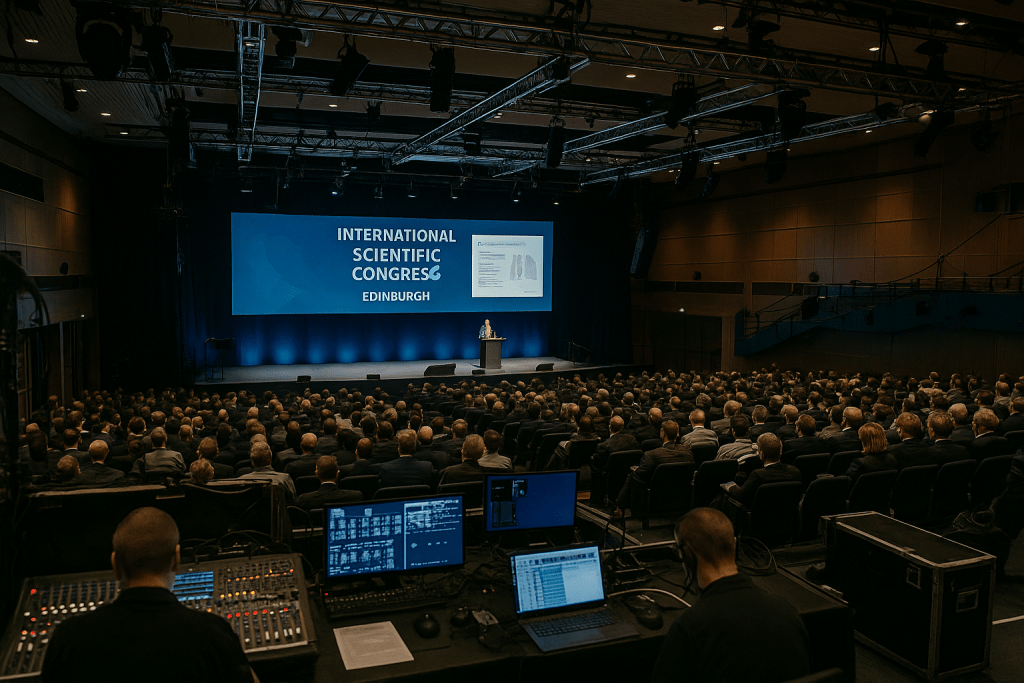
Edinburgh International Conference Centre (EICC) has reported a strong pipeline of business for the coming years, confirming 91 new conferences and meetings in the last six months. The newly contracted events are projected to generate close to £50 million in future economic impact for Edinburgh and are expected to bring nearly 54,000 delegates to the city.
The bookings include a number of multi-year agreements running through to 2031, underlining continued confidence in the Scottish capital as a destination for large-scale business events and as a base for long-term conference partnerships.
Background or industry context
The announcement comes as convention centres and destination management organisations across Europe work to rebuild and expand their event portfolios after several years of disruption. With international travel patterns stabilising and corporate and association planners returning to in-person formats, competitive bidding for high-yield conferences has intensified.
Venues such as the EICC, which combine flexible meeting space with strong connectivity to academic and sector clusters, are increasingly positioning themselves as anchors for economic development as well as event delivery. Economic impact calculations for major conferences typically include delegate and organiser spend on accommodation, hospitality, transport and ancillary services, alongside broader benefits such as knowledge exchange, research collaboration and investment opportunities.
The role of conference centres within city strategies has therefore broadened, linking event acquisition more closely to long-term sector growth, talent attraction and international profile. Against this backdrop, securing a large volume of future events provides both revenue certainty for the venue and a pipeline of business for local suppliers in the events ecosystem.
Key developments or announcement
Over the six-month period, medical and healthcare-related conferences emerged as the leading segment in the EICC’s new business wins. These events often draw international delegates, require multi-day programmes and utilise a range of venue spaces and technical services, making them particularly valuable for venues and host cities.
While detailed breakdowns were not disclosed, the centre indicated that medical conferences accounted for the largest proportion of economic impact among the newly secured events. This aligns with Edinburgh’s established reputation in life sciences, medicine and academic research, which continues to be a key factor in attracting international association meetings.
Alongside medical congresses, the EICC’s new bookings span corporate meetings, industry conferences and other professional gatherings. The addition of multi-year contracts extending up to 2031 provides forward visibility on venue utilisation and gives both the organiser and the centre a longer runway for planning, sponsorship development and technology upgrades.
The nearly 54,000 delegates expected across the 91 events reflect a mix of domestic and international attendance. These participants are forecast to drive direct spend across hotels, restaurants, transport providers, cultural venues and retail, with knock-on effects for jobs and supply chains linked to the events sector.
Industry impact
The projected £50 million in future economic impact underlines the role of business events as a strategic component of urban economies. For Edinburgh, the newly contracted conferences help sustain a diverse visitor base beyond leisure tourism, smoothing seasonal demand and supporting higher-value travel.
For the wider events industry, the EICC’s results reinforce several ongoing trends:
- Resilience of medical and association meetings: Healthcare and scientific congresses remain among the most stable and internationally mobile event types, often booking years in advance and returning in rotation.
- Longer planning horizons: Multi-year agreements through to 2031 reflect organisers’ willingness to commit to long-term venue partnerships when infrastructure, accessibility and local sector strengths are aligned.
- Destination-venue collaboration: Securing high-impact conferences typically involves coordination between the venue, city authorities, academic institutions and local industry, highlighting the importance of integrated bidding strategies.
These developments also underline the continued need for robust event technology infrastructure. Large-scale conferences increasingly rely on advanced connectivity, hybrid participation options, data management and onsite production capabilities. Venue investment in these areas can be a deciding factor for event organisers assessing potential hosts.
Why this matters for event professionals and technology providers
For event professionals, the EICC’s secured pipeline illustrates where demand is concentrating and how venues are positioning to attract long-term business:
- Association and medical focus: Planners working with scientific and medical societies can expect continued competition among destinations and venues, with local research strengths and specialist infrastructure forming key parts of bid narratives.
- Hybrid-ready environments: Although the announcement centres on in-person economic impact, organisers increasingly require the flexibility to add remote participation or content-on-demand. Venues that can demonstrate reliable streaming, recording, interaction tools and analytics are better placed to secure multi-year commitments.
- Data-driven economic impact: Clear projections of delegate numbers and spend help justify support from city partners and sponsors. Technology that captures attendee behaviour, session engagement and on-site transactions will become more relevant as stakeholders seek evidence of return on investment.
For technology providers, sustained growth in high-value conferences at venues like the EICC highlights several opportunity areas:
- Integrated event platforms: Solutions that support registration, programme management, mobile apps, access control and lead capture remain central to large congress delivery.
- Onsite production and broadcast tools: As venues host more complex, content-heavy events, demand rises for scalable AV, simultaneous interpretation, studio-style spaces and managed streaming services.
- Sustainability tracking: With conferences under pressure to demonstrate environmental responsibility, tools that measure carbon impact, waste reduction and resource usage may gain prominence in venue and organiser decision-making.
Conclusion
The confirmation of 91 new events and an anticipated £50 million in future economic impact positions the Edinburgh International Conference Centre as a key driver of the city’s business tourism and knowledge economy in the years ahead. The strong showing from medical and scientific conferences reinforces the link between sector expertise and event attraction, while the presence of bookings through 2031 indicates confidence in the long-term value of in-person meetings.
For the wider event technology and venue community, the EICC’s recent wins highlight the importance of combining sector-aligned destination strengths with flexible infrastructure and robust tech capabilities. As competition for high-yield conferences continues, venues that can evidence both economic impact and a modern, connected event environment are likely to be favoured by planners seeking secure, long-term partnerships.