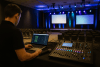
Spectera returns to deliver audio infrastructure for Eurovision Song Contest 2026

Background and context
The Eurovision Song Contest has become one of the most demanding live productions on the global calendar, combining a large-scale music competition with a complex international broadcast. Each year, the event pushes host venues and technical crews to deliver consistent audio and RF performance under intense scrutiny.
For the 2026 edition, organisers again face the challenge of managing hundreds of audio channels, extensive in-ear monitoring, and wireless microphone systems, all while maintaining reliability for a worldwide television audience. These requirements place particular pressure on frequency coordination, interference management, and system redundancy.
Specialist audio companies with experience in high-profile live broadcasts have become essential partners to ensure that the technical infrastructure can support both the stage production and the broadcast mix.
Key announcement
Spectera has confirmed it will return to provide key elements of the audio and RF infrastructure for the Eurovision Song Contest 2026. The company, which has previously supported Eurovision, is expected to handle core tasks including wireless frequency planning, system integration, and on-site technical support for the host broadcaster and production teams.
The scope of work typically covers the deployment and coordination of wireless microphone and in-ear monitoring systems, integration with the main sound reinforcement setup, and support for the broadcast audio workflow. This includes ensuring stable communication between stage, OB trucks, and control rooms, as well as maintaining clean RF conditions throughout rehearsals and live shows.
While detailed technical specifications for 2026 have not yet been fully disclosed, Spectera’s involvement suggests the use of high-density RF solutions and scalable audio infrastructure designed to cope with multiple acts, quick changeovers, and simultaneous international feeds.
Information about the company’s broader project portfolio and services is available via its official channels, including its presence on the Sennheiser professional audio website.
Industry impact
Eurovision continues to function as a test bed for large-scale live production practices, and suppliers involved in the event often help establish reference standards for how complex shows are delivered. Spectera’s return underlines the growing specialisation in RF management and integrated audio systems for major music broadcasts.
The event’s requirements mirror challenges faced by large festivals, arena tours, and multi-stage televised productions: crowded RF environments, tight production schedules, and the need for seamless coordination between FOH, monitors, and broadcast teams. Solutions proven on a stage as visible as Eurovision often influence subsequent deployments at regional contests, national finals, and other televised music events.
For manufacturers and rental providers, Eurovision’s technical decisions can also guide investment in new equipment and workflows, especially around spectrum-efficient systems and tools that support precise frequency coordination.
Why this matters
For event technology professionals, Spectera’s role at Eurovision 2026 highlights the increasing importance of specialist RF and audio infrastructure partners in high-stakes productions. As available spectrum becomes tighter in many regions, expertise in frequency planning and interference mitigation is turning into a core requirement for large events, not a niche skill.
The contest’s scale offers a real-world example of how robust wireless audio networks can be deployed in a congested environment while still meeting the expectations of artists, audiences, and broadcasters. Lessons from Eurovision frequently filter down to smaller but still complex productions, such as corporate shows, televised award ceremonies, and hybrid events.
Teams planning large-scale shows can look to Eurovision’s technical setup as a reference for redundancy strategies, intercom and monitoring solutions, and cross-department coordination. Spectera’s continued involvement suggests that experience with recurring flagship events remains a key factor when selecting partners for mission-critical audio infrastructure.