Brands increasingly integrate products into experiential event decor
Background and context
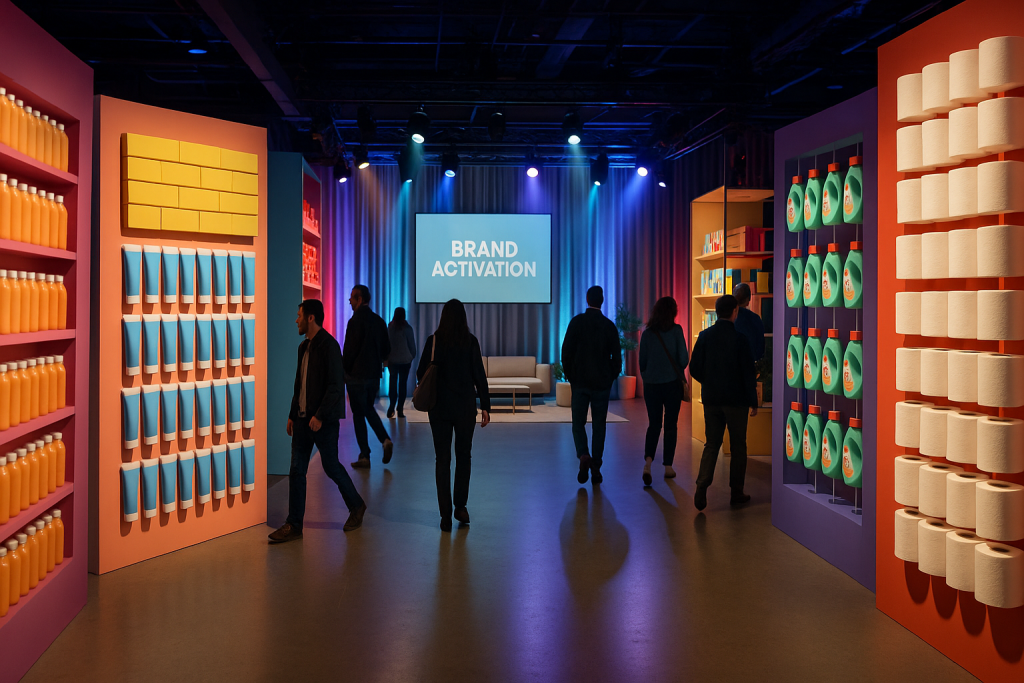
As experiential marketing continues to grow, brands are looking for new ways to make their products central to the physical environment of events. Instead of relying solely on traditional signage or standard decor, marketers are increasingly using the products themselves as structural and visual elements.
This approach is appearing across sectors, from consumer goods to beauty and lifestyle brands. Common items such as office supplies, sunglasses, cosmetics, and even modular components like toy bricks are being reimagined as large-scale decor pieces, scenic elements, and interactive installations.
The result is a style of event design that turns products into both the message and the medium, allowing attendees to experience a brand in a more tactile and visually striking way.
Key announcement
Recent brand activations have highlighted a range of techniques for integrating products into decor. In several cases, everyday items were scaled up, repeated, or reconfigured to form the physical backbone of an event environment.
- Office and desk supplies were stacked, suspended, or arranged into geometric structures that doubled as wayfinding, photo backdrops, or sculptural centerpieces.
- Sunglasses and similar accessories were used as pattern elements, creating walls, ceilings, or hanging installations that reflected the product’s color palette and style.
- Beauty products, including mascara tubes and other cosmetics, inspired oversized replicas and stylized props that reinforced product launches or brand storytelling.
- Modular pieces, such as building-block-style flowers, were repurposed as floral arrangements, table decor, and entry features that echoed the brand’s playful identity.
These examples point to a larger shift in how creative teams and fabricators collaborate with marketing departments, using product inventory, replicas, or product-inspired forms as core design tools rather than add-ons.
For more information on integrating physical products into live environments, manufacturers and brand teams often provide case studies and guidelines on their official websites and product pages.
Industry impact
For event professionals, this trend changes how scenic design, budgeting, and logistics are approached. Products are no longer just samples or giveaways; they can become building blocks for stages, lounges, and interactive zones.
Agencies and producers are working more closely with procurement and merchandise teams to identify which items can safely and effectively function as decor. This includes considering weight, durability, fire codes, and attendee interaction, as well as sustainability and reusability after the event.
- Designers gain a more integrated visual language that ties decor directly to brand identity.
- Production teams must plan for secure mounting, transport, and potential repurposing of products used as structural elements.
- Brands can measure engagement not only through impressions but also through how attendees photograph and share these product-based installations.
This approach also influences supplier relationships, as fabricators are asked to blend custom scenic work with off-the-shelf items and product replicas.
Why this matters
Turning products into decor reflects a broader move toward immersive and Instagram-ready environments in the event and experiential sectors. When executed well, it allows brands to communicate benefits, aesthetics, and personality without relying heavily on text or overt advertising.
For event organizers, the practice offers a way to differentiate experiences, especially in competitive categories such as consumer packaged goods, beauty, and lifestyle. It can also streamline storytelling by aligning everything from entrance features to tabletop details around a single, recognizable product.
However, this strategy requires careful planning to avoid visual clutter or over-commercialization. The most effective executions balance function and branding, ensuring that spaces remain comfortable, navigable, and aligned with the event’s broader objectives.
As more brands experiment with product-based event decor, this design tactic is likely to become a standard consideration in briefs for launches, conferences, and pop-up experiences, rather than a one-off creative flourish.