How nature-led design is reshaping the 2026 conference

Introduction
The way conferences are conceived, produced and experienced has undergone a marked shift by 2026. Traditional formats built around rigid agendas, enclosed meeting rooms and a single learning style are giving way to experiences that combine personalisation, wellbeing and flexible engagement. For corporate event planners and technology providers, this evolution is prompting a re-examination of how content is delivered, how spaces are designed and how value is measured.
Organisers are increasingly looking beyond the conventional conference centre, exploring venues and formats that integrate natural environments, informal networking and mixed-modality content. At the same time, digital tools are being used to tailor programmes to individual delegate needs while maintaining scalable, measurable outcomes for hosts.
Background or industry context
For much of the last decade, conference experiences have been challenged on two fronts: changing attendee expectations and rapid advances in event technology. Delegates now arrive with a clear sense of what they want from in-person attendance, often shaped by hybrid and virtual experiences during the early 2020s. They expect choice over how and when they engage, opportunities to move between formal sessions and informal interaction, and environments that support rather than drain their energy.
At the same time, organisations have become more aware of the role that wellbeing and environment play in learning, creativity and retention. Research into workplace performance and mental health has filtered into event design, leading planners to reconsider everything from room layout and lighting to break formats and outdoor access. As sustainability imperatives intensify, interest in venues that blend natural surroundings with modern infrastructure has also grown.
Technology sits alongside these trends as both an enabler and a driver of change. Data-informed agenda planning, personalised session recommendations, mobile event apps and on-site analytics have made it easier to adapt programmes in real time. This has allowed organisers to experiment with variable session lengths, small-group formats and mixed indoor-outdoor activities, confident that participation and impact can still be tracked.
Key developments or announcement
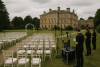
The emerging conference model for 2026 places a strong emphasis on balancing structured content with restorative, nature-linked experiences. Venues with access to green space, natural light and outdoor activity options are increasingly being considered not as ancillary features but as core components of programme design.
Hyper-personalisation is a central feature of this shift. Rather than requiring every attendee to follow a single track from keynote to breakout to panel, organisers are building agendas that allow delegates to curate their own experience. Common elements of this approach include:
- Choice-based schedules: Delegates select from concurrent sessions, small-group discussions, wellbeing activities or one-to-one meetings, often supported by recommendation engines within event platforms.
- Modular content formats: Longer plenaries are broken into shorter segments that can be reconfigured across different spaces, including outdoor areas, informal lounges and hybrid-ready rooms.
- Wellbeing-centric breaks: Instead of passive coffee breaks, agendas incorporate activities such as guided walks, low-intensity exercise, or quiet reflection zones, intentionally designed to reset attention.
Some venues and organisers are also reframing how delegates move through an event. Wayfinding, schedules and app experiences are being designed to encourage time spent in natural or biophilic spaces between sessions. This is paired with technology that maintains connectivity and content access, so that stepping outside no longer means disconnecting from the event itself.
From a production standpoint, AV and staging teams are adapting setups to accommodate both conventional meeting rooms and more fluid environments. This can include portable presentation technology, weather-resilient equipment and hybrid configurations that allow remote participants to join sessions taking place in unconventional indoor or outdoor spaces.
Industry impact
These changes are reshaping how event professionals plan, resource and evaluate conference programmes. For planners, the shift towards nature-led and wellbeing-focused experiences introduces more variables into logistics, risk management and technical delivery. It also broadens the skillset required, with greater emphasis on behavioural insight, experience design and environmental factors.
From a venue perspective, demand is increasing for facilities that combine high-quality connectivity and AV infrastructure with access to woodland, lakes, gardens or other natural features. Properties that historically marketed themselves on leisure amenities are now positioning those same attributes as assets for corporate events, provided they can support the technical and accessibility standards expected of modern conferences.
Technology partners are seeing expanded roles as well. Event platforms are being used to orchestrate personalised journeys, manage capacity across multiple zones and capture data from diverse touchpoints, both indoors and outdoors. Tools that can integrate wellbeing-related activities into the event narrative—without feeling intrusive—are gaining attention, as organisers look to quantify engagement, satisfaction and learning outcomes across a more fluid programme.
Budget allocation is also being reconsidered. Spend that might once have gone solely into traditional stage sets and static breakout rooms is being redistributed towards flexible infrastructure, mobile AV, experience design and environmental enhancements. In some cases, the perceived value of a conference is now judged as much by how refreshed and connected delegates feel as by the number of sessions attended.
Why this matters for event professionals and technology providers
For event professionals, the evolving 2026 conference model underscores the need to design experiences around how people actually absorb information and connect with peers, rather than how programmes have historically been structured. Integrating natural surroundings and wellbeing into conference planning is no longer a niche consideration; it is becoming a competitive differentiator, particularly for organisations aiming to attract in-demand audiences back to in-person events.
For technology providers, the trend highlights a growing requirement for platforms and tools that operate reliably beyond traditional meeting spaces. Solutions that can support seamless connectivity, hybrid participation and analytics across varied environments will be increasingly valuable. There is also an opportunity for innovation around personalised agendas, adaptive content delivery and wellbeing-focused engagement features that can be layered into existing event tech ecosystems.
Both groups will need to collaborate closely with venues that can accommodate this shift—balancing natural settings with robust infrastructure, accessibility and sustainability practices. As corporate stakeholders seek measurable return on investment, the ability to demonstrate how nature-informed, personalised conference experiences translate into higher engagement, stronger relationships and better decision-making will be critical.
Conclusion
By 2026, the conference experience is moving decisively away from a single, linear agenda delivered in enclosed rooms, towards a more adaptive model that blends technology, wellbeing and the natural environment. Rather than treating these elements as competing priorities, leading organisers are weaving them together to create programmes that support focus, creativity and meaningful interaction.
For the event technology and corporate events sectors, this represents both a challenge and an opportunity. Those able to align content strategy, venue selection and technology infrastructure around delegate-centric, nature-aware design are likely to define the next standard for conference experiences—one in which the physical and digital, the formal and informal, and the indoor and outdoor are all part of a coherent whole.