Interpretation Equipment in Events: Enabling Multilingual Communication With Accuracy and Control
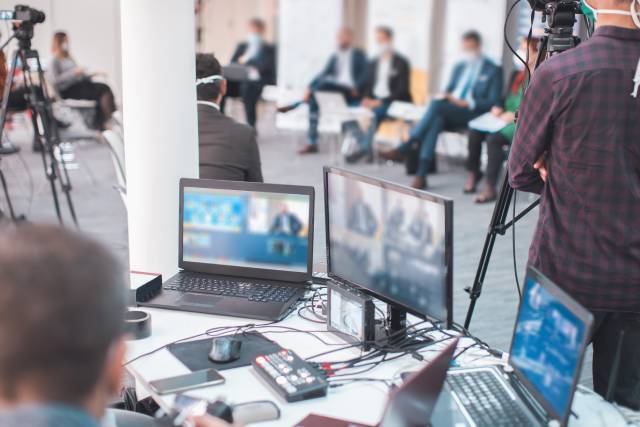
Interpretation equipment is a critical yet often overlooked component of professional event technology. In conferences, summits, government meetings, and international exhibitions, interpretation equipment enables participants who speak different languages to engage with the same content simultaneously. Without it, multilingual events struggle to deliver equity, clarity, and meaningful participation.
Modern interpretation equipment goes far beyond headsets and microphones. It is a structured audio ecosystem designed to deliver clean source sound to interpreters and distribute translated audio to audiences with minimal latency and high reliability. This article examines interpretation equipment as essential event infrastructure, focusing on its function, components, and operational importance in contemporary multilingual events.
The Role of Interpretation Equipment in Events
Interpretation equipment allows spoken content to be translated and delivered in real time without interrupting program flow. Unlike consecutive interpretation, which pauses speakers to allow translation, simultaneous interpretation relies entirely on technology to function effectively.
In professional events, interpretation equipment ensures that all participants receive the same information at the same time, regardless of language. This supports inclusivity, fairness, and professionalism while maintaining pacing and engagement.
Interpretation equipment is not an optional enhancement. In multilingual environments, it is foundational communication infrastructure.
Why Interpretation Equipment Requires Dedicated Planning
Interpretation places higher technical demands on audio systems than standard event sound. Interpreters rely on consistent, distortion-free audio to deliver accurate translation. Even minor audio issues can lead to misunderstanding or fatigue.
Planning for interpretation equipment must account for:
Number of languages required
Event format and session flow
Room acoustics and noise levels
Integration with microphones and audio mixers
Distribution methods for audience listening
Without deliberate planning, interpretation quality degrades rapidly, undermining the value of the entire event.
Core Components of Interpretation Equipment
Interpreter Consoles
Interpreter consoles are the control units used by interpreters to receive source audio and transmit translated output. These consoles allow interpreters to adjust volume, switch languages, and coordinate with relay interpreters when multiple languages are involved.
High-quality consoles provide clear monitoring, low latency, and ergonomic controls that reduce fatigue during long sessions. Console reliability directly affects interpretation accuracy.
Interpretation Booths
Interpretation booths provide sound isolation for interpreters. They prevent ambient noise from entering the interpreter’s workspace while ensuring that spoken interpretation does not leak into the main event space.
Booths may be permanent or portable, depending on venue and event duration. Proper ventilation, lighting, and sightlines are essential to support interpreter comfort and performance.
Poorly designed booths compromise both audio quality and interpreter concentration.
Microphone Systems for Interpreters
Interpreters use dedicated microphones connected to their consoles. These microphones must deliver clear speech without distortion or excessive sensitivity.
Microphone quality affects listener comfort and comprehension. Interpretation microphones are selected for speech clarity rather than amplification range.
Consistency across interpreter positions ensures uniform audio output for all languages.
Audience Listening Devices
Audience members access interpretation through receivers and headsets. These devices allow attendees to select their preferred language channel and control volume independently.
Listening devices must be lightweight, comfortable, and reliable for extended use. Battery life and signal stability are critical during long sessions.
In large events, distribution and collection logistics must be planned carefully.
Audio Distribution and Transmission Systems
Interpretation audio must be transmitted from interpreter consoles to audience receivers without delay or interference. Systems may use infrared, radio frequency, or digital network-based transmission.
Transmission choice depends on venue size, interference risk, and regulatory constraints. Reliable distribution ensures that all attendees receive synchronized translation.
Latency management is essential to maintain alignment between original speech and interpreted audio.
Interpretation Equipment Across Event Formats
In-Person Multilingual Events
In physical venues, interpretation equipment supports simultaneous listening across large audiences. Systems must cover seating areas evenly without signal dropouts.
Room layout, materials, and line-of-sight considerations influence equipment placement and performance.
Hybrid Events
Hybrid events add complexity to interpretation workflows. Interpretation audio must be delivered both to in-room listeners and remote participants.
This requires integration between interpretation equipment and virtual event platforms. Separate audio paths are often needed to maintain clarity and synchronization across formats.
Hybrid events expose weaknesses in interpretation systems quickly if integration is not planned carefully.
Virtual and Remote Interpretation
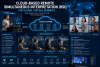
In fully virtual events, interpretation equipment may operate through cloud-based platforms rather than physical transmission systems.
Even in virtual formats, interpreters still require clean source audio, proper monitoring, and stable connections. Interpretation quality remains dependent on professional audio handling.
Integration With Conference Audio Systems
Interpretation equipment depends on clean source audio from conference microphones. Any distortion, feedback, or level fluctuation affects interpreters immediately.
Audio mixing systems must provide dedicated feeds optimized for interpretation rather than general sound reinforcement. Interpretation is not tolerant of compressed or altered audio signals.
Coordination between audio engineers and interpretation teams is essential.
Acoustic and Environmental Considerations
Ambient noise, reverberation, and inconsistent sound levels increase interpreter fatigue and error risk.
Proper microphone technique, directional microphones, and controlled room acoustics improve interpretation outcomes. Environmental control reduces the need for corrective processing.
Ignoring acoustic conditions places undue strain on interpreters and equipment alike.
Accessibility and Inclusion
Interpretation equipment plays a direct role in accessibility. It enables participation by non-native speakers and supports equitable engagement across international audiences.
Clear audio, intuitive device operation, and visible assistance points improve usability. Accessibility is strengthened when interpretation equipment is treated as a core service rather than a special accommodation.
Operational Reliability and Redundancy
Interpretation equipment must operate continuously without interruption. Failures disrupt comprehension immediately and can affect multiple audience segments simultaneously.
Professional setups include backup consoles, spare headsets, redundant transmission paths, and trained technical staff. Live monitoring ensures that issues are addressed before they escalate.
Reliability is achieved through preparation, testing, and contingency planning.
Cost Considerations and Long-Term Value
Interpretation equipment represents a specialized investment. Costs vary based on language count, audience size, and transmission method.
Long-term value comes from reusability, durability, and compatibility with evolving event formats. High-quality systems reduce technical risk and protect event credibility.
Cost should be evaluated against communication effectiveness rather than equipment quantity alone.
Limitations and Appropriate Use
Interpretation equipment is essential for multilingual events but unnecessary for monolingual formats. Overuse introduces complexity without benefit.
Even in multilingual settings, interpretation should be applied strategically. Not all sessions may require translation, depending on audience composition.
Purpose-driven deployment delivers the strongest outcomes.
The Role of Interpretation Equipment in Contemporary Events
Interpretation equipment supports global participation and cross-cultural exchange. It enables events to operate across language boundaries without slowing pace or fragmenting audiences.
Its success is defined by invisibility. When interpretation works well, attendees focus on content rather than technology.
Conclusion
Interpretation equipment is foundational to the success of multilingual events. By enabling real-time language access, it supports inclusion, clarity, and professional credibility across international audiences.
For event professionals, effective interpretation depends on early planning, high-quality equipment, and close coordination between audio and language teams. When deployed responsibly, interpretation equipment allows events to transcend language barriers without compromising experience.
At EventTechnology.org, interpretation equipment is best understood as linguistic infrastructure—quietly enabling understanding, participation, and trust in events where language diversity is not a challenge, but an expectation.