Sponsoring the Metaverse: How Brands Are Monetizing AR Event Filters

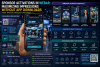
Augmented reality has evolved far beyond novelty social media effects and mobile gaming experiences. In 2026, AR filters have become a significant component of event engagement strategies, enabling organizers, sponsors, exhibitors, and brands to create immersive digital interactions that blend seamlessly with physical environments.
At conferences, trade shows, music festivals, sporting events, brand activations, and hybrid experiences, attendees increasingly interact with digital content through smartphone cameras, smart glasses, and wearable devices. These interactions are generating a new category of sponsorship inventory centered around augmented reality experiences.
What began as simple branded face filters has transformed into sophisticated event engagement platforms capable of delivering measurable advertising impressions, product interactions, virtual merchandise, gamified experiences, and immersive brand storytelling.
For sponsors, AR filters represent a powerful opportunity to monetize attention in environments where traditional advertising formats are becoming less effective. For organizers, they provide a scalable digital asset that extends sponsor visibility beyond physical signage and booth placements.
As the boundaries between physical events and digital experiences continue to blur, AR filters are becoming one of the most valuable components of the emerging event metaverse economy.
The Evolution of Event Sponsorship
Traditional event sponsorship has historically relied on physical visibility.
Common sponsorship assets include:
- Stage branding
- Booth placements
- Banner advertising
- Printed materials
- Lanyards
- Digital screens
- Hospitality areas
While these assets remain valuable, they often provide limited interaction opportunities and relatively passive exposure.
Modern sponsors increasingly seek:
- Measurable engagement
- Interactive experiences
- Audience participation
- Behavioral insights
- Social amplification
AR filters help satisfy these requirements by transforming attendees from passive viewers into active participants.
What Are AR Event Filters?
AR event filters are augmented reality experiences that overlay digital content onto real-world environments through cameras and display devices.
Unlike traditional advertisements, filters create interactive digital layers that attendees can engage with directly.
Common event filter experiences include:
- Branded face effects
- Virtual merchandise
- Product visualizations
- Interactive mascots
- Location-based experiences
- Gamified challenges
- Immersive storytelling elements
- Digital collectibles
These experiences can be accessed through:
- Event applications
- WebAR platforms
- Social media integrations
- Smart glasses
- Interactive kiosks
The result is a sponsorship format that feels more like entertainment than advertising.
Why AR Filters Are Becoming Premium Sponsorship Assets
Several market forces are increasing demand for AR-based sponsorship opportunities.
Higher Engagement Levels
Traditional advertisements are often viewed passively.
AR experiences require active participation.
Attendees may:
- Take photos
- Record videos
- Complete challenges
- Explore products
- Share content
This creates deeper engagement than static sponsorship placements.
User-Generated Content
One of the most powerful aspects of AR filters is their ability to encourage content creation.
Attendees frequently share AR experiences across:
- Social media platforms
- Messaging applications
- Community groups
- Professional networks
This dramatically expands sponsor reach beyond event attendees.
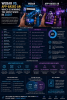
Measurable Interaction Data
Unlike many traditional sponsorship assets, AR systems generate detailed analytics.
Sponsors can track:
- Activation rates
- Usage frequency
- Interaction duration
- Sharing behavior
- Conversion performance
- Geographic engagement
This provides clearer evidence of sponsorship value.
WebAR and the Expansion of Filter-Based Sponsorships
The rapid growth of WebAR is accelerating AR sponsorship adoption.
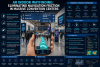
Eliminating App Download Barriers
Historically, many AR experiences required dedicated applications.
Today, browser-based AR allows attendees to launch experiences instantly through:
- QR codes
- NFC tags
- Mobile links
This reduces participation friction significantly.
Increased Accessibility
Because WebAR operates across a wide range of devices, sponsors can reach larger audiences without requiring software installation.
Higher accessibility typically translates into:
- Greater participation
- More impressions
- Increased content sharing
This improves sponsorship ROI.
Faster Campaign Deployment
WebAR experiences can be updated quickly throughout an event.
Sponsors can adjust:
- Messaging
- Promotions
- Product showcases
- Interactive content
without requiring application updates.
Virtual Merchandise and Digital Brand Assets
One of the fastest-growing AR sponsorship opportunities involves virtual merchandise.
Digital Apparel and Accessories
Attendees can unlock branded digital assets such as:
- Virtual clothing
- Digital eyewear
- Animated accessories
- Event-themed collectibles
These items can be displayed in photos, videos, and virtual environments.
Wearable Digital Identity
As digital identity ecosystems expand, branded AR assets increasingly function as status symbols and community identifiers.
Sponsors benefit from ongoing visibility long after the event concludes.
Collectible Experiences
Some events are integrating AR filters with digital ownership systems that reward attendees for completing challenges or engaging with sponsors.
This increases participation while strengthening brand connections.
Gamification as a Revenue Driver
AR filters are increasingly integrated into event gamification systems.
Sponsored Challenges
Brands can create interactive quests that encourage attendees to:
- Visit booths
- Attend sessions
- Explore venues
- Scan products
- Interact with exhibits
Successful participation unlocks rewards, prizes, or digital collectibles.
Location-Based Experiences
Geospatial AR technology allows sponsors to create experiences tied to specific physical locations.
For example, attendees may discover hidden branded content throughout an event venue.
This increases traffic flow and sponsor engagement simultaneously.
Loyalty and Retention Programs
AR interactions can contribute to broader loyalty systems that continue after the event.
Sponsors benefit from extended engagement beyond the event lifecycle.
The Rise of AR Commerce
The line between sponsorship and commerce is becoming increasingly blurred.
Virtual Product Try-Ons
Brands can allow attendees to visualize products through AR before making purchasing decisions.
Applications include:
- Fashion
- Consumer electronics
- Automotive products
- Home furnishings
- Beauty products
This creates highly interactive product discovery experiences.
Instant Purchasing
Many AR platforms now integrate directly with e-commerce systems.
Attendees can move from product visualization to purchase without leaving the experience.
Data-Driven Personalization
AI-powered AR platforms increasingly personalize content based on:
- User behavior
- Interests
- Event activity
- Previous interactions
This improves relevance and conversion rates.
Challenges Facing AR Sponsorship Programs
Despite strong growth, several challenges remain.
Content Development Costs
High-quality AR experiences require:
- 3D modeling
- Animation design
- User experience development
- Testing and optimization
These production requirements can increase campaign costs.
Measurement Standardization
The industry continues working toward consistent AR performance metrics.
Different platforms often measure engagement differently, complicating cross-event comparisons.
Privacy Considerations
AR experiences collect behavioral data that must be managed carefully.
Organizers and sponsors must maintain transparency regarding:
- Data collection
- User consent
- Information storage
- Analytics usage
Strong governance practices are becoming increasingly important.
The Future of AR Sponsorship in the Event Metaverse
Several emerging technologies are expected to accelerate AR sponsorship growth.
These include:
- AI-generated AR experiences
- Smart glasses adoption
- Persistent digital identity systems
- Spatial computing platforms
- Digital collectibles
- Location-aware advertising
- Real-time personalization engines
As these technologies mature, sponsorships will become increasingly immersive, contextual, and measurable.
Rather than interrupting experiences, brands will increasingly become integrated components of the event environment itself.
Conclusion
AR event filters are transforming sponsorship from passive visibility into interactive participation. By enabling attendees to engage directly with branded content through immersive experiences, filters create deeper engagement, stronger social amplification, and richer behavioral insights than many traditional sponsorship formats.
The rise of WebAR, digital collectibles, gamified experiences, and virtual commerce is accelerating this transition. Sponsors are no longer limited to banners and booth graphics. They can now create dynamic digital experiences that travel with attendees across physical venues, social networks, and emerging metaverse ecosystems.
As event technology continues evolving, AR filters are becoming one of the most effective tools for monetizing attention, extending brand reach, and creating measurable engagement within the increasingly connected future of live experiences.