Canadian summer festivals expand programming and production ambitions
Background and context
Summer in Canada continues to be a major testing ground for outdoor live-event formats, with food, comedy, and classical music festivals experimenting with larger footprints, mixed programming, and new audience experiences.
Cities including Edmonton, Ottawa, and others are leaning heavily on festivals to animate downtown cores, activate parks, and draw visitors. For event professionals, these gatherings offer a window into evolving production standards, audience expectations, and the technical demands of multi-day, multi-stage events.
Key announcement
Several established festivals are returning with expanded schedules and upgraded production plans, reflecting both renewed audience demand and a more competitive live-events calendar.
-
Taste of Edmonton is continuing its run as one of Western Canada’s largest outdoor food festivals, combining restaurant vendors with live entertainment on multiple stages. Organizers are emphasizing a condensed event footprint that still accommodates high traffic, along with flexible stage layouts that can support rotating musical acts throughout the day.
-
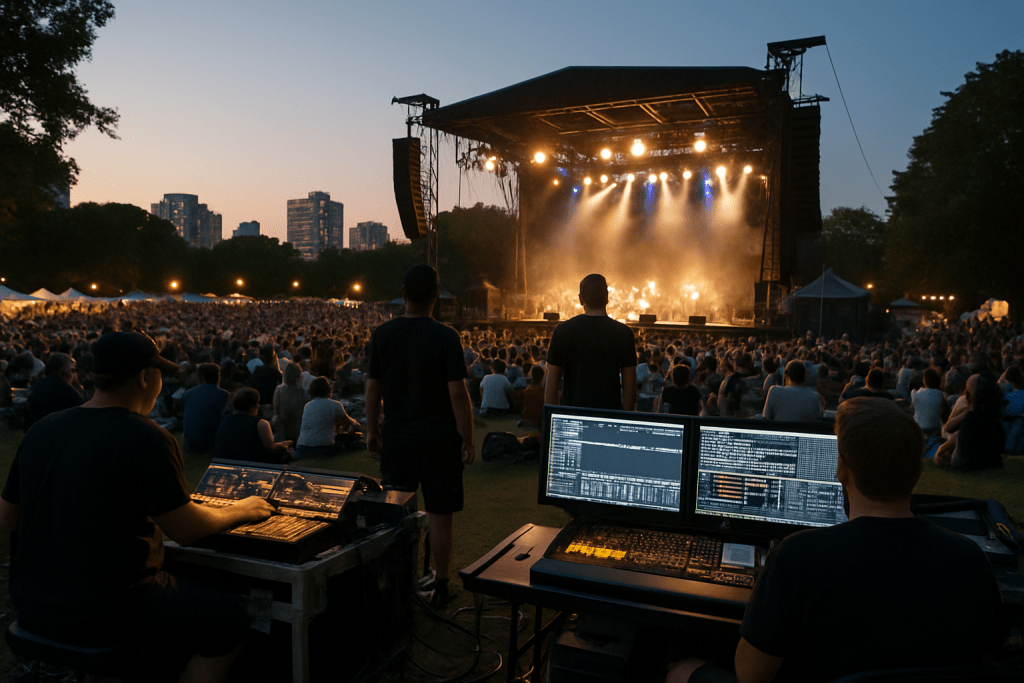
The Great Outdoors Comedy Festival is building on its touring model, staging large-scale open-air comedy shows in Canadian cities. The format requires concert-level staging, full-scale line array audio systems, and lighting rigs designed to support late-evening programming in public parks and open fields.
-
Ottawa’s Music and Beyond Festival continues to mix classical repertoire with cross-genre collaborations in both traditional concert halls and unconventional spaces. This hybrid approach places different demands on acoustics, amplification, and staging, as the program alternates between amplified outdoor performances and more intimate indoor concerts.
Across these events, organizers are working with local production partners to manage sound bleed between stages, power distribution for food vendors and activations, and crowd flow through fenced and ticketed areas.
Industry impact
The current festival slate highlights several ongoing trends shaping the Canadian event market. First, there is clear appetite for outdoor formats that combine entertainment with food and drink, requiring AV teams to design systems that accommodate both live performance and background programming over long operating days.
Second, comedy-led festivals such as the Great Outdoors Comedy Festival underscore the importance of speech intelligibility in large open spaces. Audio design is being prioritized to ensure clear vocal reproduction for audiences spread across wide seating areas, often in variable weather conditions.
Third, programming like Music and Beyond, which moves between venues and disciplines, reinforces the need for adaptable technical packages. Production crews are increasingly asked to shift quickly between acoustic-focused setups and fully amplified outdoor shows within a single festival schedule.
These trends point to a growing reliance on scalable PA systems, modular staging, and networked lighting control, as well as closer coordination with municipal authorities around sound levels and operating hours. More information on festival programming and logistics is typically made available via each organizer’s official channels and event pages.
Why this matters
For event professionals, the combined activity of Taste of Edmonton, the Great Outdoors Comedy Festival, Music and Beyond, and similar projects demonstrates how Canadian organizers are using outdoor environments more ambitiously, while still contending with weather, noise, and infrastructure constraints.
Vendors in audio, lighting, staging, and temporary structures can view these festivals as indicators of where demand is heading: large outdoor sites with multiple content types, longer operating hours, and audiences expecting concert-quality production at food, comedy, and cultural events alike.
Municipal stakeholders and destination marketers are also watching these festivals closely. Strong attendance and smooth operations can support the case for further investment in permanent infrastructure, such as upgraded power access in parks or improved load-in routes near downtown venues, which in turn benefits the wider event ecosystem.
As the 2026 summer season progresses, the performance of these Canadian festivals—artistically, operationally, and financially—will help shape planning decisions for future editions and influence how other markets approach outdoor, multi-genre programming.