Digital Twins for Event Operations: Real-Time Simulation, Planning, and Control in 2026

As event environments grow more complex, organizers require more advanced tools to monitor operations, anticipate disruptions, and coordinate large teams. Conferences, exhibitions, festivals, and hybrid summits now involve intricate logistics that include crowd movement, session scheduling, energy usage, security coordination, transportation planning, and digital platform performance.
In 2026, digital twin technology has become one of the most powerful tools for managing these complexities. A digital twin is a dynamic, data-driven virtual replica of a physical environment that updates continuously using real-time information from sensors, event platforms, and operational systems.
In event operations, digital twins allow planners and production teams to simulate scenarios, monitor venue conditions, and respond to operational challenges with unprecedented precision. Instead of relying solely on static floor plans or manual reports, event teams can observe a living digital model of the event environment as it evolves throughout the event lifecycle.
This article explores how digital twin technology works in event environments, the infrastructure required to support it, and the operational advantages it offers to modern event organizations.
Understanding the Concept of a Digital Twin
A digital twin is a virtual model of a real-world system that continuously receives data from its physical counterpart. This technology has been widely used in industries such as manufacturing, aerospace, and urban planning.
In the context of events, the digital twin represents the venue and all related operational systems, including:
-
room layouts and stage configurations
-
booth placements and exhibitor spaces
-
entry gates and security checkpoints
-
attendee movement patterns
-
environmental conditions such as temperature and lighting
The digital twin continuously updates as new data is received from sensors and event platforms.
This allows event managers to view a live digital representation of the event environment.
Building a Digital Twin of an Event Venue
Creating a digital twin begins with constructing a detailed virtual model of the event venue.
This model typically includes:
-
architectural floor plans
-
structural elements such as walls and corridors
-
seating arrangements
-
stage equipment placement
-
exhibition booth layouts
Advanced modeling techniques such as LiDAR scanning and photogrammetry are often used to capture accurate spatial information.
The resulting digital environment becomes the foundation for simulation and monitoring.
Integrating Real-Time Data Sources
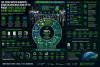
The power of digital twins lies in their ability to integrate real-time data from multiple sources.
Common data inputs include:
-
access control systems tracking attendee entry
-
IoT sensors monitoring environmental conditions
-
wearable badges recording movement patterns
-
mobile application interactions
-
streaming platform analytics for hybrid participation
As these systems generate data, the digital twin updates automatically to reflect the current state of the event environment.
This real-time synchronization allows organizers to monitor operations continuously.
Real-Time Crowd Monitoring
Crowd management is one of the most critical aspects of event operations.
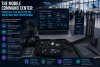
Digital twins can display live heatmaps showing how attendees are distributed across the venue.
Operations teams can quickly identify areas experiencing:
-
overcrowding
-
congestion near entrances or exits
-
long queues at service points
When potential issues appear, teams can deploy solutions such as opening additional entrances, redirecting traffic, or adjusting session room access.
This proactive approach improves both safety and attendee comfort.
Scenario Simulation Before the Event
Digital twins are not only useful during events; they also support planning and simulation before the event begins.
Event planners can use digital twins to test scenarios such as:
-
evacuation routes in emergency situations
-
crowd movement after keynote sessions
-
optimal placement of food and beverage stations
-
booth layout adjustments to improve traffic flow
These simulations allow planners to identify potential problems before they occur.
Supporting Hybrid Event Operations
Digital twins also integrate with hybrid event platforms.
In addition to representing physical spaces, the digital model can include virtual components such as:
-
live streaming session performance
-
virtual attendee participation levels
-
online networking room activity
This unified view allows organizers to manage both in-person and virtual experiences from a single operational dashboard.
Enhancing Production Coordination
Large events involve coordination between multiple teams including audiovisual technicians, stage managers, security personnel, and venue staff.
Digital twin dashboards provide a shared operational interface where each team can monitor relevant systems.
For example:
-
audiovisual teams can track stage equipment status
-
security teams can monitor entry gate activity
-
facilities staff can monitor environmental conditions
Centralized visibility improves communication and reduces response times when adjustments are needed.
Predictive Analytics and AI Integration
Modern digital twins increasingly incorporate artificial intelligence to analyze operational patterns.
AI models can detect trends such as:
-
increasing crowd density in certain areas
-
unusual attendee movement patterns
-
rising network usage on digital platforms
When anomalies appear, the system can alert operations teams or recommend corrective actions.
Predictive insights help prevent disruptions before they affect attendees.
Environmental Monitoring and Sustainability
Digital twins can also support sustainability initiatives.
IoT sensors integrated with the digital model can track:
-
energy consumption across venue zones
-
temperature levels affecting HVAC efficiency
-
lighting usage in different areas
Event planners can use these insights to reduce energy waste and optimize environmental conditions.
This contributes to broader sustainability goals while maintaining attendee comfort.
Infrastructure Requirements for Digital Twin Deployment
Implementing digital twin technology requires robust technical infrastructure.
Key components include:
-
high-resolution venue modeling tools
-
sensor networks for environmental and movement data
-
cloud-based data processing platforms
-
visualization dashboards for operations teams
Reliable network connectivity is essential to ensure continuous data transmission.
Technical teams must also perform calibration and testing before the event to ensure accurate data integration.
Data Privacy and Security Considerations
Because digital twins often incorporate attendee movement data and engagement metrics, privacy protections must be implemented.
Best practices include:
-
anonymizing individual movement data
-
restricting access to sensitive operational dashboards
-
providing transparency about data collection methods
Protecting participant privacy is essential for maintaining trust while using advanced analytics tools.
Measuring the Value of Digital Twins
Organizations adopting digital twin technology often evaluate success through metrics such as:
-
reduced operational incidents
-
improved crowd flow efficiency
-
faster response times to technical issues
-
improved attendee satisfaction scores
These indicators demonstrate how real-time visibility improves event management outcomes.
The Future of Digital Twins in Event Management
As event technology continues evolving, digital twins are expected to become even more sophisticated.
Future capabilities may include:
-
AI-driven autonomous decision-making systems
-
integration with augmented reality operational interfaces
-
predictive modeling of attendee engagement patterns
-
full lifecycle event simulation months before the event occurs
These advancements will further enhance the ability of organizers to manage complex events with precision.
Conclusion
Digital twin technology represents a major advancement in how events are planned, monitored, and optimized. By creating a dynamic virtual representation of the event environment and integrating real-time data from multiple sources, digital twins provide unprecedented operational visibility.
For event organizers managing large venues, hybrid audiences, and complex logistics, digital twins offer a powerful platform for simulation, coordination, and proactive problem-solving.
As event ecosystems become increasingly data-driven, digital twins are likely to become a central component of advanced event technology infrastructure.