Introduction
In the modern event production landscape, precision, safety, and adaptability are the foundation of successful stage designs. Whether for concerts, corporate launches, exhibitions, or festivals, the stage truss system for events has become an essential structural component that ensures not only stability but also visual impact. By integrating modular engineering, advanced materials, and intelligent rigging designs, truss systems have revolutionized how events are conceptualized, constructed, and executed.
This article explores the technical aspects, types, applications, and best practices for implementing stage and truss systems that enable seamless event setups with safety, scalability, and efficiency at the forefront.
Understanding Stage and Truss Systems
A stage truss system refers to the framework of interconnected metal structures—typically made of aluminum or steel—used to support lighting, sound equipment, video walls, banners, and other production elements. The truss serves as both a load-bearing and aesthetic structure, forming the skeleton of an event’s infrastructure.
The stage system, on the other hand, provides the elevated platform that forms the main performance or presentation area. Together, these AV systems create an integrated setup that supports the technical, visual, and functional demands of modern event production.
Key Components of a Truss System:
- Truss Segments: Modular sections that can be connected in linear, triangular, or square configurations.
- Base Plates and Towers: Provide vertical stability and distribute weight evenly.
- Rigging Hardware: Includes clamps, connectors, couplers, and pins to securely attach trusses and equipment.
- Hoists and Motors: Used to lift and adjust truss sections during setup and operation.
- Safety Accessories: Such as safety cables, locking pins, and load-rated connectors.
Materials and Structural Engineering
The choice of materials and structural design is critical for achieving both durability and performance efficiency in stage truss systems. Most professional setups use 6061-T6 or 6082-T6 aluminum alloy, known for its excellent strength-to-weight ratio, corrosion resistance, and ease of assembly.
Technical Advantages of Aluminum Trusses:
- High Load Capacity: Can support heavy lighting fixtures, line arrays, and LED walls without structural deformation.
- Lightweight Design: Reduces transportation costs and simplifies manual handling.
- Corrosion Resistance: Suitable for both indoor and outdoor environments.
- Modular Compatibility: Enables flexible reconfiguration based on venue size and event type.
For exceptionally large-scale installations or permanent structures, steel trusses may be used due to their superior tensile strength and long-term durability. However, steel is heavier and requires more specialized lifting equipment, making aluminum the preferred choice for most temporary and touring applications.
Truss Configurations and Types
Selecting the appropriate truss configuration is crucial for ensuring both functionality and safety. Different types of trusses are designed to accommodate specific load conditions and spatial layouts.
a. Ladder Truss
A simple two-chord structure ideal for lightweight applications such as small signage, exhibition booths, or decorative lighting.
b. Triangular Truss
Provides increased rigidity and is widely used in mobile stage setups and moderate load-bearing environments. The triangular geometry enhances stability against torsional forces.
c. Square Truss (Box Truss)
Offers the highest load capacity and stability among portable truss types. Square trusses are commonly used for overhead grids, PA systems, and large-scale concert stages.
d. Circle and Custom Truss Shapes
Used for specialized designs such as circular lighting rigs, curved video walls, or immersive stage experiences. Custom trusses can be fabricated to meet unique architectural or thematic requirements.
Each configuration supports a distinct range of distributed loads (UDL) and point loads (PL), which must be calculated precisely based on AV equipment weight, spacing, and span length. Engineering calculations and load certifications are essential for compliance with safety regulations and structural integrity.
Click here to learn about Advanced Audio Processors for Clearer, Balanced Sound and Conference Microphones: Wired vs Wireless Solutions.
Integration with Stage Platforms
The seamless integration of the truss system with the stage platform ensures a cohesive and safe structure. Staging systems are typically built using modular decks supported by adjustable legs or risers. These can be combined with truss towers and grid systems to form a unified stage environment.
Key Integration Considerations:
- Load Distribution: The total combined load from equipment, performers, and audience movement should not exceed structural limits.
- Connection Interfaces: Ensure compatibility between truss clamps, stage corners, and tower bases.
- Rigging Alignment: Align truss positions with stage geometry for even weight distribution.
- Cable Management: Implement cable routing audio solutions within truss channels to maintain a clean and safe setup.
Advanced setups often include motorized truss lifts that enable height adjustments and dynamic movement during performances, allowing for more versatile and interactive stage designs.
Applications of Stage Truss Systems
The adaptability of truss systems makes them suitable for diverse applications across various event types:
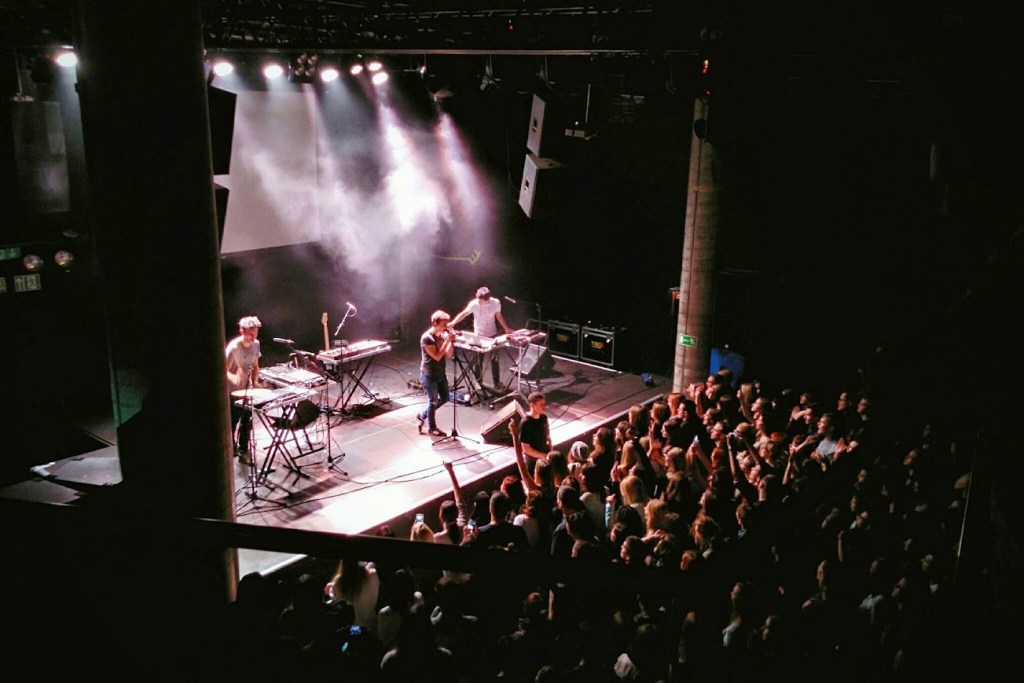
- Concerts and Festivals: Supports lighting grids, sound arrays, LED screens, and pyrotechnic elements.
- Corporate Events: Frames LED walls, branding displays, and architectural lighting features.
- Trade Shows and Exhibitions: Forms booth structures, product displays, and signage mounts.
- Theatrical Productions: Facilitates stage lighting, curtains, and set design transitions.
- Sports and Outdoor Events: Builds temporary roofs, scoreboards, and camera platforms.
Because of their modular nature, truss systems allow production teams to scale setups based on venue size, event scope, and budget constraints without compromising structural reliability.
Safety Standards and Compliance
Safety is non-negotiable in stage engineering. Every truss system must comply with international rigging standards and undergo proper inspection before and during events. Key standards include:
- EN 17115:2019 (Truss and Rigging Structures) – Specifies performance and safety requirements for aluminum and steel trusses.
- DIN 4113 – Governs aluminum structures and welding processes.
- OSHA and ANSI Standards – Outline load limits and fall protection for personnel working at height.
Best Safety Practices:
- Load Testing: Verify truss capacity under simulated loads before installation.
- Regular Inspections: Check weld joints, connectors, and hardware for fatigue or wear.
- Certified Rigging Personnel: Only qualified technicians should handle assembly and hoisting.
- Redundancy Planning: Use secondary safety cables and backup suspension points.
- Weather Monitoring: For outdoor events, monitor wind loads and environmental factors that could impact stability.
Following these guidelines not only protects personnel but also ensures compliance with insurance and venue requirements.
Advancements in Truss Technology
Modern event engineering has introduced several innovations that make truss systems more efficient and adaptable:
- Pre-Rig Trusses: Feature integrated cable management and pre-installed lighting fixtures, reducing setup time.
- Motorized Automation: Enables movement of trusses during shows for dynamic visual effects.
- Carbon Fiber Trusses: Offer ultra-lightweight yet high-strength alternatives for touring productions.
- Smart Load Monitoring: Sensors embedded within trusses provide real-time feedback on structural loads and stress distribution.
- Quick-Connect Systems: Tool-free assembly mechanisms that enhance setup speed and reduce manual labor.
These advancements contribute to faster load-ins, reduced manpower, and improved overall safety.
Designing for Efficiency and Aesthetics
In addition to technical performance, stage truss systems contribute significantly to the visual identity of an event. Designers often use trusses as architectural elements to frame LED screens, define stage boundaries, or create immersive lighting environments.
Design Tips for Seamless Integration:
- Use powder-coated trusses or custom color finishes to match brand aesthetics.
- Incorporate hidden cabling and clean rigging lines for a professional appearance.
- Implement modular symmetry, ensuring balance and proportion across all truss spans.
- Integrate lighting effects directly into truss frameworks to enhance the stage ambiance.
An efficient design approach balances form and function, ensuring that structural engineering supports creative vision.
Logistics, Setup, and Maintenance
A seamless event setup relies on meticulous planning across logistics, transport, and maintenance.
Pre-Event Planning:
- Conduct 3D CAD modeling to simulate truss layouts and identify potential load conflicts.
- Prepare technical drawings and load charts for approval by structural engineers.
- Schedule on-site coordination between the stage, lighting, and sound departments.
During Setup:
- Follow systematic assembly sequences, starting from ground-level sections upward.
- Verify alignment and leveling before securing elevated components.
- Perform load tests once all equipment is rigged.
Post-Event Maintenance:
- Clean truss surfaces to remove dust or moisture.
- Inspect connectors and welds for damage.
- Store truss sections in protective racks to prevent deformation during transport.
Regular maintenance extends the service life of truss components and ensures consistent performance across multiple events.
Shop here for Stage & Truss.
The Future of Event Truss Systems
As events become increasingly immersive and technology-driven, truss systems will continue to evolve toward smart, lightweight, and modular designs. Integration with IoT-based monitoring, AI-driven load prediction, and augmented reality (AR) planning tools is already shaping the next generation of event infrastructure.
Sustainability is another growing focus. Manufacturers are exploring recyclable materials, eco-friendly coatings, and energy-efficient fabrication processes to reduce environmental impact without compromising structural integrity.
In essence, the future of truss systems lies in combining engineering precision with creative flexibility, enabling event producers to execute ambitious designs safely and efficiently.
Click here to learn about Stage & Truss Systems for Seamless Event Setup.
Summary of Stage & Truss Systems
The stage truss system for events represents the backbone of modern event production—balancing engineering rigor with artistic expression. From lightweight aluminum structures to motorized dynamic grids, truss technology provides the structural versatility necessary to support today’s complex event environments.
By adhering to industry standards, employing skilled rigging professionals, and integrating innovative design strategies, event organizers can achieve seamless, safe, and visually stunning setups that leave lasting impressions on audiences.
In a world where every event is an opportunity to create immersive experiences, the right stage and truss system transforms vision into reality—one structure at a time.
YouTube Videos 0n Stage & Truss Systems
Academic References for Stage & Truss Systems
- Large Temporary Structure for Special Event
- A real-time discrete event system specification formalism for seamless real-time software development
- A flexible approach to staged events
- [HTML] Integral sliding of a 800 T steel roof truss for a cultural and art center building
- Development of space truss systems in timber
- [PDF] Exploring The Use Of Architectural Strategies To Enhance Flexibility In International Conference And Exhibition Centers
- Arenas
- [HTML] Navigating the power of artificial intelligence in risk management: a comparative analysis
- [PDF] The coherent architecture of team syntegrity: From small to mega forms
- Physics-Informed Neural Network based Damage Identification for Truss Railroad Bridges