Introduction
In today’s dynamic event landscape, audio quality is no longer just a supporting element — it’s a defining factor that determines engagement, clarity, and the overall success of an event. Whether hosting a global hybrid conference, a high-stakes corporate summit, or a branded virtual experience, professional event audio solutions play a pivotal role in delivering messages effectively and maintaining audience attention across both physical and digital platforms.
The Critical Role of Audio in Event Success
In a live or hybrid environment, audiences interact through multiple sensory channels. While visual production and lighting design enhance the atmosphere, audio is the primary conduit of information. Inadequate sound quality, microphone distortion, or inconsistent volume levels can cause fatigue, confusion, and disengagement.
Effective audio design ensures that every attendee — in-room or remote — experiences the same level of immersion. This means maintaining clarity of speech, accurate tonal balance, and spatial consistency, regardless of the acoustic characteristics of the venue or the digital transmission medium.
Key Components of Professional Event Audio Systems
Delivering flawless sound begins with understanding the technical framework of modern event audio solutions. These systems integrate multiple technologies that collectively provide seamless and consistent results.
1. Microphone Technology
Selecting the right microphones is fundamental. Professional-grade condenser and dynamic microphones are chosen based on event requirements — from handheld options for speakers and moderators to lavalier or headset microphones for presenters needing mobility.
Advanced wireless systems now employ digital RF transmission to minimize interference and latency, which is crucial in multi-room or hybrid broadcast setups.
2. Mixing and Signal Processing
Digital mixing consoles form the heart of the audio system, enabling sound engineers to control equalization, gain structure, dynamics, and routing in real time. For hybrid events, digital signal processors (DSPs) are used to manage multiple audio feeds — ensuring that online participants receive a balanced mix without echo or feedback.
Modern DSP units can also automate volume control and noise suppression using machine learning algorithms, optimizing sound across different input sources.
3. Speaker and PA System Design
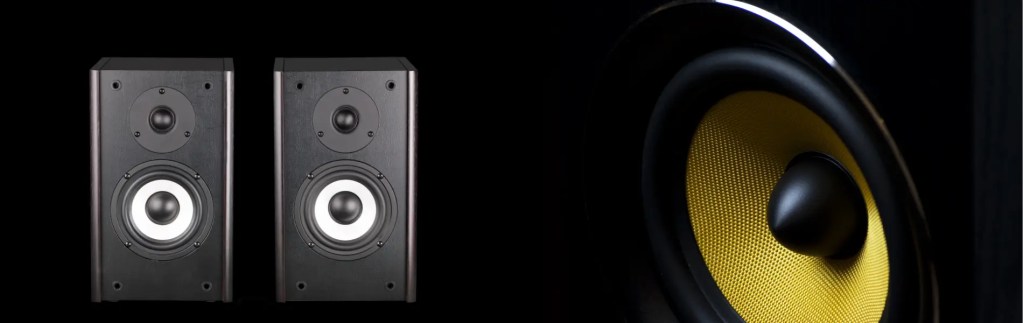
Speaker placement and tuning require acoustic precision. Professional line array systems and distributed loudspeakers ensure uniform sound coverage without hot spots or drop-offs. Engineers often perform room analysis using real-time analyzers (RTA) to measure frequency response and apply corrective equalization.
For corporate environments, discreet ceiling-mounted or column speakers can deliver full-range clarity while preserving the aesthetic integrity of the venue.
4. Monitoring and Communication
For live panels, multiple presenters, or hybrid Q&A sessions, clear stage monitoring and intercom systems are essential. In-ear monitors (IEMs) and stage wedges allow speakers and performers to hear themselves clearly, while technicians rely on wired or wireless comms systems to coordinate transitions, cue sequences, and manage remote audio feeds.
5. Audio Networking and Distribution
Modern event audio infrastructure is increasingly IP-based. Protocols like Dante, AVB, or AES67 enable audio signals to be transmitted digitally over standard Ethernet networks with near-zero latency. This not only simplifies cabling but also allows centralized control and remote troubleshooting — critical in large-scale hybrid events involving multiple breakout rooms or streaming studios.
Click here to learn about Stage & Truss Systems for Seamless Event Setup and Top Audio Mixer Setups for Conferences and Performances.
Audio Considerations for Hybrid Events
Hybrid events introduce additional complexity: synchronizing live and online experiences. Poor integration between the two environments can create disconnects in timing, tone, and interactivity. Achieving parity between audiences requires a deep understanding of audio routing, latency management, and signal synchronization.
1. Capturing Clear Audio for Streaming
Unlike live in-room audio, streaming platforms compress audio data. To counteract this, engineers use dedicated stream mixes optimized for online playback, ensuring speech intelligibility and consistent loudness across various devices.
High-resolution microphones paired with low-latency USB or networked interfaces help maintain fidelity during digital transmission. Audio engineers also apply mastering tools — such as compression and limiting — to maintain consistent output levels without distortion.
2. Feedback and Echo Management
When remote speakers or panelists join via conferencing software, echo cancellation becomes crucial. This is achieved using acoustic echo cancellers (AECs) that remove feedback loops between the PA system and microphone feeds.
Moreover, proper gain staging and virtual sound checks help minimize unwanted resonance and phase issues before the event begins.
3. Redundancy and Failover Systems
In hybrid environments, technical redundancy is essential. Dual audio interfaces, backup power supplies, and mirrored network paths ensure uninterrupted signal flow. Should one system fail, a secondary path takes over seamlessly — preventing dropouts or silence during critical presentations.
Acoustic Design and Venue Optimization
A technically advanced system can still underperform if the venue’s acoustics are not optimized. Hard surfaces, reflective walls, or irregular room geometries can create standing waves and reverberation, muddying speech clarity.
Professional event audio engineers conduct pre-event acoustic assessments to identify problematic frequencies and implement corrective treatments, such as:
- Acoustic panels and diffusers to minimize reflections.
- Directional microphone selection to reduce off-axis noise.
- Subwoofer alignment and phase tuning for even bass distribution.
For multipurpose corporate venues, temporary acoustic modeling can be performed using 3D simulation software to predict how sound interacts with the environment before deployment.
Integrating Audio with Visual and Production Systems
Modern event production is a fusion of multiple AV equipment disciplines. Synchronizing audio with video, lighting, and stage automation ensures cohesive storytelling and a professional-grade experience.
Timecode synchronization (often using SMPTE protocols) aligns audio cues with video transitions, ensuring that visual and auditory elements complement each other perfectly. For large-scale corporate presentations, media servers manage both video playback and audio triggers — allowing seamless transitions and immersive brand storytelling.
In hybrid environments, this integration extends to streaming platforms. Audio processor feeds are often embedded within SDI or NDI video signals, requiring precise synchronization to prevent lip-sync delays between live speakers and online participants.
Sustainability and Future Trends in Event Audio
As corporate sustainability goals evolve, energy-efficient and eco-friendly audio technologies are gaining traction. Class-D amplifiers consume less power while delivering high output, and IP-based distribution reduces the need for extensive copper cabling.
Another growing trend is AI-assisted sound management, where machine learning algorithms adjust EQ and gain automatically based on room acoustics and audience density. Remote management platforms also enable technicians to monitor and adjust systems in real time from any location, reducing on-site manpower and logistical overhead.
In the context of hybrid and virtual collaboration, immersive audio formats such as spatial or binaural sound are being explored to enhance the realism of remote participation. These technologies can replicate the sense of physical presence — allowing online attendees to perceive directionality and depth in a virtual space.
Best Practices for Implementing Event Audio Solutions
To achieve optimal results, organizations should follow a structured approach when deploying professional audio systems for their corporate or hybrid events:
- Conduct Pre-Event Audio Planning – Define audience size, venue layout, and connectivity requirements early in the design phase.
- Perform On-Site Acoustic Testing – Use calibration tools like measurement conference microphones and pink noise generators for precise tuning.
- Create Redundant Audio Paths – Always maintain backup power and failover systems.
- Integrate with IT and Networking Teams – Ensure audio systems coexist smoothly with corporate networks, especially in hybrid or streaming environments.
- Engage Skilled Audio Engineers – Experienced professionals understand how to balance technical precision with creative event design.
When properly implemented, these practices ensure not just technical excellence but also audience satisfaction — turning ordinary presentations into impactful, high-engagement experiences.
Summary of Professional Audio Solutions
In an era where corporate communication is increasingly hybrid and experience-driven, professional event audio solutions are indispensable for delivering clarity, reliability, and impact. They bridge the gap between physical and virtual spaces, transforming sound from a background element into a strategic tool for engagement and brand perception.
From advanced microphone systems to networked audio distribution and intelligent signal processing, today’s technologies empower event organizers to create seamless, immersive environments where every message resonates clearly — no matter where the audience is listening from.
YouTube Videos on Professional Audio Solutions
Academic References for Professional Audio Solutions
- [BOOK] Transitioning to virtual and hybrid events: How to create, adapt, and market an engaging online experience
- From hybrid events to the next generation-interactive virtual events: Viewed from three different stakeholders’ point of view
- Sustainability in business events: How hybrid formats shape attendee decision-making
- [BOOK] Business Events: A Comprehensive Guide
- How to ensure good customer experience in hybrid events
- [PDF] The best of both worlds? A study of how hybrid events can create strong experiences
- Hybrid events and congresses and their impact on the Greek meetings industry
- [PDF] OPTIMAL HYBRID MEETING EXPERI-ENCE IN SOUNDPROOF MEETING PODS
- Strategic Integration of Innovative Technologies: Shaping the Future of Hybrid Events
- [PDF] Hybrid Events: Future Report