Introduction: The Power of Sound and Vision in Modern Events
Table of Contents
ToggleIn 2025, events have become more immersive, dynamic, and technologically driven than ever before. From global conferences and corporate galas to music festivals and hybrid gatherings, the role of Event Audio & AV Systems has evolved into a critical element for creating engaging and unforgettable experiences. Modern audiences expect crystal-clear sound, high-definition visuals, and seamless integration across physical and digital environments.
This article explores the complete spectrum of Audio & AV Systems for Events in 2025, diving into emerging technologies, key components, trends, and best practices that ensure flawless execution — whether it’s an intimate seminar or a large-scale international production.
1. The Evolution of Event Audio & AV Systems
Over the past decade, the event industry has witnessed a technological revolution. Gone are the days of simple PA systems and projectors. Today’s Event Audio & AV Systems combine advanced sound engineering, interactive displays, and cloud-based control to deliver impactful, multisensory experiences.
Some of the major drivers behind this evolution include:
-
Hybrid event demand: The pandemic accelerated the adoption of AV solutions that support both live and virtual audiences.
-
Smart automation: AI-driven systems automatically adjust audio mixer setup and lighting for consistent quality.
-
Immersive technologies: 3D sound, LED walls, and augmented reality (AR) are redefining how audiences interact with events.
-
Sustainability goals: Energy-efficient systems and wireless connectivity reduce environmental impact and setup complexity.
2. Core Components of Modern Event Audio & AV Systems
To design a successful event setup in 2025, it’s essential to understand the fundamental components that make up a professional Event Audio & AV System.
2.1 Audio Systems
a. Microphones and Mixers
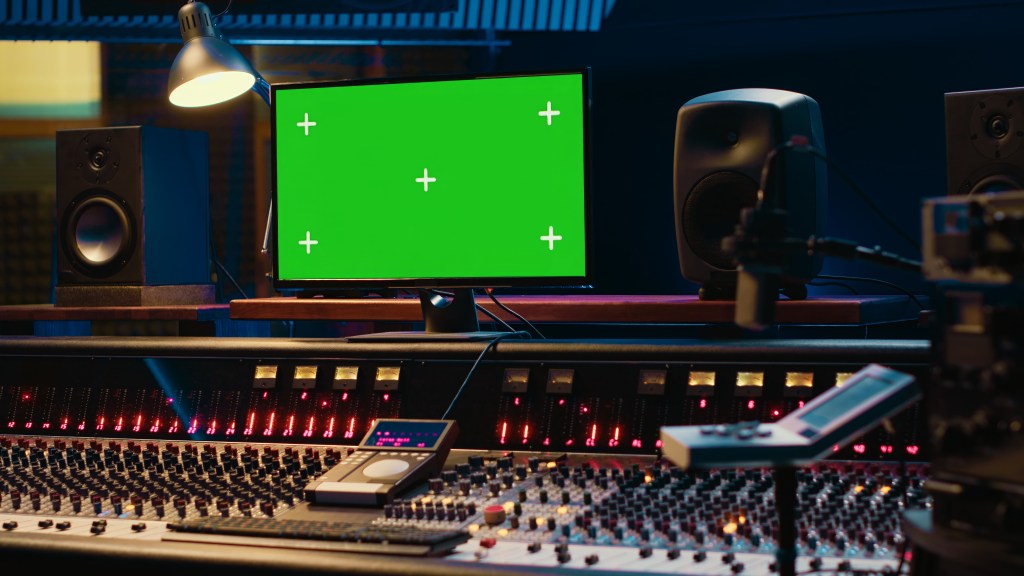
Wireless and smart microphones have become the norm, using AI-driven noise suppression and automatic frequency selection. Digital mixing consoles now feature touch-screen interfaces, cloud storage for presets, and real-time monitoring.
b. Speakers and Amplifiers
Line array speakers, subwoofers, and distributed audio setups ensure even sound coverage across large venues. Compact digital amplifiers offer high output with lower power consumption.
c. Digital Signal Processing (DSP)
Modern DSP units handle equalization, compression, delay alignment, and feedback control automatically — ensuring pristine audio processor quality even in acoustically challenging venues.
2.2 Visual Systems
a. LED and Projection Displays
Ultra-bright LED walls have replaced traditional projectors for most large-scale events. They offer better color accuracy, higher contrast, and modular flexibility. Laser projection systems, however, remain popular for immersive environments and mapping projects.
b. Video Switchers and Scalers
These tools allow seamless switching between multiple video sources — cameras, laptops, and live feeds — without interruption. Scalers adjust resolution and aspect ratios to match screens perfectly.
c. Cameras and Streaming Equipment
With hybrid events now mainstream, PTZ (pan-tilt-zoom) cameras and 4K/8K capture devices are essential for high-quality streaming and recording.
3. Emerging Technologies Transforming Event AV in 2025
Technology is at the heart of every great event. The year 2025 has introduced several innovations shaping the future of Event Audio & AV Systems.
3.1 AI and Automation
AI is streamlining event production. Automated camera tracking follows speakers without operators, while smart algorithms adjust lighting, sound, and visuals dynamically based on audience size and engagement. Predictive diagnostics alert technicians before equipment issues arise.
3.2 Immersive Audio and 3D Sound
Spatial audio solutions such as Dolby Atmos and d&b Soundscape create an enveloping sound field that immerses audiences from every angle. These systems are particularly popular in concerts, brand launches, and experiential marketing events.
3.3 Extended Reality (XR) and Augmented Reality (AR)
Events in 2025 integrate XR stages and AR visuals to blend physical and digital elements. From interactive product demos to immersive storytelling, AR-driven experiences are redefining engagement.
3.4 Wireless and Cloud-Based Control
Technicians can now manage entire AV systems remotely via cloud-based platforms. Wireless connectivity reduces cable clutter, speeds up setup, and enables flexibility in reconfiguring layouts on the fly.
3.5 Sustainable and Energy-Efficient Systems
Manufacturers are prioritizing eco-friendly components — low-power LEDs, recyclable materials, and efficient amplifiers — helping event planners reduce carbon footprints while maintaining high performance.
4. Designing the Perfect Event AV Setup
Creating an effective Event Audio & AV System requires strategic planning and technical expertise. Here’s a step-by-step breakdown:
Step 1: Understand the Event Objectives
Identify the event type — corporate conference microphones, concert, exhibition, or hybrid event — and the desired audience experience. This determines the scale and complexity of your AV setup.
Step 2: Venue Assessment
Analyze the venue’s acoustics, lighting, and available infrastructure. A site inspection helps identify echo zones, power supply limitations, and cable routing paths.
Step 3: Equipment Selection
Choose reliable, scalable, and modern AV equipment. For example:
-
Compact line arrays for indoor venues
-
Wireless microphones for flexibility
-
LED video walls for visual impact
-
DSP units for sound clarity
Step 4: Integration and Testing
Integrate all systems — audio, video, and lighting — using digital control protocols such as Dante or AV-over-IP. Conduct multiple rehearsals to ensure synchronization and reliability.
Step 5: Live Monitoring and Support
During the event, AV technicians continuously monitor signal integrity and make real-time adjustments to ensure uninterrupted performance.
5. Hybrid and Virtual Event AV Innovations
In 2025, the line between physical and digital events continues to blur. Event Audio & AV Systems now include advanced hybrid features such as:
-
Virtual stage and truss design: Combining real presenters with digital backdrops through XR technology.
-
Multi-platform streaming: Broadcasting to YouTube, LinkedIn Live, and private portals simultaneously.
-
Audience interactivity tools: Real-time polls, virtual applause, and two-way communication via apps.
-
On-demand content: Cloud-based recording and instant post-event access for attendees.
These innovations ensure that audiences — whether attending in person or online — enjoy a consistent, high-quality experience.
6. Event Audio & AV System Trends to Watch in 2025
-
5G-Powered Streaming: Ultra-low latency enables high-quality real-time broadcasting.
-
AI-Based Event Analytics: AV systems track audience engagement and provide actionable insights.
-
Voice-Controlled Interfaces: Hands-free control for lighting and audio adjustments.
-
Micro-LED Displays: Ultra-thin, modular panels for crystal-clear visuals.
-
Acoustic Simulation Software: Predicts and optimizes sound distribution for any venue.
7. Choosing the Right AV Partner
Selecting the right AV supplier or partner is crucial for success. Consider these factors:
-
Experience and portfolio in similar event types.
-
Technical expertise in integrating advanced systems.
-
Equipment inventory — ensuring access to cutting-edge gear.
-
24/7 on-site support for troubleshooting during live events.
-
Sustainability practices to align with green initiatives.
A reliable partner ensures your event runs smoothly from setup to pack-down, delivering professional-quality audio and visuals every time.
8. The Future of Event Audio & AV Systems
Looking ahead, the future of Event Audio & AV Systems will continue to emphasize interactivity, sustainability, and AI-driven optimization. We can expect:
-
Fully autonomous event setups with minimal human intervention.
-
Real-time 3D sound mapping tailored to each attendee’s position.
-
Integration with wearable devices for personalized experiences.
-
Advanced holographic projections for speakers and performers.
These innovations will redefine what it means to host an “immersive event,” bridging the gap between technology and human connection.
Summary of Complete Audio & AV Systems
In 2025, success in the event industry depends on how effectively organizers use technology to engage, inspire, and connect with audiences. High-quality Event Audio & AV Systems are not just technical necessities — they are the backbone of impactful storytelling, brand communication, and audience immersion.
By combining advanced equipment, innovative design, and professional expertise, event planners can transform ordinary gatherings into extraordinary experiences that resonate long after the lights go out.