The unseen pressures shaping modern event production work
Background and context
From conferences and brand activations to festivals and galas, the events sector is often portrayed as a high-energy, glamorous corner of the experience economy. Public attention tends to focus on finished stages, packed rooms and polished guest experiences.
Behind those moments, however, event professionals describe a very different reality: one defined by emotional swings, invisible preparation, and rapid decision-making that rarely appears in highlight reels or job descriptions.
As demand for live and hybrid events returns and grows, these less visible aspects of the job are becoming more central to conversations about career sustainability, staffing and technology choices across the industry.
Key announcement
Recent discussions among planners, producers and technical teams have surfaced a recurring theme: many core pressures of event work are not fully acknowledged or addressed in training, recruitment or client expectations.
Professionals point to several areas that often catch newcomers off guard:
- Emotional volatility: The work frequently involves rapid shifts between high-stress problem-solving, intense client interactions and sudden downtime once an event ends. Some describe this as a form of “emotional whiplash” that can be hard to manage over repeated projects.
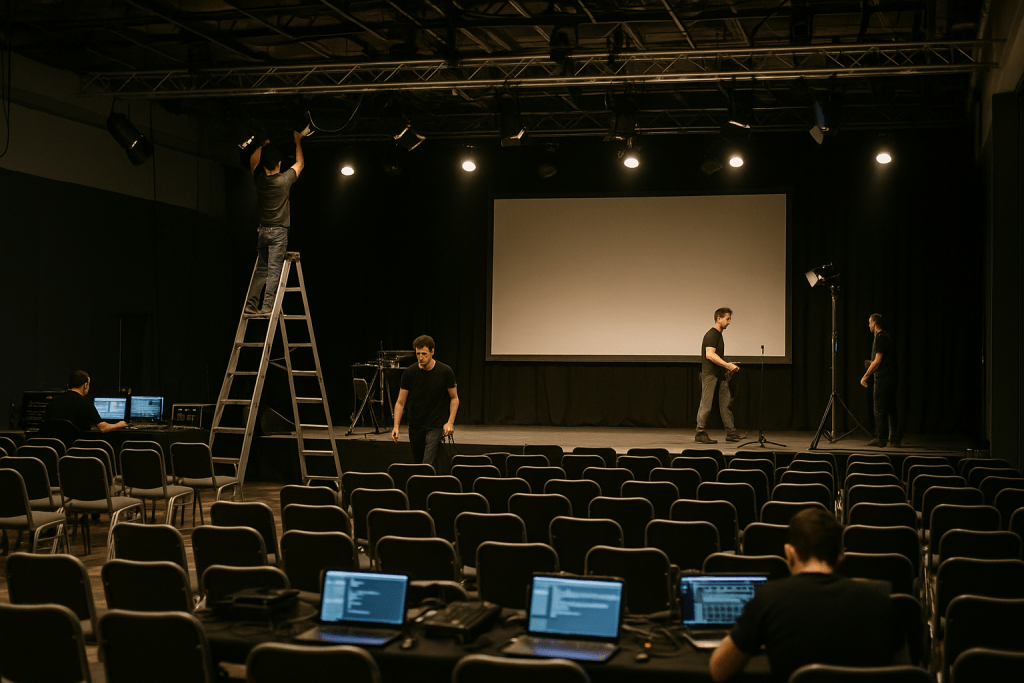
- Invisible labor: Many hours of logistics, coordination and contingency planning are rarely seen by clients or attendees. This behind-the-scenes work can make it difficult to communicate true project scope or justify fees.
- Last-minute improvisation: Even meticulously planned shows often require on-the-spot changes due to weather, technical issues, talent schedules or client requests. Teams are expected to adapt quickly while maintaining a seamless experience for audiences.
- Informal decision-making: In fast-moving production environments, choices are sometimes made based on experience, instinct or the overall “feel” of a space rather than lengthy analysis. While this can be effective, it can also introduce risk and confusion if roles and authority are unclear.
These factors, once considered just part of the job, are now being discussed more openly as the sector looks at retention, burnout and the future of live experiences.
Industry impact
The gap between public perception and day-to-day reality has practical implications for how event teams are staffed, managed and supported. It influences everything from contract language and budgeting to mental health resources and technology adoption.
Vendors and technical providers have started to frame their tools not only around features, but also around reducing last-minute stress and making behind-the-scenes work more visible. For example, workflow platforms, collaboration tools and production management software increasingly aim to document decisions, timelines and responsibilities in a way that can be shared with clients and stakeholders.
Manufacturers and service providers in AV, staging and production are also positioning training and support as part of the solution. Clearer documentation, remote assistance and more intuitive interfaces are pitched as ways to lower the cognitive load on crews during showtime.
Industry resources, including educational content and best-practice guides hosted on manufacturers’ official websites, are becoming more focused on real-world production pressures rather than purely technical specifications.
Why this matters
As live events continue to compete with digital experiences, the sector’s ability to deliver reliable, engaging productions depends heavily on the people running them. Understanding the emotional and operational demands of event work is increasingly seen as essential for sustainable growth.
For employers and clients, acknowledging these hidden pressures can inform more realistic timelines, budgets and expectations. For technology developers and AV partners, it highlights opportunities to design tools that address not just technical challenges, but also the human factors driving on-site decisions.
Ultimately, bringing these realities into the open may help the industry improve retention, support new talent and create working conditions that match the professionalism and complexity required to deliver modern events.