Uber expands ‘party’ mobility concept across major cultural events
Background and context
Ride-hailing platform Uber has been steadily increasing its presence at large-scale cultural and entertainment events, using these gatherings as a testing ground for new forms of audience engagement. What began as straightforward transport solutions for getting attendees to and from venues has evolved into more immersive, party-themed activations designed to sit alongside traditional event programming.
This shift reflects a broader move within the live events and experiential marketing sectors, where infrastructure services such as mobility, ticketing, and accommodation are becoming part of the attendee experience itself. Rather than operating only in the background, transport providers are experimenting with on-site touchpoints that align more closely with festival and nightlife culture.
Key announcement
Uber has expanded its “party” franchise concept to a number of major cultural events, positioning the brand not only as a transportation option but as an integrated part of the social experience surrounding those gatherings. While details vary by market and event, the franchise generally combines app-based ride access with themed areas, interactive elements, and curated nightlife-style environments.
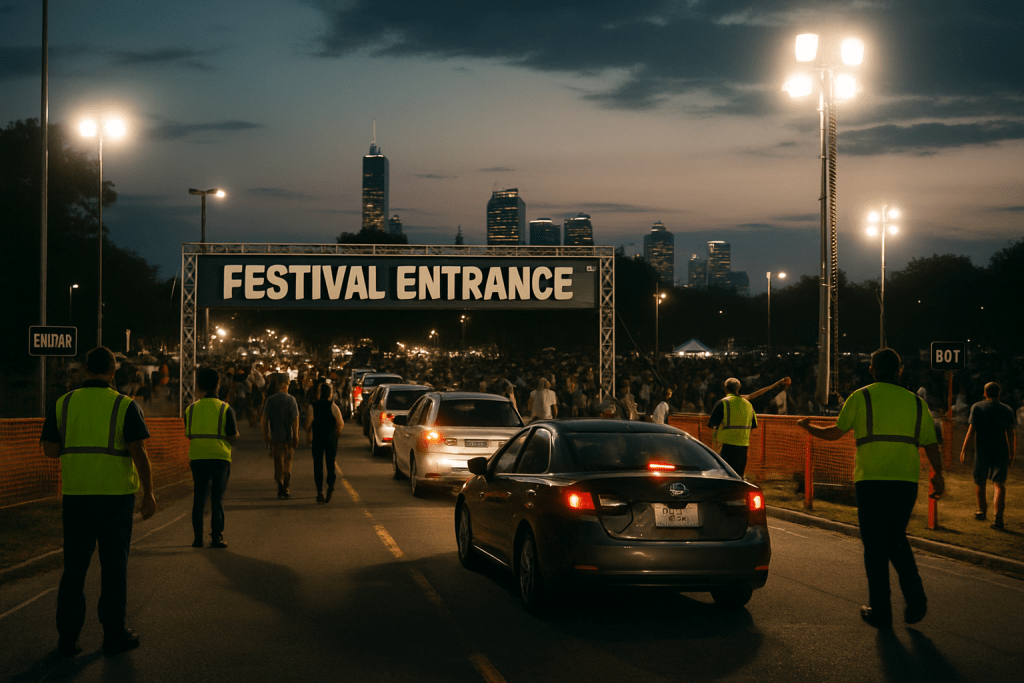
These activations typically appear at or near high-profile festivals, citywide celebrations, and other mass gatherings, offering attendees a dedicated zone associated with pre- and post-event socializing. The installations are designed to connect seamlessly with Uber’s core services, encouraging attendees to book rides to and from the venue while engaging with entertainment or hospitality features on-site.
According to information shared by the company, the approach allows Uber to extend its party concept from isolated pilots into a recognizable format that can be adapted for different cities and event profiles. The initiative also serves as an ongoing test bed for how mobility services can support, and potentially enhance, live event ecosystems. More about Uber’s broader service portfolio is available on its official website at uber.com.
Industry impact
For event organizers, Uber’s party franchise signals growing interest from mobility providers in deeper, more visible participation within live experiences. Instead of functioning purely as an off-site transport layer, ride-hailing brands are seeking on-site real estate and programming that can influence attendee flows and dwell time.
This could have several practical implications:
- New partnership models between festivals, venues, and mobility platforms, where transportation is bundled with experiential zones or hospitality offerings.
- Additional branded spaces that may complement or compete with traditional sponsors and beverage or lifestyle partners.
- Data-driven opportunities to better understand how attendees move before, during, and after events, informing both transport planning and site design.
As more cities impose regulations around congestion and late-night activity, such integrations may also influence how urban authorities view the role of ride-hailing at large gatherings.
Why this matters
For the event technology and production community, Uber’s expansion into party-branded environments illustrates how infrastructure services are becoming part of the creative conversation. Mobility partners are now potential collaborators in shaping the attendee journey, from the first app interaction to the final ride home.
Production teams may need to account for these zones in site layouts, power distribution, and crowd management plans, while marketers consider them as additional touchpoints for content, sponsorship, or cross-promotion. The move also highlights an ongoing trend: audiences increasingly expect seamless connections between digital platforms and on-the-ground experiences.
As Uber and similar providers continue to refine these formats at major cultural events, their experiments are likely to influence how transportation, branding, and experiential design intersect across the wider live events landscape.