IBM extends AI capabilities into live sports and experiential environments
Background and context
IBM, long known for its enterprise computing and artificial intelligence platforms, is moving more deliberately into the experiential and live events sector. The company is applying its AI, cloud, and data analytics tools to sports environments and on-site fan experiences, an area where leagues, venues, and sponsors are looking for deeper engagement and measurable outcomes.
Sports has become a key proving ground for experiential technology, combining broadcast, in-venue production, digital content, and fan interaction. For technology providers, it offers a controlled but high-profile setting to test tools that can later be adapted to conferences, festivals, and branded activations.
Key announcement
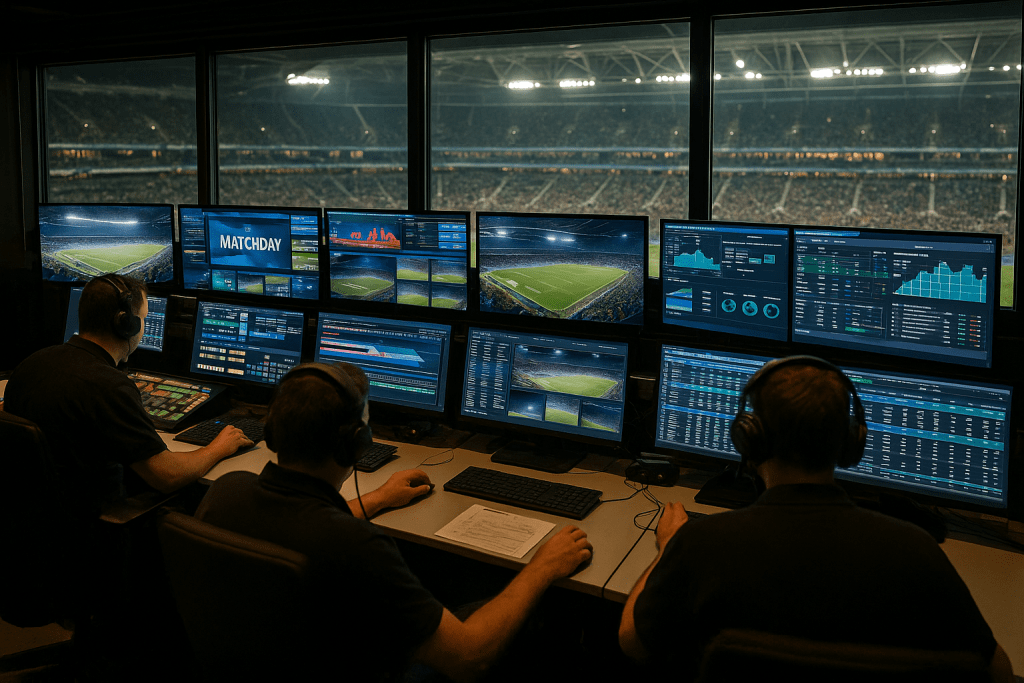
IBM is positioning its AI and data platforms as a foundation for new kinds of in-person and hybrid sports experiences. While the company has a long history in sports partnerships, its current focus emphasizes using AI to analyze real-time data, generate tailored content, and support more personalized touchpoints for attendees and viewers.
In practice, this can include AI-driven insights during live games, automated content highlights, and data-fed interfaces that adapt to individual fan preferences. IBM’s tools aim to help organizers and rights holders better understand audience behavior across channels—on-site, on broadcast, and online—and to use that information to refine how experiences are designed and delivered.
The company describes this push as part of a broader strategy to bring enterprise-grade AI into consumer-facing environments, using sports as a visible showcase for its capabilities. Details on specific deployments vary by partnership, but the common thread is the use of AI to turn large volumes of live event data into actionable information for both producers and audiences.
Industry impact
For the event technology sector, IBM’s expansion underscores a continuing trend: large enterprise vendors are increasingly active in experiential and live production workflows. Their presence could influence expectations around data integration, scalability, and reliability in sports and other large-format events.
Vendors and agencies already working in fan engagement, immersive experiences, and live content production may see more demand for solutions that can interface with AI platforms and analytics tools. At the same time, IBM’s profile and existing relationships with major organizations could accelerate adoption of AI-driven features—such as personalized highlights, predictive insights, and adaptive digital signage—within stadiums and broadcast environments.
- Rights holders may gain new ways to package and monetize data-informed content.
- Production teams could use AI outputs to guide storytelling and real-time graphics.
- Event organizers might access more precise reporting on fan behavior and engagement.
Why this matters
As live events compete with at-home viewing and on-demand entertainment, organizers are under pressure to make in-person experiences more distinctive and measurable. IBM’s move into this space highlights how AI and data platforms are being treated not only as back-office tools, but as visible parts of the audience experience.
For event professionals, the development suggests that future projects—whether in sports, corporate events, or brand activations—may involve closer collaboration with enterprise technology providers. Understanding how AI models, data pipelines, and real-time analytics can be integrated into show control, content workflows, and fan-facing applications will likely become more important.
More information on IBM’s AI and experiential initiatives can be found on the company’s official site at ibm.com, where it outlines how its platforms are being used in sports and other live environments. As these deployments mature, they will serve as reference points for how large-scale, data-rich experiences can be built and scaled across the wider event technology landscape.