US event industry developments: Leadership changes, venue upgrades, and new festival plans
Background and context
The US events sector continues to adjust to changing market demands, with destinations, venues, and festival organizers making strategic moves to attract planners and attendees. Recent developments highlight how cities and operators are investing in leadership, infrastructure, and large-scale programming to remain competitive.
From new leadership at a key Texas destination marketing organization, to a significant hotel renovation in downtown Los Angeles, and evolving plans around a major music festival, these updates reflect broader shifts in how in-person events are being designed and delivered.
Key announcement
In El Paso, Texas, Destination El Paso has appointed a new chief executive officer to oversee the city’s tourism, convention, and events strategy. The CEO will be responsible for promoting El Paso as a meeting and event destination, managing convention center activity, and coordinating citywide programming aimed at both business and leisure travelers.
This leadership change comes as second-tier and regional US markets work to differentiate themselves from larger hubs. For event planners, stability and clear direction at local destination organizations can be a factor when evaluating host cities, especially for conferences, trade shows, and citywide events.
On the West Coast, a major hotel property in downtown Los Angeles has begun or completed a renovation designed to improve its appeal for meetings and events. Upgrades are understood to include refreshed guest rooms, updated public areas, and enhancements to meeting spaces and event technology infrastructure. The project aims to better serve corporate meetings, association gatherings, and entertainment-related events that rely heavily on LA’s central business and cultural districts.
Meanwhile, organizers of the GoldenSky Music Festival have shared updated plans for the event’s upcoming edition. The festival, which targets country music fans and regional attendees, is positioning itself as part of the broader live events and music festival circuit in the US. Adjustments to dates, lineups, or on-site experiences are being communicated to align with audience expectations and operational realities.
Industry impact
These developments underscore several themes that continue to shape the US event landscape:
- Destination leadership as a planning factor: New executive leadership at organizations like Destination El Paso can influence how a city packages its venues, hospitality options, and local experiences for meeting planners.
- Venue modernization in urban cores: Ongoing investment in downtown hotel renovations signals that cities such as Los Angeles are focused on keeping their properties competitive for hybrid and tech-enabled events, with improved infrastructure for connectivity, production, and guest comfort.
- Festival programming and diversification: Events like the GoldenSky Music Festival contribute to regional tourism and help diversify the event calendar beyond business and convention traffic, offering additional opportunities for vendors, production crews, and local economies.
For more details on the specific venues and destination initiatives mentioned, planners can refer to the respective destination and hotel websites, as well as official event pages such as the GoldenSky Music Festival information hub.
Why this matters
For event professionals, these updates are relevant on several levels. New leadership at a destination organization can lead to changes in incentive packages, marketing priorities, and how local partners—such as convention centers, hotels, and cultural venues—are coordinated. This may open new opportunities for site visits, co-marketing, or customized citywide support.
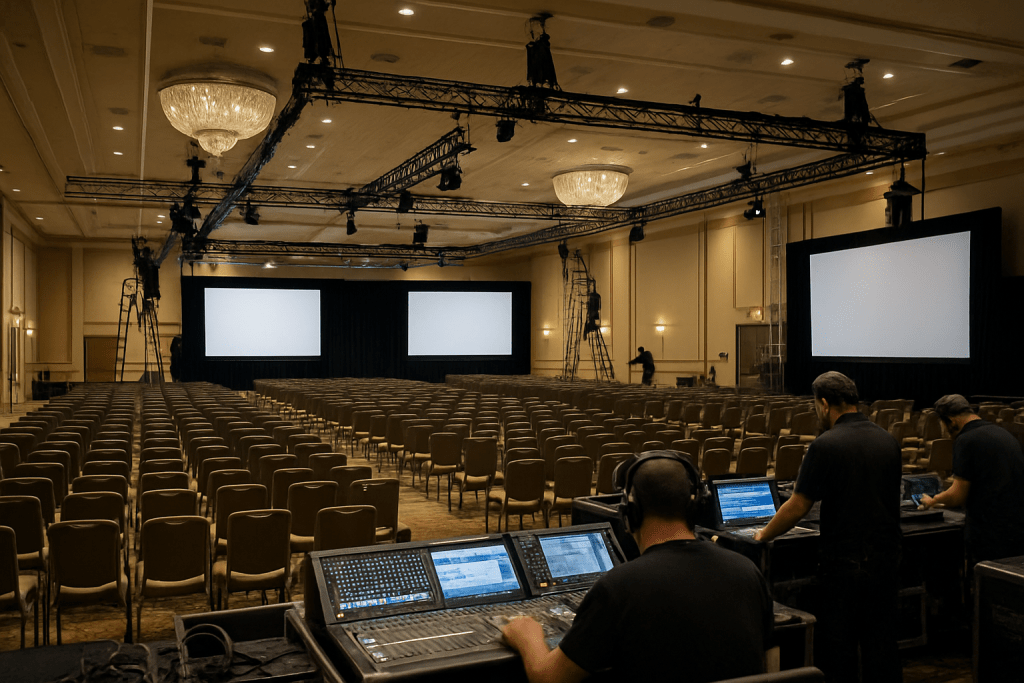
Renovated properties in major markets like downtown Los Angeles can shift the competitive landscape for large meetings and conferences. Upgraded ballrooms, breakout rooms, and built-in AV capabilities can reduce the need for extensive temporary infrastructure, while improved networking spaces can influence program design.
At the same time, the evolution of music festivals like GoldenSky highlights the ongoing demand for live experiences and the importance of operational resilience. For suppliers and production teams, such festivals continue to be testing grounds for crowd management, staging, audio, and attendee experience technologies.
Taken together, these changes suggest that US destinations and event operators are continuing to realign their offerings around flexibility, technology readiness, and differentiated experiences—factors that will remain central for planners assessing where and how to stage future events.