Destination resorts redefine expectations for conferences
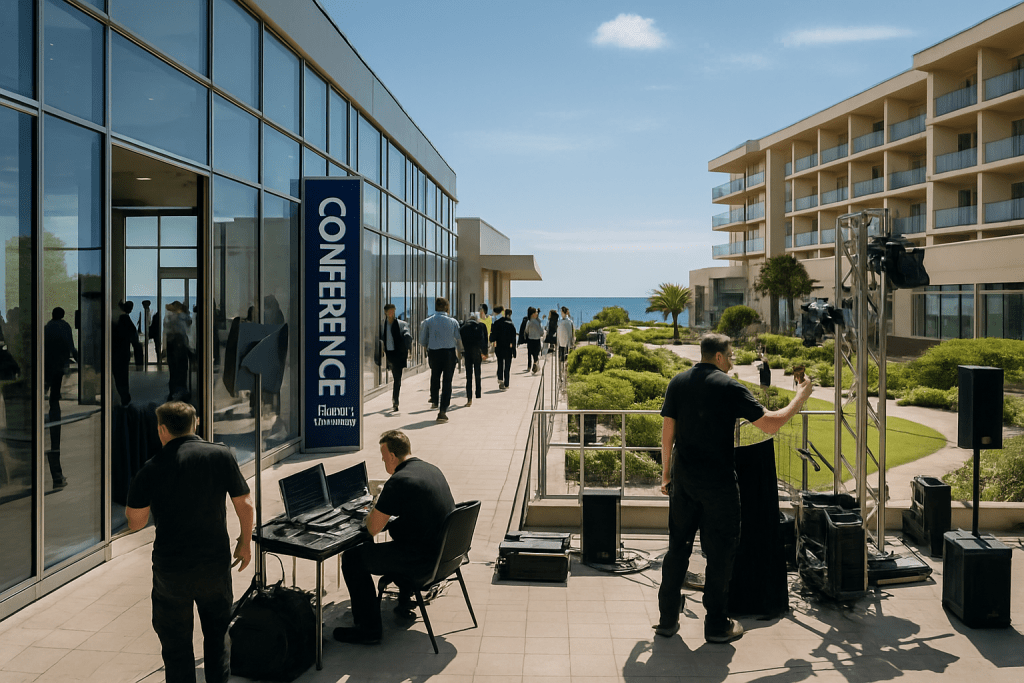
Conference organisers are increasingly looking beyond traditional city-centre hotels and standalone convention centres, turning instead to destination resorts that can deliver a wider mix of experiences in a single location. As expectations rise around delegate experience, sustainability and hybrid formats, these self-contained venues are positioning themselves as an alternative blueprint for future business events.
Rather than simply providing meeting rooms and catering, destination resorts now compete by combining large-scale event infrastructure with leisure facilities, outdoor spaces, local cultural experiences and advanced technology. This shift is prompting many planners to reassess what they require from a host venue and how they design multi-day programmes for delegates who expect more than a standard conference agenda.
Changing expectations in the conference market
Corporate and association buyers are under increasing pressure to justify the time and cost of bringing people together in person. As a result, they are seeking venues that help deliver stronger engagement, deeper networking and memorable experiences that cannot be replicated online.
At the same time, attendee expectations have evolved. Delegates now compare conferences not only with other business events, but with leisure travel and hospitality experiences. They expect high-quality food and beverage, wellness options, opportunities to explore the destination, and digital connectivity that supports both content delivery and social sharing.
Hybrid and virtual elements remain part of the mix for many organisers, but when they do commit to in-person gatherings, they increasingly want venues that can support complex production requirements, offer flexible layouts and provide distinctive settings for both formal sessions and informal interactions.
How destination resorts are responding
Destination resorts are responding to these demands by promoting an integrated offer that combines event infrastructure, accommodation and on-site experiences. Many feature large ballrooms, configurable meeting rooms and outdoor spaces that can be adapted for plenary sessions, breakouts, exhibitions and social programmes within a single property.
This concentration of facilities allows organisers to keep attendees on-site for the duration of the event, reducing logistical complexity and transfer times between venues. It also enables tighter control over the delegate journey, from check-in and content delivery to networking activities and leisure time.
In response to demand for more sustainable events, a number of resort operators are highlighting on-site energy management, waste reduction, local sourcing of food and integration with the surrounding environment. Access to nature and outdoor areas is being used both to support wellbeing programming and to create alternative spaces for meetings, team building and brand activations.
On the technology side, destination resorts are investing in robust connectivity, integrated AV infrastructure and in-house technical teams that can support livestreaming, recording and hybrid participation. This allows organisers to reach remote audiences without relying entirely on external suppliers, while maintaining broadcast-level production values on site.
Industry impact and operational considerations
The growing appeal of destination resorts is influencing how agencies and in-house event teams approach site selection and programme design. Where previously location might have been driven primarily by proximity to a major transport hub or city centre, many planners are now weighing the value of a self-contained environment that supports more immersive, multi-day formats.
For the event supply chain, this trend can change the mix of partners involved. Resort-based events may rely more heavily on the venue’s in-house catering, AV and production capabilities, while still leaving space for specialist agencies and technology providers to deliver bespoke elements such as apps, registration platforms and engagement tools.
However, the model is not without challenges. Destination resorts may require longer transfers from major airports or rail links, which can impact accessibility and travel-related emissions. Capacity constraints can also limit suitability for very large conferences, particularly those requiring extensive exhibition space or accommodation across multiple price points.
Cost structures may differ from those of urban convention centres, with package-based pricing or minimum spend commitments that need to be carefully evaluated against budget and ROI requirements. Planners must also consider local infrastructure, such as healthcare and transport, especially for international or high-profile events that demand detailed risk management plans.
What this means for event professionals and technology providers
For event professionals, the rise of destination resorts as conference venues offers both opportunities and new planning considerations:
- Programme design: The ability to use varied indoor and outdoor spaces encourages more creative agendas, blending plenary content with experiential elements, wellness activities and informal networking.
- Delegate experience: On-site accommodation and amenities can improve convenience for attendees, reduce logistical friction and support higher engagement with the event content.
- Data and connectivity: Centralised infrastructure can simplify deployment of event apps, access control, audience response systems and analytics tools, provided the resort’s network is suitably robust.
- Sustainability planning: Resorts that can demonstrate credible sustainability practices may help organisers align with corporate ESG commitments, though this must be balanced against travel distances and transport emissions.
For technology vendors, the trend creates openings to collaborate more closely with resort operators. There is growing scope to integrate platforms for registration, on-site check-in, digital signage, wayfinding, hybrid streaming and content capture directly into the venue environment. Partnerships that allow for repeatable, pre-configured solutions can reduce setup time and complexity for recurring events.
Outlook for the conference venue landscape
The move from a “one-size-fits-all” conference model toward more comprehensive destination experiences reflects broader changes in how organisations view business events. As meetings, incentives, conferences and exhibitions continue to evolve, destination resorts are carving out a clearer role, particularly for programmes where immersion, networking and extended stays are central objectives.
Traditional conference centres and urban hotels are responding with their own innovations, from upgraded technology and flexible layouts to partnerships with local cultural and leisure providers. The result is a more competitive venue landscape in which differentiation increasingly hinges on the ability to offer a cohesive, experience-led environment that aligns with modern attendee expectations.
While not suitable for every event, destination resorts are likely to remain a prominent option for planners seeking to combine scale, integrated services and a distinctive sense of place. As organisations refine their event portfolios in the coming years, these venues will remain part of strategic conversations about where and how to bring people together for high-impact in-person experiences.