Searcys and Laurent-Perrier launch events chef innovation contest
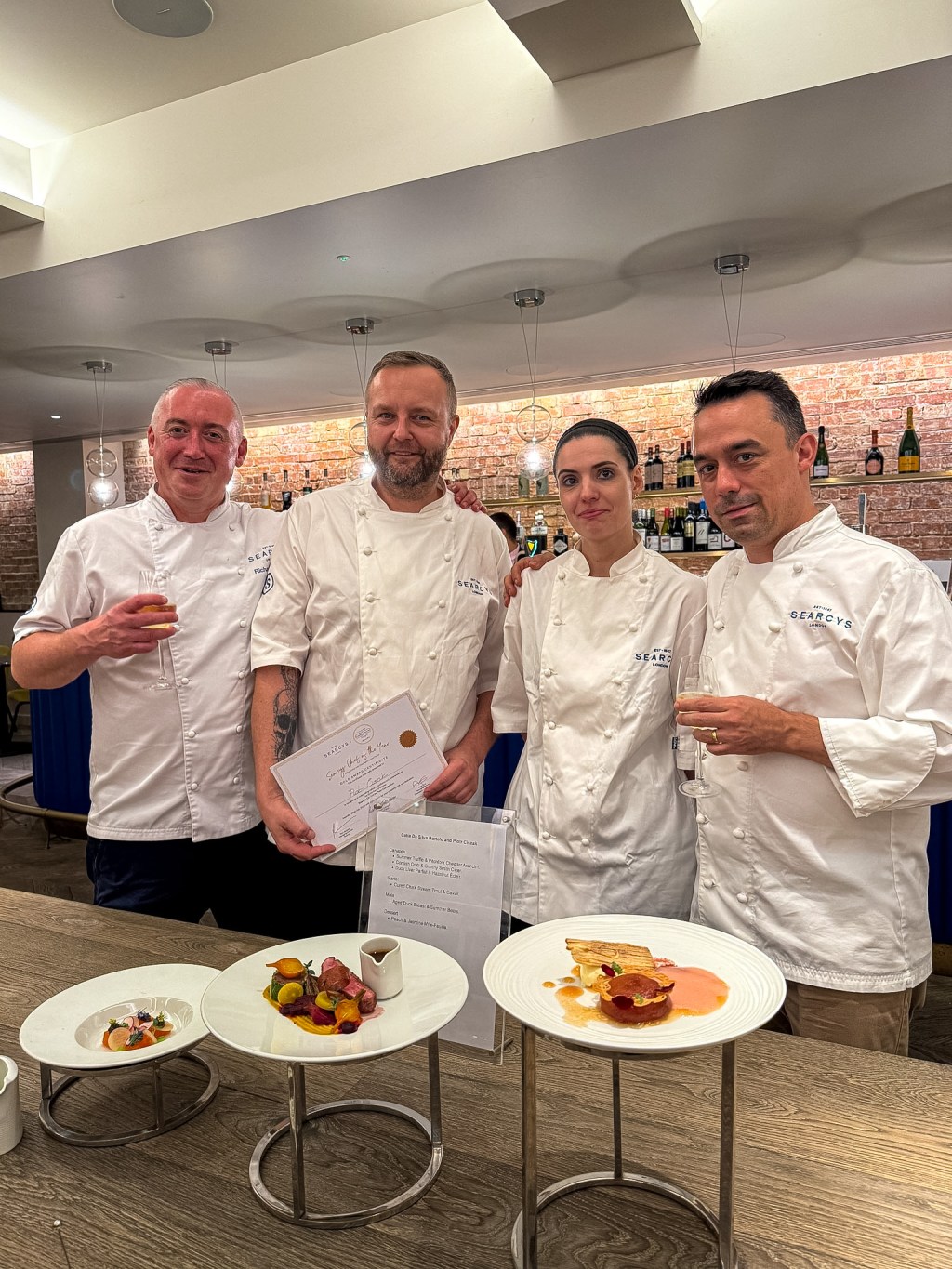
Searcys has launched a new Chef of the Year competition in collaboration with Champagne house Laurent-Perrier, aiming to elevate culinary standards and creativity across its portfolio of event and hospitality venues. The initiative focuses on menu development and Champagne pairings tailored for conferences, corporate functions and private events.
The competition calls on chef teams from Searcys sites to design and execute menus that demonstrate innovation, strong technical foundations and thoughtful beverage matching, with Laurent-Perrier cuvées as a central component. The programme is positioned as both a talent showcase and a structured way to refresh the group’s food and beverage (F&B) offering for event clients.
Background and industry context
Food and beverage has become a key differentiator in the events and venue sector, as organisers look to create more memorable, experiential programmes for delegates and guests. Corporate buyers increasingly assess venues not just on location and AV infrastructure but on the originality, quality and sustainability of their menus.
At the same time, many hospitality and venue operators are using internal competitions and development programmes to retain culinary talent and encourage collaboration between kitchens. For groups with multiple event spaces, these initiatives can help harmonise standards while still allowing for local menu signatures tailored to different audiences and event formats.
Partnerships between venue operators and premium beverage brands are also becoming more common, particularly where there is a focus on curated pairing menus, tasting experiences, or VIP hospitality. Aligning chef development with a beverage partner allows operators to offer more coherent, themed experiences for clients, from gala dinners and awards nights to product launches and networking receptions.
Key developments in the Searcys programme
The newly announced Chef of the Year competition is being framed as a group-wide initiative, open to chef brigades from Searcys-managed venues. Teams are tasked with designing event-ready menus that highlight seasonal ingredients, technical skill and a strong understanding of flavour balance when paired with Laurent-Perrier Champagne.
The competition focuses on:
- Menu innovation for events: Chefs are expected to create dishes that can be delivered at scale for conferences, banquets and receptions, while maintaining high presentation and consistency.
- Champagne pairing expertise: Each course must be matched with specific Laurent-Perrier cuvées, encouraging chefs to integrate beverage pairing into the core of menu design rather than treating it as an add-on.
- Technical excellence: Judging criteria emphasise cooking skill, efficient service methods and the ability to reproduce dishes reliably in event conditions.
- Creativity and storytelling: Teams are encouraged to build a coherent narrative across courses, suitable for corporate hospitality and special event experiences.
The collaboration with Laurent-Perrier gives participating chefs structured access to Champagne-led pairing guidance, supporting deeper knowledge of how sparkling wines can complement a range of dishes beyond traditional fine-dining formats. This is expected to feed into future event packages and menu options across the group’s venues.
Industry impact for venues and event catering
Although framed as an internal contest, the competition points to wider shifts in how venue operators approach F&B within the events ecosystem. For large-scale conferences and exhibitions, menus are increasingly seen as part of the overall attendee experience, with organisers seeking better alignment between content, networking and hospitality elements.
By formalising a culinary innovation programme that includes beverage pairing, Searcys is positioning its kitchens to respond to rising expectations from corporate and agency buyers who now benchmark venues on factors such as menu originality, dietary flexibility and the quality of drinks programmes. For event planners, the outcome could be more sophisticated set menus, enhanced Champagne receptions, and customised pairing options that can be built into premium packages.
Internally, such competitions can also contribute to standard-setting across dispersed properties. Shared evaluation criteria and highlighted best practices often translate into updated menu frameworks, service guidelines and training modules, which can be applied to everything from small boardroom meetings to large banqueting setups.
Why this matters for event professionals and technology providers
For event organisers, the introduction of this competition signals a continued shift toward experience-led programming, where catering is integrated into event design rather than treated purely as an operational necessity. As menus become more tailored and pairing-driven, planners may have greater scope to align F&B with themes, sponsorships and attendee profiles.
For technology providers serving the sector, the move underscores several trends:
- Menu personalisation at scale: More complex, pairing-focused menus place additional demands on event management platforms, catering systems and venue CRMs to handle preferences, allergens and tiered offerings across delegate cohorts.
- Data on F&B engagement: Sophisticated tasting menus and Champagne-led experiences create new touchpoints for attendee feedback, potentially feeding into event analytics, mobile apps and post-event reporting.
- Operational integration: Advanced kitchens need better integration between front-of-house systems, kitchen management tools and event scheduling platforms to deliver technically ambitious menus within tight service windows.
As venues increase investment in culinary innovation, there is scope for closer collaboration between chefs, operations teams and technology vendors around forecasting, inventory, sustainability tracking and guest experience design.
Conclusion
The launch of Searcys’ Chef of the Year competition with Laurent-Perrier illustrates how venue operators are using structured culinary programmes to raise the bar for event catering. While framed as an internal talent and innovation initiative, its outcomes are likely to shape future menu concepts, Champagne pairings and F&B packages offered across the group’s events portfolio.
For event professionals, the development reinforces the importance of viewing catering as a strategic component of programme design, with potential to differentiate delegate experiences and premiumise sponsorship opportunities. For technology and service providers, it highlights growing complexity in how F&B is planned, delivered and measured, and the role that digital tools can play in supporting more ambitious culinary offerings across conferences, exhibitions and corporate hospitality.