Introduction
Live events, ranging from concerts and festivals to corporate presentations and theater productions, rely heavily on advanced infrastructure and design elements to create an unforgettable experience for audiences. Among these essential components, the stage and truss systems play an indispensable role. These structures serve not only as the physical foundation for the event but also influence the aesthetic, technical, and safety aspects of the production. In this article, we will delve into the crucial role of stage and truss systems, explore how they enhance live events, and understand their technical aspects, uses, and benefits.
The Importance of Stage & Truss in Live Events
Stage and truss are the backbones of any live event, and understanding their function and design is vital for creating a safe, visually stunning, and technically flawless experience. The stage serves as the main platform for performers, presenters, or speakers, while the truss systems provide structural support for rigging, lighting, audio equipment, and visual displays.
The relationship between these elements is symbiotic. The stage provides the performance space, and the truss supports the equipment that brings the event to life. Whether it’s the complex lighting rigs above a concert stage, the large video screens used at corporate conferences, or the intricate backdrops at a theater production, both stage and truss work together to make the event a success.
Components of Stage and Truss Systems
1. Stage Systems
A stage is more than just a raised platform for performers. It is a dynamic, multi-functional space that accommodates various technical requirements, scenic elements, and audience expectations. There are various stage configurations depending on the event’s needs, including thrust stages, proscenium stages, and arena stages. Below are the critical components of a typical stage system:
- Decking: The surface of the stage is made up of decks, which are modular platforms that can be adjusted in size and height. Decks are made of sturdy materials like plywood, aluminum, or steel to withstand the weight of performers, props, and equipment.
- Risers: Elevated platforms are used to provide height differences for performers or set elements. These are often adjustable for flexible design.
- Wings: Areas offstage (left and right) used to store props, actors, and equipment that are not visible to the audience.
- Proscenium Arch: In traditional theater, this is the frame around the stage that separates the performance space from the audience.
- Backdrops & Scenic Elements: Scenic backdrops, lighting, and props contribute to the visual experience of the event.
- Accessibility Features: Ramps, lifts, or staircases for performers with mobility impairments are included in modern stage and truss designs to ensure inclusivity.
2. Truss Systems
Truss systems are critical for supporting the lighting, sound, and visual equipment suspended above the stage. The trusses themselves are typically made of aluminum or steel and come in a variety of shapes, such as triangular, square, or rectangular profiles. Trusses serve the following purposes:
- Rigging: Trusses provide the structure to hang heavy equipment, such as lights, speakers, video screens, and special effects, in a safe and stable manner.
- Scenic Design: Trusses can also contribute to the visual design of the event, adding a sense of height, depth, or a “grid” structure to the space.
- Safety: Truss systems are engineered to carry heavy loads, ensuring that lights and other equipment remain securely fastened, preventing accidents.
Technical Considerations in Stage & Truss Design
The design and construction of stage and truss systems are influenced by a variety of technical factors, including load-bearing capacity, safety, and the specific requirements of the event. Here, we will break down the primary technical aspects that must be considered when setting up stage and truss systems:
1. Load Capacity and Weight Distribution
The truss system’s load capacity is a fundamental factor in determining its suitability for a specific event. Every truss has a maximum load-bearing capacity that depends on its material, shape, and size. Load calculations must account for:
- Lighting rigs: High-powered stage lights, such as moving heads and spotlights, are often mounted on the trusses. These lights can be very heavy, especially when combined with other elements like rigs and video screens.
- Speakers and audio systems: Audio systems, particularly large subwoofers and line arrays, require strong, stable truss systems to prevent accidents and ensure optimal sound delivery.
- Special effects equipment: Pyrotechnics, fog machines, and other special effects require secure rigging points to ensure safety.
Example: In large-scale events like music festivals, trusses are often configured in a “spider web” pattern to evenly distribute the weight of various hanging elements. The truss must be strong enough to handle the combined weight of lighting, speakers, video equipment, and any special effects devices.
2. Structural Integrity & Safety
Both stage and truss innovations must adhere to rigorous safety standards, as any failure in these structures can lead to severe injuries or accidents. The integrity of these systems is evaluated using several methods:
- Structural Analysis: Engineers conduct simulations to determine how the load will affect the truss and stage over time. They use software to model forces like wind, vibration, and even seismic activity in some cases.
- Material Strength: Aluminum trusses are lightweight and resistant to corrosion, while steel trusses offer higher strength. The choice of material depends on the specific requirements of the event.
- Testing and Inspection: Before deployment, both stage and truss systems are subjected to rigorous load testing. Inspections are also done to check for structural weaknesses or wear over time.
3. Flexibility and Adaptability
One of the greatest advantages of stage and truss systems is their modularity and flexibility. Event designers can adjust the configuration of the stage and trusses to fit the unique requirements of each performance.
- Adjustable Trusses: Many trusses are modular and can be adjusted to different lengths and shapes, offering endless possibilities for rigging lighting, sound, and video equipment.
- Portable Stages: Portable stages can be quickly assembled and disassembled to accommodate various performance sizes and locations, making them ideal for touring productions or temporary setups.
Applications of Stage and Truss in Different Live Events
The use of stage and truss is not restricted to one type of event. Different settings require distinct considerations, and the applications of these systems vary accordingly.
1. Concerts and Music Festivals
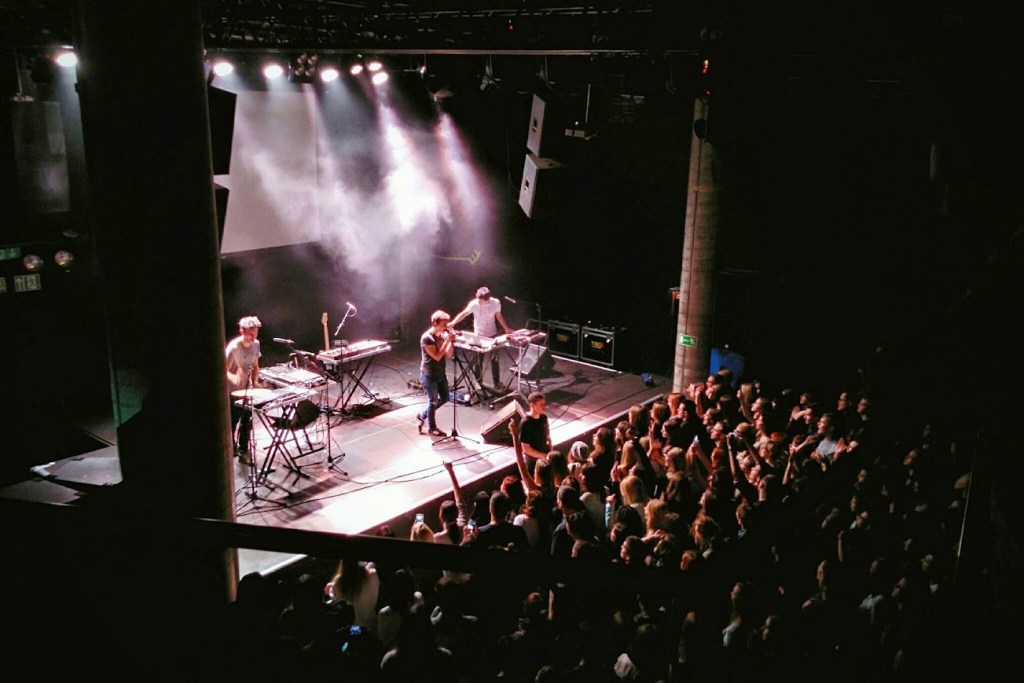
At concerts and music festivals, the stage and truss systems are used to support an array of equipment, including lights, speakers, projectors, and visual displays. The stage must be large enough to accommodate performers and their movement, while the trusses must handle the complex rigging of sound and light equipment.
- Trusses: Often suspended above the stage, trusses support the lights, speakers, and other performance-related gear. For outdoor festivals, the trusses must be engineered to withstand wind, rain, and other weather conditions.
- Stages: Stages in concerts are often raised and reinforced to hold large speakers, heavy equipment, and intricate lighting setups.
Example: In large festivals, like EDM festivals, lighting and visual effects are critical. Trusses can span the entire width of the event space, creating a dynamic experience with 3D lighting displays, smoke machines, and video projections.
2. Corporate Events and Conferences
Corporate events often require sophisticated stage designs that integrate multimedia elements, including video screens, lighting, and audio equipment. Trusses are essential in creating a clean and professional presentation, and they often support large screens or projectors used in the event.
- Stages: The stage must be simple yet functional, often designed to fit a speaker podium, chairs for panelists, and large screens for audience viewing.
- Trusses: Trusses in corporate settings are typically less elaborate but still support necessary elements such as overhead lighting, microphones, and screen mounting.
3. Theater Productions
In theater productions, stage design plays an integral role in bringing the performance to life. The stage must accommodate the actors and set pieces, while the trusses often support intricate lighting, sound, and special effects.
- Stages: The stage must be adaptable to the specific needs of each scene, with hidden trap doors, rotating platforms, or fly systems to allow for smooth transitions between acts.
- Trusses: Trusses are used for lighting, rigging backdrops, and managing the movement of scenery pieces.
Example: In a Broadway-style theater production, the stage may have multiple layers, trap doors, and even suspended elements. Trusses support the lighting and mechanical equipment used to create stunning visual effects during the performance.
Stage and Truss Design Components Overview
| Component | Stage Systems | Truss Systems |
| Material | Aluminum, Steel, Plywood | Aluminum, Steel |
| Function | Supports performers, equipment, scenic elements | Supports rigging for lighting, audio, and video |
| Flexibility | Modular, Adjustable | Modular, Adjustable |
| Safety Features | Anti-slip surfaces, load-bearing analysis | Load capacity testing, structural integrity |
| Load Capacity | Varies with the stage size and design | Engineered for specific weight requirements |
Types of Trusses Used in Event Production
- Square Trusses: Ideal for smaller setups, square trusses offer versatile load distribution and are easy to assemble.
- Triangular Trusses: Stronger and more rigid, triangular trusses are used in larger installations for complex load-bearing requirements.
- Flat Trusses: Used to support lighting and visual equipment directly above the stage, flat trusses are low-profile and can hold significant weight.
Summary of Stage & Truss
Stage and truss systems are essential components in creating spectacular live events. They provide the necessary infrastructure for performers, equipment, and safety measures, ensuring that every aspect of the event runs smoothly. From supporting massive lighting rigs to creating adaptable performance spaces, these systems contribute significantly to the overall experience.
The importance of selecting the right stage and truss systems for specific event needs cannot be overstated. These systems must be engineered with the highest attention to load-bearing capacity, structural integrity, flexibility, and safety. Moreover, the design and implementation of these systems require collaboration between event planners, engineers, and designers to ensure that both functionality and aesthetics are achieved.
As technology continues to evolve, stage and truss systems will continue to be integral to live events, offering new possibilities for creativity and performance. The combination of stage and truss will remain a cornerstone of live event production, making it possible to create breathtaking, memorable experiences that captivate audiences around the world.
YouTube Videos 0n Stage & truss
Academic References for Stage & Truss
- [BOOK] Performance lighting design: How to light for the stage, concerts and live events
- Design of Contemporary Mega‐Events
- Adaptability and structural design of stadia
- Evolution of stadium design
- Unusual Engineering Features of an Immense Theatre Building
- London’s public events and ceremonies: an overview through three centuries
- [BOOK] Lighting Design Beyond Theatre: A Process for the Evolving Entertainment Industry
- [BOOK] Events exposed: Managing and designing special events
- Setting the stage
- Entertainment lighting