1. Introduction to Interpretation Booths
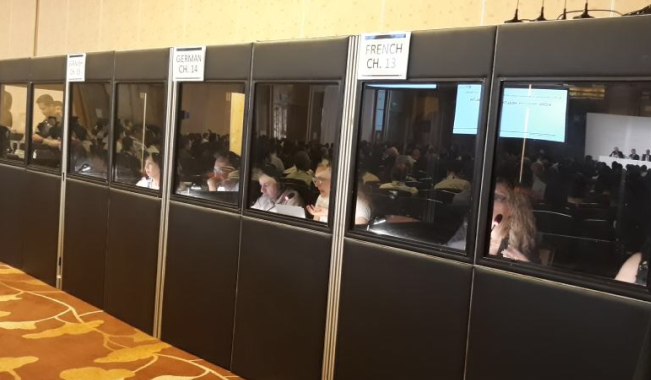
Interpretation booths are essential in multilingual events where communication between participants speaking different languages is a requirement. The booth provides a controlled environment that enables interpreters to listen to the original speech and translate it accurately and immediately into another language. These booths are designed to facilitate various forms of interpretation such as simultaneous, consecutive, and relay interpretation. The importance of having an interpretation booth is crucial to ensuring that every participant understands the message, regardless of their native language.
2. Understanding the Need for Interpretation Booths in Multilingual Events
Multilingual events, such as international conferences, business meetings, diplomatic summits, and academic gatherings, are commonplace in a globalized world. The increasing interaction between people from different cultural backgrounds and linguistic communities requires efficient solutions for communication. Without such solutions, participants may struggle to understand one another, which could lead to confusion, miscommunication, or failure to achieve desired outcomes.
The interpretation booth is a central tool in these multilingual settings, playing a pivotal role in facilitating communication and maintaining the event’s flow. By providing a dedicated space for interpreters to translate speeches, presentations, and discussions in real-time, these booths help ensure that no message is lost in translation.
2.1. Role of Interpreters in Multilingual Events
Interpreters are responsible for converting spoken words from one language to another. In the case of simultaneous interpretation, the interpreter does this in real time, with little to no delay, ensuring the speaker’s message reaches the audience almost instantly. Consecutive interpretation allows for a pause between the speaker’s speech and the interpretation, enabling more complex translation in certain contexts.
Regardless of the type of interpretation, interpreters need a distraction-free environment to maintain focus and deliver accurate translations. This is where the interpretation booth becomes crucial, providing an acoustically isolated space that is vital for their concentration and performance.
3. The Structure and Design of an Interpretation Booth
An effective interpretation booth is not just a simple structure; it is a carefully designed space that ensures optimal working conditions for interpreters. These booths come in various sizes and designs, depending on the event’s needs, but they all share several key components and features that make them effective in providing real-time translation services.
3.1. Soundproof Construction
The primary function of an interpretation booth is to provide sound isolation. Interpreters must be able to hear the speaker clearly, without interference from audience noise, ambient sounds, or distractions from the venue. A soundproof booth creates a quiet, controlled space where interpreters can focus on their task.
Booths are typically constructed using thick walls, soundproof glass windows, and acoustically-treated materials to minimize any outside noise. These features are essential in high-stakes environments like international summits, where every word can have significant consequences.
3.2. Technological Features
The interpretation booth must be equipped with the latest technology to ensure accurate and efficient communication. Key technological features include:
- High-Quality Audio Systems: These systems ensure that the interpreters can hear the speaker clearly, which is crucial for providing accurate translations. In a large event, the speaker’s voice is captured by high-fidelity microphones and transmitted directly to the interpreters’ headsets or headphones.
- Microphone Systems for Interpreters: Interpreters use specialized microphones that allow them to transmit their translations to the audience. The microphone systems often include features such as adjustable volume levels and built-in noise-canceling technologies, ensuring a clean and clear transmission.
- Transmission Channels: Modern interpretation booths offer multiple channels that can cater to different languages. In a multilingual event, interpreters work with separate channels for each target language, allowing the audience to select the channel corresponding to their language.
- Intercom Systems: Communication is crucial during complex multilingual events. The intercom system in the booth allows interpreters to communicate with event organizers, technical support teams, or even fellow interpreters if there are any issues or the need to coordinate their work.
- Headphones: Interpreters rely on high-quality headphones to listen to the speaker without distractions. These headphones must deliver sound clearly, ensuring that the interpreter catches every word and tone.
3.3. Comfort Features
Interpreters work under intense concentration for extended periods. Therefore, comfort is a significant factor in the design of interpretation booths. These booths are equipped with adjustable chairs, ergonomic seating, and adequate ventilation systems to maintain a comfortable environment for interpreters throughout the event.
The booth is also designed to allow interpreters to adjust the lighting and temperature to their preferences. This flexibility is important for maintaining productivity, especially during long conferences or meetings.
3.4. Interpretation Console
At the heart of the interpretation booth is the interpretation console. This console is the control center for the interpreter, offering various functionalities to ensure smooth operations. The console allows interpreters to:
- Control audio input and output levels
- Select channels to listen to different speakers
- Communicate with other interpreters or organizers
In large-scale events, portable interpretation booths often contain multiple consoles, allowing several interpreters to work simultaneously in different languages.
4. Types of Interpretation Services and the Role of Interpretation Booths
Interpretation booths are versatile tools, allowing for different types of interpretation depending on the nature and scale of the event. The three main types of interpretation services include:
4.1. Simultaneous Interpretation
Simultaneous interpretation is the most commonly used type of interpretation in multilingual events, particularly in conferences, large meetings, and summits. In this mode, interpreters listen to the speaker and translate the message into another language at the same time. The audience receives the translated message in real-time through headphones or other wireless transmission devices.
For simultaneous interpretation, the interpretation booth is crucial. It isolates interpreters from the audience and allows them to focus on their task without distractions. In larger events, multiple booths are used to handle the demand for interpretation in several languages.
4.2. Consecutive Interpretation
In consecutive interpretation, the speaker pauses at regular intervals to allow the interpreter to translate the message. This type of interpretation is typically used for smaller meetings, court hearings, and business negotiations. Though it requires more time, it can often be more accurate due to the slower pace of speech.
While consecutive interpretation can technically be performed without a booth, it is still beneficial to provide interpreters with a dedicated space to concentrate. The booth allows the interpreter to communicate without distraction and ensures that the translation remains accurate.
4.3. Relay Interpretation
Relay interpretation is used when an interpreter is needed for a language that does not have a direct interpreter available. For example, an interpreter might translate from Spanish to English, while a second interpreter translates the English message into Mandarin. This system requires multiple interpreters working in tandem and demands that each interpreter have access to an interpretation booth to maintain the highest quality of communication.
Click here to learn about How Interpretation Booths Improve Interpreter Performance and Key Features of a High-Quality Interpretation Booth.
5. Key Benefits of Using Interpretation Booths in Multilingual Events
The benefits of utilizing interpretation booths in multilingual events are extensive. Below are some of the key advantages they offer:
5.1. Increased Efficiency and Accuracy
By providing a soundproof, distraction-free environment, interpretation booths allow interpreters to focus on delivering accurate translations without being disturbed by the surrounding noise. This leads to a more efficient and error-free process. In high-profile international events, where every detail matters, accurate communication is paramount.
5.2. Enhanced Participant Experience
Participants in multilingual events appreciate having access to real-time translations, as it enables them to follow the proceedings without difficulty. The use of interpretation booths ensures that all participants, regardless of their language, have a seamless experience.
5.3. Professionalism and Credibility
The presence of interpretation booths demonstrates that an event organizer is serious about addressing linguistic barriers and providing a high standard of service. This contributes to the overall professionalism and credibility of the event, signaling that organizers are prepared to cater to the diverse needs of their international audience.
5.4. Facilitating Global Collaboration
In today’s interconnected world, cross-cultural communication is essential for collaboration. Interpretation booths play a critical role in breaking down language barriers, which in turn facilitates the exchange of ideas, innovations, and strategies among international stakeholders. Whether it’s a business meeting, diplomatic summit, or academic conference, interpretation booths help foster collaboration on a global scale.
5.5. Supporting Diplomacy and International Relations
In diplomatic settings, where multiple nations are often represented, an interpretation booth is an indispensable tool for ensuring accurate translations during negotiations or discussions. These booths allow diplomats to communicate with one another in their native languages, thus avoiding misunderstandings that could potentially derail critical talks.
6. Practical Considerations When Setting Up Interpretation Booths
Setting up interpretation booths involves more than just placing a booth in a venue. Several important factors must be taken into consideration to ensure the booths function properly. These include:
6.1. Booth Location
The location of the interpretation booths is key. Ideally, they should be placed in an area where the interpreters can see the speaker clearly, without being obstructed by physical barriers or large crowds. Additionally, the booth should be positioned in a way that minimizes noise from the audience or other areas of the venue.
6.2. Number of Interpreters
The number of interpreters needed will depend on the number of languages being used in the event. For example, in a conference with participants speaking ten languages, ten interpreters will be required, each working in different booths or sharing booths. It is essential to plan the number of booths according to the event’s linguistic requirements.
6.3. Technical Setup and Support
A well-equipped interpretation booth is only as effective as the technology supporting it. A technical team should always be on hand to set up the equipment and provide support in case of any technical issues during the event. This support should also include regular testing of all equipment before the event begins to ensure smooth operations.
Summary of Interpretation Booth
Interpretation booths are fundamental to the success of multilingual events. They provide interpreters with a controlled, quiet space to deliver real-time translations, which is essential for effective communication in international settings. By ensuring accuracy, professionalism, and comfort for interpreters, interpretation booths enhance the participant experience and contribute to the overall success of an event.
In the context of globalization, multilingual events are more common than ever, and the interpretation booth serves as a crucial tool in bridging language gaps. Whether used in diplomatic negotiations, international conferences, or corporate meetings, interpretation booths allow participants to engage, collaborate, and share ideas across linguistic and cultural boundaries. As the need for cross-cultural communication continues to grow, the role of interpretation booths in facilitating effective communication in multilingual events will remain indispensable.
YouTube Videos on Interpretation Booth
Academic References for Interpretation Booth
- Conference interpreting
- [PDF] „Speech and gesture in the booth–A descriptive approach to multimodality in simultaneous interpreting”
- Language labs and translation booths: Simultaneous interpretation as a learner task
- Interpreting for the mass media
- [PDF] The place of the interpreter and interpreting in an institutional setting
- On interpreting the interpreter–Experiences of language practitioners mediating for the TRC
- Simultaneous dialogue interpreting: Coordinating interaction in interpreter-mediated football press conferences
- Interpreting services within the EU
- Teamwork in the Virtual Booth—Conference Interpreters’ Experiences with RSI Platforms
- A typology of interpreter-mediated events