Sustainable wedding practices emerge as key revenue driver
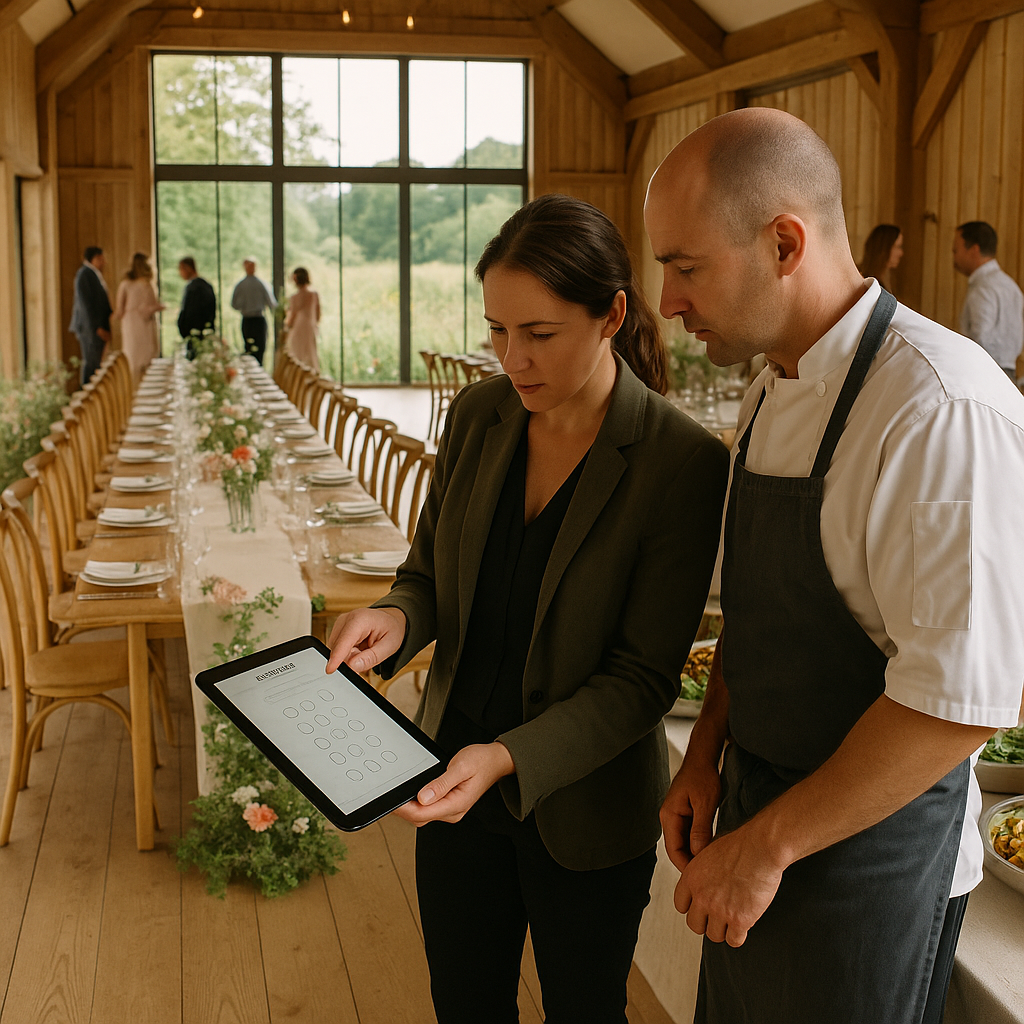
Sustainability in weddings has evolved from a marginal consideration to a central commercial factor for venues, suppliers and planners. Once perceived primarily as a moral or ethical choice, environmentally responsible practices are now influencing purchasing decisions at scale and opening up new revenue opportunities across the wedding supply chain.
With the UK wedding industry estimated to be worth around £14.7 billion annually, and a large portion of that value generated by independent and small businesses, the implications of this shift extend well beyond branding or reputation. For many operators, sustainable options are shaping how services are designed, packaged and priced.
Background: from niche concern to mainstream expectation
For much of the past decade, sustainable weddings were treated as a specialist category – something offered on request or positioned as an optional add-on. Couples who prioritised environmental impact often had to compromise on aesthetics, convenience or cost, and suppliers who invested in greener operations did so more for values than for commercial return.
Several converging trends have accelerated change. Growing consumer awareness of climate impact, increasing media coverage of sustainable lifestyles, and policy attention on waste and carbon emissions have all helped to normalise eco-conscious decision-making. In the wedding sector, this has translated into more couples asking detailed questions about sourcing, waste management, energy use and social impact.
Industry bodies and specialist organisations focused on sustainable weddings have also contributed by providing frameworks, education and benchmarking. This has made it easier for venues and suppliers to measure their footprint, improve practices and communicate verified progress to clients.
Key developments in sustainable wedding demand
Recent data from within the wedding sector indicates that sustainability is no longer an occasional request but a frequent deciding factor for couples selecting venues and suppliers. While specific figures vary by region and demographic, several patterns are now widely reported across the market:
- Growing client expectations: A rising proportion of couples now expect baseline sustainable options – such as reduced single-use plastics, local and seasonal catering, and responsible waste practices – to be part of standard offerings rather than premium extras.
- Higher willingness to pay for verified practices: Where sustainability measures are transparent, credible and integrated into service quality, couples are often prepared to allocate more of their budget to those suppliers, particularly for items such as catering, floristry and venue hire.
- Shift in supplier positioning: Many wedding businesses are now leading with sustainability credentials in their marketing, showcasing certifications, carbon-reduction measures and community impact alongside traditional selling points such as style, capacity and price.
- Operational changes: Vendors are revisiting logistics and procurement models – from re-usable décor inventories and circular hire systems, to partnerships with local growers and low-emission transport providers – in order to align with client expectations and reduce costs over time.
While approaches differ, a consistent theme is that sustainability is being woven into core products rather than sold as an afterthought. This integration is helping businesses improve margins and reduce risk, while better matching the values of today’s clients.
Industry impact across venues and suppliers
The commercial impact of this shift is being felt across the entire wedding ecosystem, from destination venues to micro-suppliers.
Venues: Properties that have invested in energy-efficient infrastructure, responsible waste management, biodiversity initiatives and transparent sustainability policies are increasingly using these features as a competitive differentiator. For some, the ability to evidence measurable improvements – such as lower carbon footprints per event or reduced landfill waste – is contributing directly to higher occupancy and longer lead bookings.
Caterers and food suppliers: Menu design is moving towards locally sourced, seasonal and lower-impact ingredients, often with vegetarian or plant-forward options as a default rather than a niche request. This shift can support local producers, shorten supply chains and reduce waste, while also appealing to guests with diverse dietary preferences.
Décor, floristry and rentals: Demand is growing for reusable structures, hire-based décor collections, foam-free floristry and flowers sourced from regional growers. Businesses that can provide traceability and demonstrate reduced waste are finding new opportunities in both full-service planning and DIY-minded couples seeking rented or repurposed items.
Digital tools and services: Paperless invitations, online RSVPs, digital seating plans and event apps are now common, cutting print runs and enabling more agile planning. Some technology providers and platforms are adding sustainability metrics or guidance into their tools, helping planners quantify the impact of design choices.
For small and micro businesses, these trends present both challenges and advantages. While investment in more sustainable operations can be resource-intensive initially, smaller suppliers often have greater flexibility to adapt quickly, trial new models and communicate their story directly to clients.
Why this matters for event professionals and technology providers
For wedding and event professionals, the repositioning of sustainability from peripheral value to revenue driver has several practical implications:
- Strategic differentiation: Sustainability credentials, when backed by verifiable action, can help businesses stand out in a crowded marketplace and justify premium pricing.
- Client retention and referrals: Couples who prioritise environmental and social impact often act as strong advocates, driving word-of-mouth referrals to suppliers whose practices align with their values.
- Risk management: Reducing waste, energy use and reliance on long, fragile supply chains can make operations more resilient to price volatility, regulation and disruption.
- Data and measurement opportunities: There is growing scope for technology providers to build tools that track emissions, material use and waste across events, enabling planners and suppliers to measure progress and report outcomes in a structured way.
- Service innovation: Hybrid and digital elements – from live streaming ceremonies to virtual planning consultations – can reduce travel emissions while adding new layers of accessibility and monetisation.
Technology vendors servicing the wedding and wider events sector can support this evolution by integrating sustainability features into platforms, facilitating supplier discovery based on environmental criteria, and presenting data that helps clients make informed choices. Collaboration between software providers, venues and supply chains is likely to grow as the demand for transparency increases.
Conclusion
The perception of sustainable weddings has shifted decisively. Rather than being an optional ethical layer, environmental and social responsibility is now influencing core commercial decisions, from how services are designed to which suppliers are selected and how budgets are allocated.
As couples continue to align their celebrations with their values, venues and suppliers that treat sustainability as a strategic, measurable and visible component of their offering are positioned to gain both market share and long-term resilience. For the broader events sector, weddings provide a clear case study: when sustainability is embedded into the business model, it can drive demand, unlock innovation and create tangible commercial value.