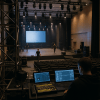
New and updated event venues expand options in Dallas–Fort Worth for 2026

Background and context
The Dallas–Fort Worth metro area continues to see steady growth in its meetings and events infrastructure, with a mix of new builds and renovated properties coming online ahead of summer 2026. The region, already a major hub for corporate meetings, conventions, and incentive travel, is adding capacity across hotels, restaurants, and purpose-built event facilities.
This activity reflects broader trends in the U.S. events market, where secondary and tier‑one cities are investing in flexible spaces, integrated AV, and improved attendee experiences. For planners, the Dallas–Fort Worth area’s central location and air connectivity remain key advantages as they consider destinations for national and regional programs.
Key announcement
A new wave of venues—ranging from boutique hotels and dining concepts to larger meeting and event spaces—has recently opened or completed major upgrades in Dallas and Fort Worth. These properties are positioning themselves to attract business for summer 2026 and the years that follow.
Across the region, offerings include:
- Newly opened hotels incorporating dedicated meeting floors, rooftop spaces, and multipurpose ballrooms designed for both corporate groups and social events.
- Restaurant concepts with private dining rooms and semi‑private areas that can be tailored for small meetings, client dinners, and post‑conference gatherings.
- Specialty venues—such as converted industrial spaces, cultural institutions, and lifestyle hubs—equipped to handle product launches, brand activations, and immersive experiences.
- Upgraded legacy properties that have refreshed interiors, expanded breakout space, and modernized their audiovisual and connectivity infrastructure.
Most of these venues are emphasizing flexible room configurations, built‑in technology, and improved back‑of‑house support to better accommodate hybrid formats and rapid technical change. Venue specifications and booking information are being made available through their respective property sites and operator portals; planners can typically access capacity charts, floor plans, and technical details online. As with most hospitality offerings, more information is available through each operator’s official website or product page.
Industry impact
The addition of multiple event‑capable venues in Dallas–Fort Worth is expected to increase competition for group business in the region. This may provide planners with stronger negotiating leverage on minimums, dates, and concessions, particularly during off‑peak windows.
From an event technology perspective, new and renovated facilities are generally being delivered with upgraded AV infrastructure. This often includes higher‑capacity bandwidth, improved power distribution, more robust in‑house sound and lighting options, and better mounting points for LED walls and scenic elements.
- Hybrid and broadcast‑ready setups are becoming more common, with venues designing spaces to accommodate camera positions, control rooms, and streaming workflows.
- Wi‑Fi density and reliability are being treated as core requirements, particularly for tech‑driven conferences and exhibitions.
- Some properties are integrating digital signage and wayfinding to support larger and more complex programs.
For local suppliers—ranging from production companies to staging and rental providers—the broader venue ecosystem may translate into more diverse event formats and a higher volume of mid‑sized programs.
Why this matters
For event planners evaluating Dallas–Fort Worth for summer 2026 and beyond, the expanding venue landscape offers more choice across size, style, and budget. The availability of new hotel inventory, additional meeting rooms, and technologically capable spaces can help distribute demand more evenly, potentially easing pressure during historically busy periods.
Planners designing content‑heavy meetings, product launches, or multi‑track conferences may find it easier to source venues that already support advanced AV setups, rather than relying entirely on temporary builds. Likewise, smaller programs gain more options for distinctive off‑site dinners, receptions, and creative breakout locations.
As the market continues to evolve, the Dallas–Fort Worth area is likely to remain competitive with other central U.S. hubs, especially for organizations seeking a balance of accessibility, venue variety, and modern technical capabilities. Keeping abreast of new openings and recent renovations will be important for planners looking to secure dates and lock in favorable terms for 2026 events.