Seattle Convention Center recognized as key U.S. venue amid evolving experiential landscape
Background and context
The U.S. events sector is entering the second half of 2026 with a mix of large-scale conventions, sports-driven brand activations, and notable venue recognitions. As organizers continue to balance in-person attendance with hybrid expectations, recent developments highlight how destinations and brands are positioning themselves in a competitive market.
Several updates from early July point to three ongoing trends: the steady demand for content-focused conventions, the use of global sports moments to drive pop-up experiences, and the growing importance of venue reputation in securing high-value events.
Key announcement
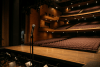
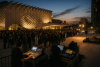
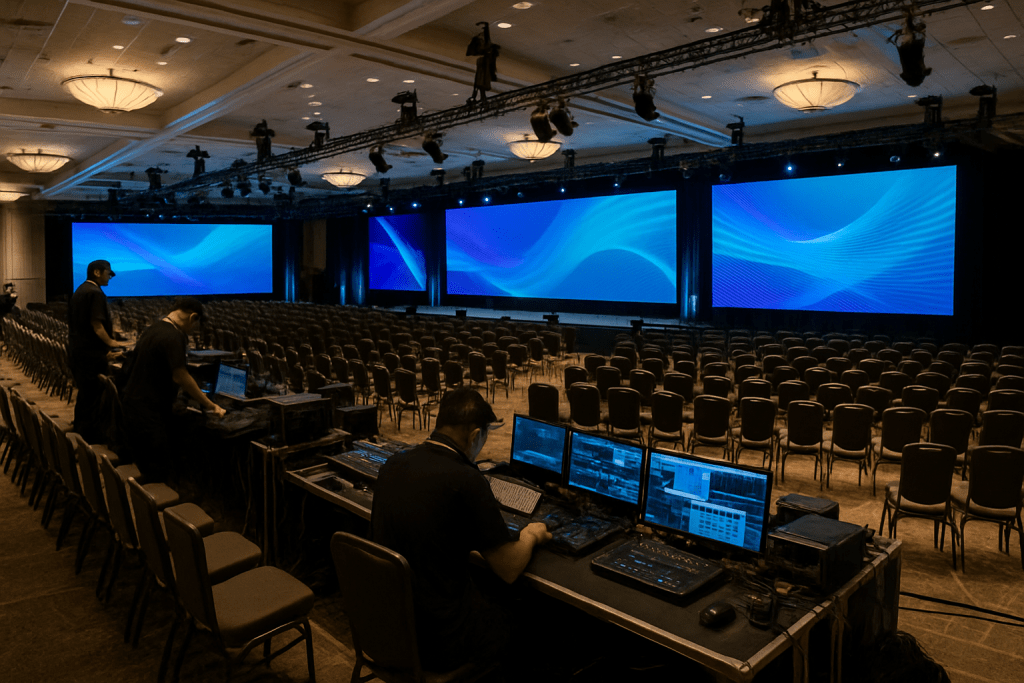
Seattle Convention Center has received a new venue award, underscoring its status as a major meetings and events hub in the Pacific Northwest. The recognition comes after years of expansion and infrastructure investment, including modernized meeting rooms and updated production capabilities designed to support conferences, exhibitions, and hybrid programs.
At the same time, DIY CON 2026 has been announced as a dedicated gathering for creators, makers, and hands-on enthusiasts. The event is expected to combine education, live demonstrations, and exhibitor showcases, bringing together both consumers and industry professionals interested in do-it-yourself tools, techniques, and content.
On the brand side, Stella Artois is rolling out a World Cup-themed pop-up bar concept, designed to align with the current global football tournament. The activation is centered around match-viewing experiences, themed hospitality, and photo-ready environments, adding another example of how beverage brands continue to use sports as a framework for temporary venues and fan engagement.
Industry impact
The award for Seattle Convention Center offers added visibility in a market where event planners are weighing capacity, technology, and accessibility. Recognition of this type can strengthen a venue’s case for hosting national association meetings, corporate events, and large consumer shows, particularly as organizers seek reliable partners with proven operational performance.
DIY CON 2026 reflects the sustained popularity of creator-focused and niche community events. For technology providers, AV companies, and production teams, such conventions typically demand flexible staging, content capture, and robust workshop spaces that can handle frequent changeovers and interactive formats.
Meanwhile, the Stella Artois World Cup pop-up bar illustrates an ongoing shift toward immersive, themed spaces built around major sports calendars. These projects tend to rely heavily on LED displays for live game feeds, dynamic lighting for atmosphere, and sound systems that can support both broadcast audio and hosted programming.
Why this matters
Together, these developments highlight how different segments of the event ecosystem are adapting to audience expectations. Venue awards like the one given to Seattle Convention Center can influence sourcing decisions at a time when planners are re-evaluating city rotations and looking closely at technical capabilities and attendee experience.
DIY CON 2026 signals continued demand for programming where attendees do more than watch from a seat. This favors layouts and technology that support participation—hands-on labs, live streaming for remote fans, and content capture that can be repurposed across platforms.
Brand-led pop-ups tied to global tournaments, such as the Stella Artois World Cup bar, show how temporary experiences are becoming more sophisticated from a production standpoint. They increasingly resemble small, fully equipped venues, requiring professional-grade AV, reliable connectivity, and carefully planned crowd flow to deliver both broadcast-quality viewing and on-site comfort.
For event technology suppliers, producers, and venue teams, these trends reinforce the need for adaptable infrastructure, strong technical staffing, and flexible design. More information about Seattle Convention Center’s facilities and capabilities is available via its official website, which outlines meeting spaces, technology options, and event services aimed at both planners and production partners.