Meet In Wales targets gastronomy for business events
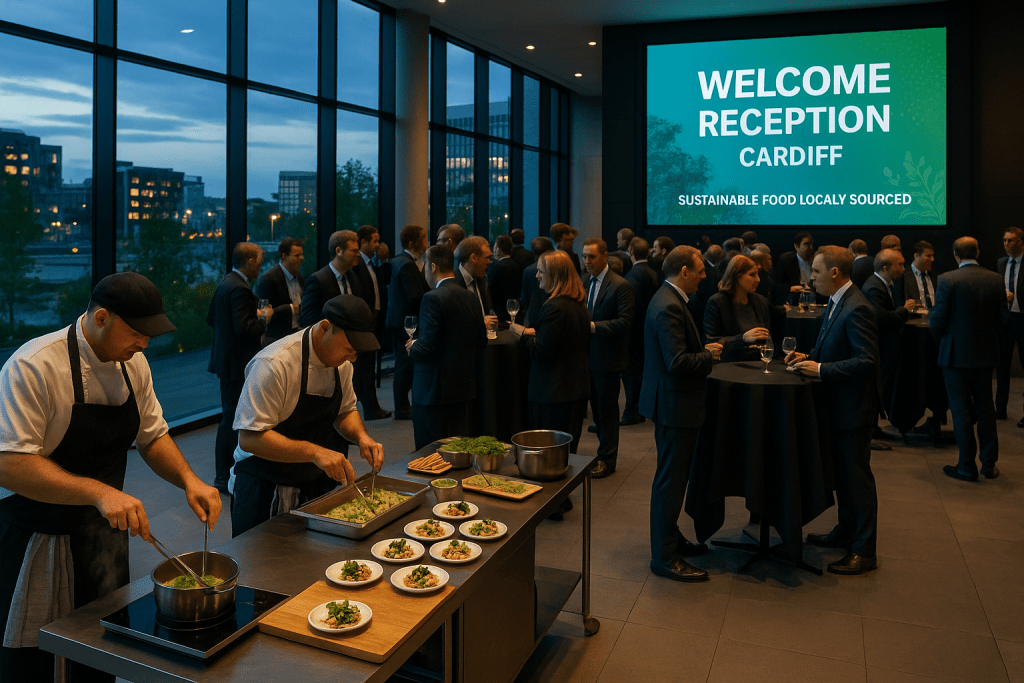
Meet In Wales is sharpening its focus on food and culinary excellence as a strategic hook to attract international meetings and business events. The national business events team is positioning Wales’ gastronomy, sustainability credentials and food innovation ecosystem as central themes for corporate groups and associations seeking distinctive event programmes.
The move forms part of a broader effort to connect the country’s business events strategy with key national strengths, using food, farming and hospitality as a lens through which to showcase regional expertise, innovation and culture to visiting delegates.
Background and industry context
Destination marketing organisations across Europe have increasingly aligned their business event strategies with local sector strengths, such as life sciences, technology, or creative industries. Food and drink, in particular, has become a core storytelling tool for many convention bureaux, used to differentiate the delegate experience and highlight sustainable practices.
Wales has long promoted its landscapes and heritage to leisure travellers, but there is growing recognition that its food producers, chefs and culinary innovators can also underpin a compelling narrative for international conferences, incentive trips and association congresses. As event organisers place more emphasis on authentic local content, responsible sourcing and memorable networking formats, gastronomy is becoming a valued component in destination selection.
Key developments in the Meet In Wales strategy
Within this context, Meet In Wales is now deliberately targeting corporate businesses and international associations that share interests in gastronomy, sustainability and food innovation. The organisation is inviting planners in these sectors to consider Wales as a host destination for meetings, incentives and specialist events that integrate culinary themes into their programmes.
The strategy aims to use food in multiple ways: as a platform for knowledge exchange, as a vehicle for sustainability in practice, and as a means to showcase local supply chains and regional identities. While specific campaigns and event partnerships have not been detailed, the direction of travel is clear: food is being treated not just as an add-on to gala dinners but as part of the intellectual and experiential framework of business events in the country.
This aligns with wider objectives to bring business events closer to Wales’ priority sectors. Agriculture and food production, hospitality, and emerging food-tech and sustainability initiatives provide content for site visits, technical tours, panel discussions and case studies. Delegates can be connected with producers, culinary experts and researchers to explore topics such as sustainable sourcing, circular food systems and rural innovation.
Potential impact on the business events landscape
By highlighting gastronomy as an anchor theme, Meet In Wales is seeking to influence how the destination is perceived in the global meetings market. Rather than competing solely on venue capacity or price, Wales is positioning itself as a place where food culture, sustainability and innovation intersect.
This focus could help the country appeal to niche segments, including food-related associations, sustainability-led corporates and incentive groups looking for experiential itineraries. It may also support longer-term tourism and economic goals by driving business visitors into local supply chains and rural communities, particularly if event programmes incorporate farm visits, producer-led experiences and local tasting sessions.
For the wider industry, the approach underlines how culinary positioning can contribute to a destination’s value proposition. Venues, hotels and caterers that can demonstrate local sourcing, provenance and reduced waste practices may become more integral to competitive bids, as event organisers seek evidence of tangible sustainability in food and beverage operations.
Why this matters for event professionals and technology providers
For event planners, the renewed emphasis on food and culinary excellence in Wales underscores several trends influencing programme design and technology choices:
- Content-led culinary programming: As destinations integrate gastronomy into the educational and networking fabric of events, planners may look to develop food-focused sessions, workshops or site visits, supported by digital tools for scheduling, registration and content delivery.
- Sustainability tracking: With sustainability tightly linked to food strategy, there is growing scope for event tech that measures the environmental impact of catering, tracks local sourcing, or facilitates surplus food redistribution and attendee engagement around responsible consumption.
- Hybrid storytelling: Virtual and hybrid platforms can extend culinary experiences beyond on-site delegates, for example through live-streamed chef demonstrations, behind-the-scenes tours of producers, or interactive sessions that connect remote participants with local experts.
- Data and personalisation: Technologies that capture dietary preferences, cultural expectations and attendee feedback on food experiences can help refine menus and formats, while aligning with corporate wellness and inclusivity goals.
For technology providers, these developments point to a demand for solutions that integrate food-focused content into event apps and platforms, from pre-event menu previews and sustainability dashboards to interactive maps of local producers and on-demand culinary content.
Suppliers servicing the Welsh market may find opportunities to collaborate with venues and destination teams to surface data on provenance, carbon impact and supplier stories in a way that is accessible to organisers and delegates. This could include QR-linked content at food stations, mobile-led tasting trails, or digital feedback tools that help demonstrate ROI on curated culinary experiences.
Conclusion
Meet In Wales’ decision to spotlight food and culinary excellence reflects a broader shift in how destinations are using local strengths to shape their business events offer. By connecting gastronomy with sustainability and innovation, the organisation is aiming to attract events that see value in a deeper, more place-specific experience for delegates.
While the long-term outcomes of this strategy remain to be seen, it signals to event professionals that Wales intends to compete in the international meetings market with a clearly defined narrative built around its food culture and responsible practices. For organisers and technology partners, it presents a framework for designing programmes where culinary content is not just about dining, but about insight, impact and engagement.