NOWIE launches second survey on women’s safety in events
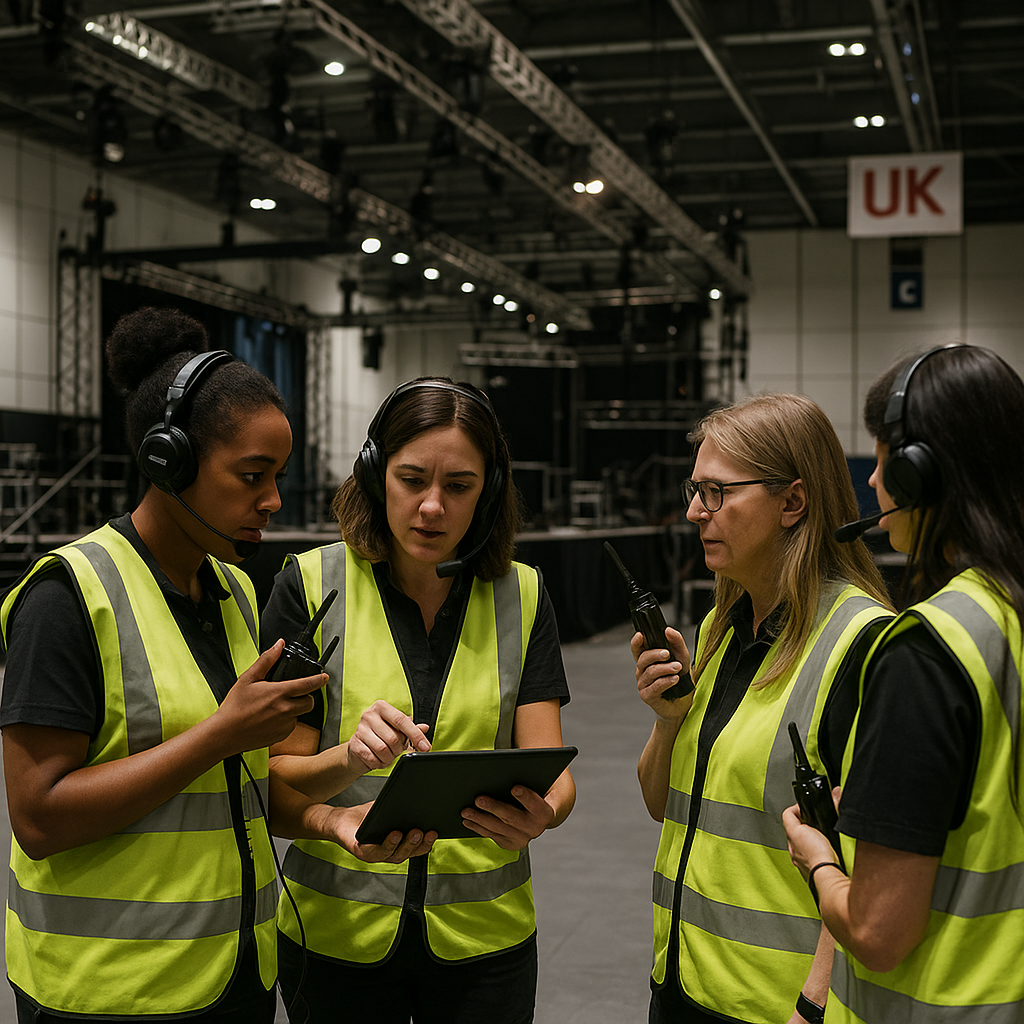
The Network of Women in Events CIC (NOWIE) has opened a new, industry-wide survey to examine the working experiences and safety of women across the UK events sector. The research follows last year’s headline finding that around one in four women working in the country’s £60 billion events industry reported experiencing sexual assault in a work-related context.
The latest edition of the NOWIE Big Survey aims to build on that initial data set, track changes over time and provide an updated picture of harassment, discrimination and wider workplace conditions facing women in conferences, exhibitions, festivals, live events and corporate experiences.
Background and industry context
The UK events industry spans large-scale trade shows, consumer exhibitions, festivals, sporting and cultural events, corporate meetings and incentive programmes. It is estimated to contribute around £60 billion to the UK economy, bringing together organisers, venues, suppliers, agencies, freelancers and on-site staff across thousands of live and hybrid experiences each year.
Despite its economic importance and highly visible public role, the sector has faced growing scrutiny over systemic issues linked to gender equality and safety at work. Challenges frequently cited by professionals include late-night working patterns, alcohol-heavy environments, complex contractor chains, and a high proportion of freelance and temporary staff, all of which can make clear reporting structures and accountability more difficult.
Within this context, NOWIE’s previous survey highlighted the prevalence of sexual harassment and assault experienced by women while performing their roles, whether in offices, venues, build and break periods or during live event operations. The new study seeks to understand whether awareness raised over the past year has led to any shifts in behaviour, policy or reporting.
Key developments in the new NOWIE study
NOWIE describes the second NOWIE Big Survey as a major follow-up research project, targeting women working across the full spectrum of the UK events economy. The questionnaire is designed to capture both quantitative data and personal experiences around topics such as:
- Incidents of sexual harassment and assault in professional settings
- Perceptions of physical and psychological safety on-site and in offices
- Knowledge of reporting routes and confidence in using them
- Employer and client responses to complaints and concerns
- Career impact of negative experiences, including decisions to leave roles or the sector
The survey also looks more broadly at the working conditions for women in events, including workload, pay equity, flexible working access, progression opportunities and representation at senior levels. By re-running the study, NOWIE aims to generate longitudinal data that can show whether there has been any meaningful movement on these issues year on year.
The research is positioned as UK-wide and cross‑segment, inviting responses from women working in agencies, venues, production companies, organisers, suppliers and independent contractor roles. Responses are anonymous, with aggregated findings expected to be shared with the industry once analysis is complete.
Industry impact and potential outcomes
The initial revelation that approximately one in four women in events had experienced sexual assault while working was a significant shock to many organisations and professionals. For some, it prompted internal reviews of safeguarding policies, staff training and reporting frameworks. Others began to examine contractor management practices, event security measures and welfare provisions more closely.
The second NOWIE Big Survey has the potential to influence several areas:
- Policy development: Data can inform the creation or refinement of sector-specific codes of conduct, anti-harassment policies and event site rules.
- Training and education: Findings may highlight gaps in front-line and management training around intervention, reporting, and supporting victims.
- Procurement expectations: Organisers and brands may increasingly require suppliers, venues and staffing agencies to demonstrate robust safeguarding procedures as part of tenders.
- Regulatory and trade body dialogue: Evidence-based insights can feed into discussions with industry associations and policymakers on standards and guidance.
- Talent attraction and retention: Addressing safety and equality concerns is likely to become more central to keeping skilled women in the sector and attracting new entrants.
For an industry dependent on collaboration across multiple companies and roles at each event, shared data on the scale and nature of problems is a critical foundation for coordinated action.
Why this matters for event professionals and technology providers
For event organisers, venue operators and production teams, the survey underlines that safety and inclusion are not purely HR concerns; they directly intersect with operational design, event layout, staffing plans and on-site technologies.
Several areas where the findings could intersect with event technology and operations include:
- Access control and security systems: Badge data, zone access rules and surveillance coverage can support safer staff environments if designed with clear safeguarding objectives.
- Incident reporting tools: Whistleblowing platforms, anonymous reporting apps and integrated help features within event apps can simplify how staff and freelancers raise concerns in real time.
- Staff communication channels: Radio systems, messaging platforms and crew apps can be configured with clear escalation paths for welfare and harassment issues, not only technical or production matters.
- Data and analytics: Aggregated incident logs, location data and time-of-day analysis can reveal patterns that may inform changes to staffing levels, security deployment or site design.
- Hybrid and remote work practices: For teams working across physical and virtual environments, collaboration tools and management platforms can embed clearer expectations and processes for respectful conduct and reporting.
Technology providers and platform developers in the event sector may also see increased demand for features explicitly supporting staff wellbeing, such as integrated safeguarding modules, emergency contact workflows and configurable codes of conduct for crew and suppliers.
For women working in events – whether full-time employees, freelancers, or seasonal staff – the survey represents an opportunity to influence how the industry measures, discusses and responds to safety and equality issues. For employers, it offers a chance to benchmark internal policies against broader trends and to identify areas where investment or process changes may be required.
Conclusion
NOWIE’s second Big Survey signals that the conversation around women’s safety and workplace experience in the UK events industry is moving from one-off shock statistics towards ongoing measurement and accountability. By revisiting the research and expanding its scope, the organisation is seeking to provide a clearer, data-led view of whether conditions are improving and where persistent problems remain.
As the sector continues to rebuild and adapt in the wake of recent economic and operational pressures, the findings are likely to contribute to debates on recruitment, retention, culture and risk management. For event professionals, suppliers and technology partners alike, engaging with the insights – and with the structural changes they may require – will be an important part of sustaining a resilient, diverse and trusted events ecosystem.