Immersive dining showcase explores power of edible storytelling
Feast & Fable, an agency specialising in edible engagement, has partnered with experience design company allpoints to stage an invitation-only London showcase demonstrating how multi-sensory dining can be used as a narrative tool for brand storytelling and audience engagement.
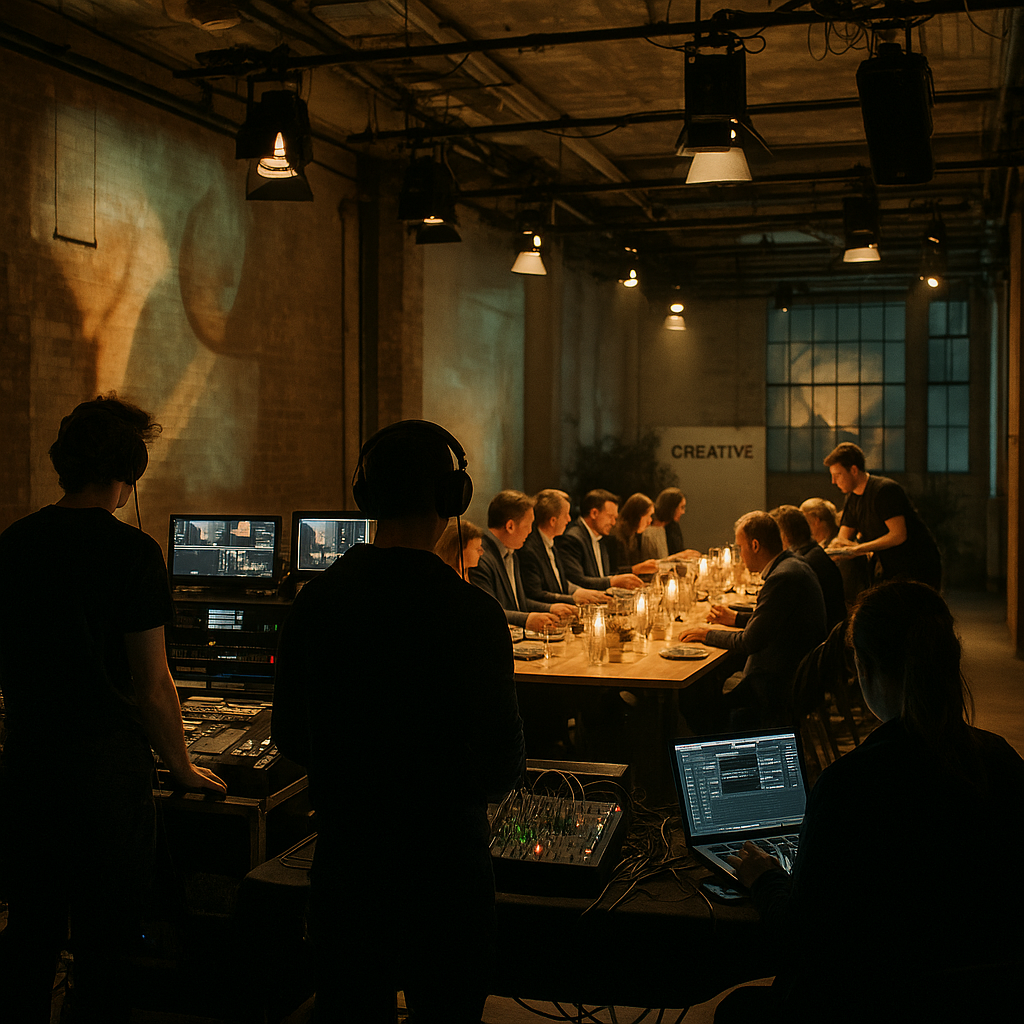
The series of events, held at White Rabbit Studios in Shoreditch and titled “Unwritten”, brought together senior marketers, brand owners and agency leaders to explore how food, narrative and sensory design can be blended into cohesive, story-led experiences.
Background and industry context
Brands across sectors are increasingly looking beyond traditional hospitality and catering formats to build deeper emotional connections with attendees at conferences, launches and experiential activations. As event professionals seek more distinctive ways to cut through audience fatigue, interest has grown in formats that use taste, scent, sound and touch as part of a structured narrative journey.
Edible storytelling sits within this broader shift towards immersive and experiential design, where every element of an event environment is treated as a narrative device. Rather than treating food and drink as a functional component delivered on the side-lines, emerging approaches position the menu as a core part of the storyline and message architecture.
For corporate event planners, experiential agencies and hybrid event platforms, this trend is prompting questions around how catering, content, scenography, digital touchpoints and live performance can be integrated into a single, coherent experience that aligns with brand strategy.
Key developments at the Unwritten showcase
At the Unwritten showcases, Feast & Fable and allpoints designed a narrative-led dining experience intended to show how edible storytelling can be used as a strategic engagement tool rather than a one-off gimmick. Guests were invited to move through a curated series of courses and sensory moments, each tied to specific narrative beats and emotional responses.
The event concept centred on the idea of stories that have yet to be told, using the dinner format as a framework for exploration and co-creation. The organisers used an evolving storyline to guide how guests interacted with the space, the menu and each other, demonstrating how narrative structure can shape the pacing and intensity of an experience.
Multi-sensory design played a central role. Alongside the food itself, elements such as lighting, sound design, tactile materials and scent were choreographed to support key narrative transitions throughout the evening. This approach illustrated how creative teams can treat the event environment as a live canvas for storytelling rather than a static backdrop.
Invited attendees included senior decision-makers from brand marketing, in-house experience teams and creative agencies. The organisers positioned the showcase as a testing ground for ideas that could be adapted for product launches, leadership summits, partner events, incentive programmes and consumer activations.
Industry impact and potential applications
The Unwritten experience reflects a broader move towards treating hospitality and F&B as strategic components within event design, rather than cost centres or purely operational considerations. For B2B and B2C events alike, the model presented several possible applications:
- Product storytelling: Aligning ingredients, presentation and pacing of dishes with phases of a product narrative, such as origin, innovation and future roadmap.
- Leadership and culture events: Using shared, story-driven meals to surface themes like organisational change, values or transformation journeys in a less didactic format.
- Partner and client engagement: Designing intimate, high-touch experiences that can be personalised to specific accounts or sectors while still following a repeatable narrative framework.
- Hybrid and digital extensions: Incorporating delivered tasting kits, interactive content or AR layers that mirror the live storyline for remote participants.
For suppliers, the approach raises new collaboration models between caterers, creative technologists, experience designers and content strategists. Edible storytelling demands more integrated planning than conventional banquet-style formats, requiring tighter briefing, prototyping and run-of-show orchestration.
Why this matters for event professionals and technology providers
For event organisers, the Unwritten showcase underscores a shift from segmenting catering, content and production into separate workstreams toward a holistic experience design methodology. When food becomes part of the narrative, it demands earlier involvement of culinary teams in the creative process and closer alignment with messaging and audience objectives.
From an event technology perspective, narrative-led dining opens up further use cases for tools that support orchestration and measurement. Timelines, cueing systems, lighting control, audio playback, projection, RFID and audience interaction platforms can be coordinated to align with course service, key messages and emotional arcs.
Data and feedback collected from such experiences can also inform how future events are structured. For instance, analysing guest responses at specific narrative beats could help planners refine pacing, adjust sensory loads or personalise elements for different audience segments. Hybrid platforms might offer parallel narrative tracks for remote participants, synchronising their at-home tasting or interaction moments with what is happening in the physical space.
Vendors in areas such as event apps, live polling, content management, and spatial audio or light mapping can find new roles in these narrative ecosystems. Instead of simply layering technology onto an event, platforms can be configured around the story journey, using triggers and cues that reflect a dinner’s progression or an unfolding narrative.
Conclusion
The Unwritten showcases at White Rabbit Studios highlight how edible storytelling is moving from experimental concept into a viable option for brand-led experiences. By demonstrating a tightly choreographed, narrative-first approach to dining, Feast & Fable and allpoints have provided a working example of how food, space, technology and story can be interwoven to create more memorable and purposeful events.
For event professionals, the initiative signals an opportunity to rethink how hospitality budgets are deployed, and how catering partners are briefed, to support broader strategic objectives. As attendee expectations continue to rise and differentiation becomes harder to achieve, multi-sensory, narrative-led formats such as Unwritten may play a larger role in the design of conferences, exhibitions and experiential campaigns.