Historic Vienna theatre upgrades to Sennheiser Spectra for modern audio workflows
Background and context
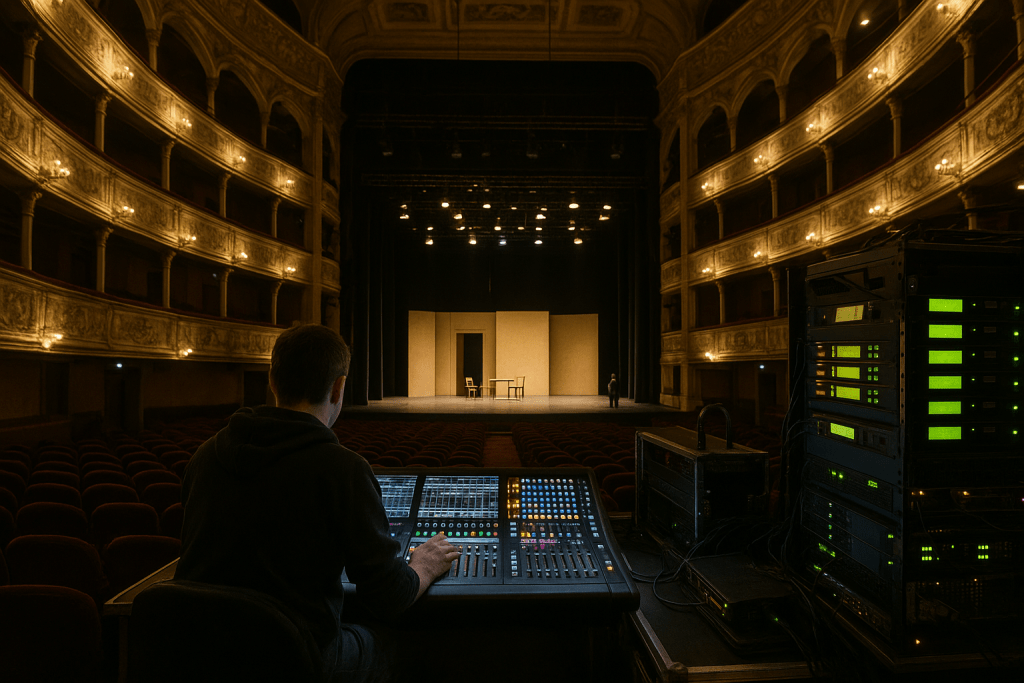
The Theater in der Josefstadt, one of Vienna’s oldest and most respected spoken-word theatres, has entered a new phase in its audio development with a major infrastructure upgrade. Known for its classical and contemporary productions, the venue faces the same technical pressures as many historic houses: preserving architectural character while supporting increasingly complex sound requirements.
Rising expectations around intelligibility, consistent coverage, and flexible sound design have pushed many theatres to reconsider their audio networks and control systems. In this context, the Josefstadt has chosen to introduce Sennheiser’s Spectra system as the backbone of its refreshed audio workflow.
Key announcement
The theatre has installed Sennheiser Spectra as a central element of its new sound architecture, replacing parts of its legacy setup with a more scalable and software-driven platform. The system is designed to support networked audio transport, detailed monitoring, and more refined control of wireless microphone operations throughout the venue.
According to Sennheiser, Spectra is intended to serve as a unifying layer between microphones, receivers, and control interfaces, with an emphasis on IP-based workflows. In the Josefstadt installation, Spectra is used to coordinate multiple wireless channels, track frequencies, and provide technicians with a clearer overview of the RF environment in real time.
The theatre’s technical team now works with a centralised interface that integrates into the existing production infrastructure, rather than relying on a collection of separate tools. This is particularly relevant for repertory operations in which shows change frequently and setups must be reconfigured at short notice.
While the full details of device counts and channel allocations were not disclosed, the deployment demonstrates how a traditional theatre can adopt network-centric tools without extensive structural changes. Sennheiser highlights this project as an example of how Spectra can fit into established venues with complex scheduling and limited downtime for technical work. More information on the platform is available via Sennheiser’s official product pages at sennheiser.com.
Industry impact
The move at Theater in der Josefstadt reflects wider trends across European and international theatre, where operators are shifting from hardware-centric sound control toward software-defined, IP-based environments. As productions incorporate more wireless channels and advanced sound design, the ability to oversee and adjust these systems rapidly is becoming essential.
For system integrators and rental partners, installations such as this provide a practical reference for combining modern RF and networked audio tools within protected or historic buildings. The Josefstadt upgrade suggests that even long-established venues can implement contemporary control layers without a full replacement of every existing component.
Manufacturers, including Sennheiser, are increasingly positioning their platforms as centralised management tools that sit above individual devices. This approach can support more predictable show operation, quicker troubleshooting, and integration with other theatre technologies such as lighting, show control, and stage management systems.
Why this matters
For the wider event and theatre technology community, the Josefstadt project underlines how expectations around audio have evolved. Audiences now assume clear speech, stable wireless performance, and consistent sound from every seat, even in venues that predate modern amplification.
By adopting a system like Spectra, the theatre is aiming to stabilise its RF workflows and create a technical foundation that can support future changes in production style, regulation, and spectrum availability. This kind of investment can also reduce pressure on sound teams, who are required to manage more channels and faster turnarounds with limited staff.
The installation serves as a case study for other theatres evaluating when and how to modernise RF control and networked audio infrastructure. It shows that a gradual, platform-based upgrade can be an alternative to a disruptive, full-scale system replacement, allowing historic venues to meet contemporary technical demands while retaining their distinctive character.