Event Microphones and Audio Systems: The Unsung Heroes of Seamless Event Experiences
Introduction
In the world of live events, stunning visuals and creative stage designs often steal the spotlight — but sound is the true backbone of a successful program. Whether it’s a keynote, panel discussion, concert, wedding, or hybrid conference, event microphones and audio systems determine how clearly your message is delivered and how engaged your audience remains.
A beautifully designed stage means nothing if the audience can’t hear the speaker. Today’s event professionals rely on advanced microphones and audio technologies to deliver crisp, reliable, and immersive soundscapes. As hybrid and virtual events become more common, the demand for high-quality audio has grown dramatically — solidifying its importance as a critical pillar of event success.
What Makes Event Audio So Important?
1. Clarity Drives Engagement
Audiences lose interest quickly when audio is muffled or inconsistent. Research shows that poor audio quality causes 47% of attendees to disengage within minutes. Clear, stable audio keeps people focused on content rather than distractions.
2. Inclusivity and Accessibility
High-quality microphones support captioning systems, assistive listening devices, and AI transcription tools, helping events become more accessible to people with disabilities or non-native language speakers.
3. Hybrid and Virtual Expectations
Virtual attendees rely solely on audio and video. Even with great visuals, poor audio creates disconnects and reduces retention. Reliable microphones ensure that remote audiences feel as involved as those in the room.
Types of Microphones Used in Modern Events
Choosing the right microphone can make or break an event. Here’s a breakdown of the most commonly used types and where they shine:
1. Handheld Microphones
The classic choice for:
-
Q&A sessions
-
Interviews
-
Emcees
-
Performers
Handheld mics offer excellent sound control and are easy to pass among speakers. Wireless versions allow unrestricted movement on stage.
2. Lavalier (Lapel) Microphones
Ideal for presenters who need hands-free freedom. These small clip-on mics are perfect for:
-
Corporate presentations
-
Workshops
-
Trainer-led sessions
-
Hybrid streaming
Lavalier mics deliver consistency and mobility, making them essential for speakers who move or gesture frequently.
3. Headset Microphones
Favored for:
-
Fitness instructors
-
Stage performers
-
High-energy presenters
These mics stay in place even during active movement and deliver remarkably stable sound.
4. Boundary (Tabletop) Microphones
Common in:
-
Panels
-
Roundtable discussions
-
Boardroom meetings
Boundary mics capture multiple voices naturally and reduce the clutter of multiple hand-held devices.
5. Shotgun Microphones
Best suited for:
-
Large stages
-
Film shoots
-
Outdoor events
Their directional pickup pattern isolates specific voices while reducing surrounding noise.
6. Array & Beamforming Microphones
These high-tech systems use built-in AI to track and enhance speech automatically — ideal for hybrid and conference environments.
Modern Audio Systems: Beyond the Microphone
Digital Mixers
Modern digital mixers allow audio technicians to balance levels, reduce echo, and mix audio for in-person and online audiences simultaneously.
DSP (Digital Signal Processing)
DSP-powered systems automatically suppress feedback, remove background noise, and ensure consistent audio levels — critical for complex environments.
Wireless Systems
From wireless mics to in-ear monitors (IEMs), wireless audio provides mobility and cleaner stage management.
PA Systems and Line Arrays
Large-scale events rely on line array speakers to deliver even sound distribution across large venues or open fields.
Assistive Listening Systems
Bluetooth-enabled receivers and mobile apps help attendees with hearing impairments experience the event clearly.
Challenges in Event Audio Management
Audio engineers face several real-world challenges that require planning and precision:
1. Feedback and Echo
Improper speaker placement or mismatched audio levels can lead to disruptive feedback loops.
2. Venue Acoustics
Hard surfaces, high ceilings, or unusually shaped rooms can distort sound. Acoustic treatment or careful tuning becomes essential.
3. Handling Multiple Speakers
Panels and group discussions require smart microphone management to avoid overlap or background noise.
4. Outdoor Interference
Wind, distance, and environmental noise can impact outdoor audio quality — requiring windscreens, directional mics, and strategic placement.
5. Hybrid Complexity
Balancing audio for two audiences (in-person + virtual) adds a new layer of complexity.
Applications Across Different Event Types
Corporate Conferences
Clear audio ensures successful presentations, Q&A sessions, breakout discussions, and hybrid broadcasting.
Concerts & Music Festivals
High-end microphones and mixing consoles ensure that vocals, instruments, and effects deliver a powerful performance.
Educational Events & Training
Audio systems help maintain focus, enable recordings, and support multilingual interpretation.
Weddings & Social Events
DJ announcements, speeches, and live bands rely heavily on quality microphones and amplification.
Hybrid & Virtual Events
Microphones become the core connection between physical speakers and virtual audiences.
Latest Innovations in Event Audio
AI-powered noise cancellation
Modern microphones now use AI to distinguish voices from background noise — ideal for busy expo halls.
Beamforming technology
These microphones track active speakers automatically, making panel discussions easier to manage.
Smart wireless frequency scanning
Wireless mics can now auto-select the best frequency channels to avoid interference.
Immersive audio experiences
3D/Spatial audio systems create dynamic soundscapes for concerts, exhibitions, and XR installations.
Cloud-based audio mixing
Technicians can manage audio remotely, ideal for hybrid or multi-location events.
Best Practices for Event Organizers
✔ Conduct sound checks well in advance
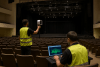
Verify microphone levels, speaker clarity, and streaming audio at least an hour before the event.
✔ Choose microphones based on the event format
Don’t assume a one-size-fits-all solution.
✔ Prioritize wireless systems for mobility
Avoid cable clutter and allow fluid stage movement.
✔ Use backup microphones
Always keep a spare handheld and lavalier ready.
✔ Hire experienced audio technicians
Expertise matters — especially in large-scale or hybrid events.
The Future of Event Audio
The next wave of audio innovation will include:
-
AI-driven real-time audio correction
-
Voice biometric authentication during check-in
-
Multi-language automatic live translation
-
Metaverse-ready 3D audio streaming
-
Automated mic leveling for hybrid events
As events become more immersive and technology-driven, audio systems will play an even larger role in shaping attendee experience.
Conclusion
Event microphones and audio systems may not always be visible, but they are undeniably the heartbeat of communication. They shape how messages are delivered, how performances are felt, and how audiences connect with speakers.
In an industry where every second counts, investing in high-quality audio isn’t optional — it’s essential. As technology advances, microphones and sound systems will continue evolving into smarter, more adaptive, and more integral components of event success.
Clear sound creates powerful experiences — and powerful experiences are what unforgettable events are made of.