Introduction
In today’s digital-first world, events are no longer just about great venues, speakers, or entertainment—they’re about creating seamless, interactive, and data-driven experiences. The shift toward Smart & Connected Event Tech has completely redefined how event organizers manage logistics, enhance attendee engagement, and measure success.
Technologies like wearables, RFID (Radio Frequency Identification), and beacon systems are driving this transformation. From contactless check-ins and real-time analytics to personalized networking and engagement tracking, these innovations are setting new benchmarks for the modern event experience in 2025 and beyond.
What Is Smart & Connected Event Tech?
Smart & Connected Event Tech refers to the integration of intelligent, connected devices and systems that streamline event operations, enhance interactivity, and collect actionable data. It involves the use of technologies such as:
-
RFID badges and wristbands for seamless attendee tracking
-
Wearable devices for engagement and health insights
-
Bluetooth beacons for location-based communication
-
IoT sensors for crowd management and environmental monitoring
Together, these systems create an ecosystem where every touchpoint—entry, interaction, session participation, or networking—is connected, measured, and optimized for better event outcomes.
The Core Technologies Driving Smart & Connected Event Tech
1. Wearable Event Technology
Event Wearables are perhaps the most visible form of Smart & Connected Event Tech. From RFID-enabled wristbands to smart badges and lanyards, these devices do more than just identify attendees—they become tools for engagement, personalization, and safety.
Common Types of Event Wearables:
-
RFID Wristbands: Used for access control, contactless payments, and attendee tracking.
-
Smart Badges: Contain embedded chips or QR codes to exchange contact details and record session attendance.
-
Health & Fitness Trackers: Used in large-scale events or conferences to monitor attendee well-being and comfort.
Benefits of Event Wearables:
-
Streamlined Entry & Access Control: Attendees can enter venues or restricted areas with a simple tap.
-
Cashless Transactions: Integration with digital wallets allows purchases at food stalls or merchandise counters.
-
Enhanced Networking: Smart badges can automatically share business information when attendees meet.
-
Real-Time Data Collection: Organizers can monitor attendee flow, dwell times, and engagement patterns.
Wearables are becoming an integral part of event identity—both a practical tool and an interactive medium for connection.
2. RFID (Radio Frequency Identification)
RFID technology is one of the foundational components of modern event management. Using radio signals to transmit data between tags and readers, RFID enables fast, contactless communication without the need for manual scanning.
Applications of RFID in Events:
-
Access Management: Replace traditional ticketing with RFID-enabled wristbands or badges for faster entry.
-
Session Tracking: Automatically log attendee participation at workshops or sessions.
-
Merchandise & Inventory Management: Track promotional items and event materials efficiently.
-
Cashless Payments: Attendees can preload credits to their RFID wristbands for on-site purchases.
-
Security & Safety: RFID zones help track crowd density and ensure safe evacuation during emergencies.
Why RFID Matters:
RFID not only improves convenience but also generates valuable behavioral data. Event organizers can analyze attendance trends, popular sessions, and booth interactions to make informed decisions and improve ROI.
3. Beacon Technology
Beacon technology is a small Bluetooth-enabled devices that transmit signals to nearby smartphones or tablets. When integrated into Smart & Connected Event Tech, they allow organizers to send personalized notifications, track attendee movements, and create location-aware experiences.
How Beacon Systems Work:
When a device enters a beacon’s range, it triggers an automated action—such as sending a welcome message, promoting a nearby booth, or logging the user’s location data anonymously.
Event Applications:
-
Indoor Navigation: Guide attendees through large conference halls or exhibition spaces.
-
Targeted Messaging: Deliver relevant information or offers based on location.
-
Proximity-Based Networking: Suggest potential connections nearby.
-
Heat Mapping: Understand attendee distribution across event areas.
Beacons bridge the digital and physical worlds, turning static environments into interactive, data-rich ecosystems.
Click here to learn about Race Timing Software and NFC Systems for Seamless Check-Ins and Access Control.
How Smart & Connected Event Tech Enhances Attendee Experience
1. Seamless Registration & Check-In
Gone are the days of long queues and manual verifications. Smart wearables and RFID race timing systems allow for instant, contactless entry—scanning badges or wristbands automatically checks in attendees and updates their profiles in real time.
2. Personalized Experiences
With real-time data from beacons and wearables, organizers can tailor content, recommendations, and notifications for each attendee. Imagine receiving alerts for sessions that match your interests or discounts at your favorite booths—this is personalization powered by data.
3. Interactive Networking
Smart badges can automatically exchange contact information or connect attendees with shared interests. Networking apps integrated with RFID or beacon systems further enhance this by suggesting potential matches nearby.
4. Engagement Tracking
Event organizers can track how long attendees stay in specific sessions or booths, which activities attract the most engagement, and how crowd flow changes over time. These insights are invaluable for improving future events.
5. Safety & Crowd Management
In large-scale events, Smart & Connected Event Tech plays a vital role in ensuring safety. Real-time tracking allows for crowd density monitoring, emergency notifications, and even contact tracing in health-conscious environments.
Benefits for Event Organizers
Beyond enhancing the attendee experience, Smart & Connected Event Tech delivers measurable benefits to organizers:
-
Operational Efficiency: Automates check-ins, access control, and reporting.
-
Data Analytics: Provides deep insights into attendee behavior and preferences.
-
Cost Reduction: Reduces manual labor and minimizes paper or printed materials.
-
Sponsorship Opportunities: Brands can leverage real-time data for targeted advertising and engagement.
-
Post-Event Insights: Detailed analytics support better planning and content strategy for future events.
Data-driven decision-making has become a cornerstone of modern event success—and smart technology makes it possible at scale.
The Sustainability Advantage
In addition to efficiency and engagement, Smart & Connected Event Tech supports sustainable practices. RFID and wearable technologies eliminate paper tickets, printed schedules, and plastic passes. Digital data transfer reduces waste while offering reusable or recyclable tech materials for badges and wristbands.
Smart systems also optimize energy usage in lighting and HVAC based on crowd density—reducing the carbon footprint of large venues.
Real-World Applications of Smart Event Technology
1. Music Festivals & Large-Scale Events
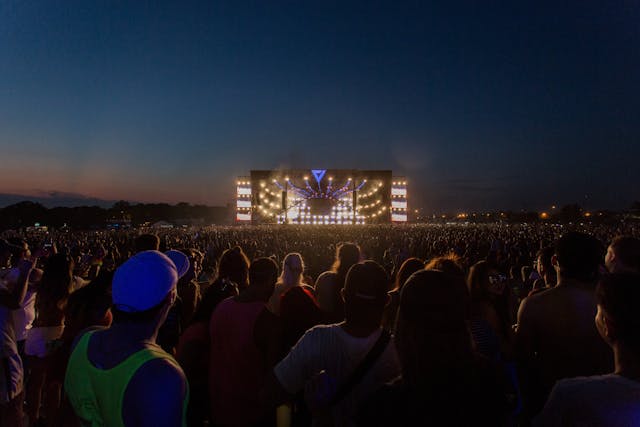
RFID wristbands are now standard at festivals worldwide, enabling cashless transactions, VIP access, and real-time crowd tracking. Organizers like Coachella and Tomorrowland use these systems to create safer, smoother experiences.
2. Corporate Conferences
Beacon technology enables personalized navigation and notifications. Attendees can find sessions easily, receive agenda updates, and connect with peers automatically.
3. Trade Shows & Exhibitions
Smart badges track booth visits and dwell time, giving exhibitors measurable ROI data. Beacon-based push notifications help brands attract nearby visitors.
4. Sporting Events
Wearables and RFID tags track athlete performance, crowd movement, and entry control, ensuring a secure and data-rich event environment.
The Future of Smart & Connected Event Tech
As technology evolves, the future of Smart & Connected Event Tech will focus on integration, automation, and intelligence. Here are some key trends shaping the next phase:
-
AI-Powered Personalization: Artificial Intelligence will analyze attendee behavior to deliver hyper-personalized recommendations and content.
-
IoT Expansion: Internet of Things devices will connect everything—from seats and screens to lighting systems—for real-time control.
-
Facial Recognition Access: Seamless biometric check-ins will replace wristbands and badges.
-
AR & VR Integration: Augmented and virtual reality experiences will create hybrid, immersive event environments.
-
Predictive Analytics: Using big data, organizers will anticipate trends, manage crowds, and optimize resource allocation in advance.
The goal is not just smarter events—but intuitive, adaptive, and emotionally engaging experiences where technology disappears into the background, leaving only the connection that matters.
How to Implement Smart Event Technologies Successfully
To make the most of Smart & Connected Event Tech, organizers should focus on:
-
Planning Integration Early: Choose compatible systems for registration, engagement, and analytics.
-
Data Security: Protect attendee data with strong encryption and compliance measures.
-
Clear Communication: Educate attendees on how wearable or RFID tech enhances their experience.
-
Reliable Connectivity: Ensure robust Wi-Fi and network infrastructure for real-time data exchange.
-
Post-Event Analysis: Use data to improve future event design, content, and logistics.
With the right strategy, smart event technology becomes more than a tool—it becomes an extension of the event’s purpose.
Summary of Smart & Connected Event Tech
As events evolve into dynamic, interactive ecosystems, Smart & Connected Event Tech has become the backbone of innovation. Wearables, RFID, and beacon systems enable seamless operations, personalized engagement, and data-driven insights that redefine event success.
In 2025 and beyond, smart event technologies will not only enhance efficiency and engagement but also create sustainable, inclusive, and memorable experiences for attendees worldwide. By embracing these connected systems, event organizers can transform ordinary gatherings into extraordinary, intelligent experiences.