Introduction
In the realm of audio technology, the need for high-quality sound reproduction has never been more critical. Whether it’s for a live concert, a recording studio, or a home theater setup, professional audio solutions are essential for ensuring that the sound experience is nothing short of extraordinary. These solutions encompass a wide range of equipment and technologies that allow sound engineers, musicians, and home theater enthusiasts to create and enjoy crystal-clear audio, whether on stage, in a controlled studio environment, or within the comfort of their home. This article will explore the different professional audio solutions available for concerts, studios, and home theaters, breaking them down into their essential components and providing examples of best practices.
Professional Audio Solutions for Concerts
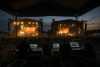
Live sound reinforcement in concerts requires specialized audio solutions that ensure consistent audio quality, clarity, and coverage across large venues. These solutions must handle the challenges posed by acoustically challenging environments, crowd noise, and the need for scalable sound systems. Key components for professional audio solutions in concerts include:
PA Systems (Public Address Systems): A high-quality PA system is the backbone of any live concert. It is designed to amplify the sound so that it is clearly audible to everyone in the audience, regardless of their seating position. These systems are made up of several components:
- Microphones: Capture the sound from performers or instruments.
- Mixing Consoles: Allow sound engineers to control and mix the audio signals.
- Power Amplifiers: Boost the audio signal for loud, clear output.
- Speakers: Deliver the sound to the audience.
- Subwoofers: Enhance low-frequency sounds, providing deep bass.
Sound Reinforcement Systems: These systems are designed to ensure that the audio can reach every corner of a venue. This is particularly important in large concert halls, outdoor festivals, or arenas. Some key components here include:
- Line Array Systems: Advanced speaker configurations that provide even sound coverage over a wide area.
- Delay Towers: Used to ensure that sound reaches distant parts of the venue at the right time.
- Monitors: Speakers used by performers to hear themselves clearly on stage.
Wireless Audio Systems: For concerts, it is often necessary to use wireless microphones and instruments to allow performers to move freely. Wireless systems ensure seamless performance without the hassle of cables while maintaining audio integrity.
Professional Audio Solutions for Studios
In a recording studio, the focus is on achieving the highest possible fidelity in capturing and mixing audio. Professional audio solutions for studios require precise equipment designed to work together to create pristine sound recordings. These solutions are typically more controlled and focused on accuracy and clarity.
Microphones: In the studio, the microphone plays a crucial role in capturing sound. Different types of microphones serve different purposes:
- Dynamic Microphones: Suitable for high-pressure sound levels, ideal for live recording.
- Condenser Microphones: Provide greater sensitivity and are often used for vocals and acoustic instruments.
- Ribbon Microphones: Offer a smooth, vintage sound, perfect for specific recording conditions.
Mixing Consoles: A mixing console in the studio allows for precise control over multiple audio sources. These consoles provide individual channels where different instruments or voices are mixed, processed, and balanced to achieve the desired sound.
Studio Monitors: Unlike consumer-grade speakers, studio monitors are designed for accurate sound reproduction with minimal distortion. Flat frequency response ensures that the sound is as true to the original recording as possible.
Audio Interfaces: These devices act as the bridge between analog sound sources (like microphones and instruments) and digital audio workstations (DAWs). Audio interfaces are crucial for ensuring high-quality recording and playback.
Acoustic Treatment: Acoustic panels and diffusers are used to improve the acoustic environment of the studio. They control sound reflections and reverberation, ensuring that the audio captured is not influenced by the room’s acoustics.
Professional Audio Solutions for Home Theaters
Home theaters have become increasingly popular as people seek immersive entertainment experiences within their own homes. Professional audio solutions for home theaters aim to create high-quality sound systems that deliver cinematic audio reproduction. Components of a professional home theater system include:
AV Receivers: The AV receiver is the central hub of a home theater system. It processes audio and video signals and powers the speakers. Most AV receivers support advanced surround sound formats like Dolby Atmos and DTS:X, creating a 3D audio environment.
Speakers: Home theater systems typically consist of multiple speakers, including:
- Front Speakers (Left, Center, Right): These handle the main audio for dialogue and music.
- Surround Speakers: Located around the viewer, these speakers provide immersive sound for effects and ambient noise.
- Subwoofer: Enhances low-frequency effects, producing deep bass for explosions and other low-end sounds.
Soundbars: A soundbar is a more compact option for home theater enthusiasts with limited space. Modern soundbars support advanced sound processing technologies and can even simulate surround sound for a more immersive experience.
Streaming Audio Solutions: For modern home theaters, streaming services provide high-quality audio formats like Dolby Atmos, allowing users to enjoy immersive sound from movies, TV shows, and music.
Room Calibration Systems: Many home theater systems come with room calibration tools that optimize audio settings based on the room’s acoustics, ensuring the best sound experience possible.
Comparison of Key Components in Professional Audio Solutions
Here’s a quick comparison table of essential components across concerts, studios, and home theaters:
| Component | Concerts | Studios | Home Theaters |
| Microphones | Wireless and wired mics | Condenser, dynamic, ribbon mics | Used for recording or voice-over |
| Mixing Consoles | Large format for live sound | Compact, digital consoles | Simplified for ease of use |
| Speakers | PA system speakers, subwoofers | Studio monitors (flat response) | Front, surround, and subwoofers |
| Audio Interfaces | Not typically used | Essential for recording | Not required (AV receiver handles this) |
| Room Acoustics | Focus on sound reinforcement | Critical for mixing accuracy | Room correction systems and soundproofing |
Summary of Professional Audio Solutions
The world of professional audio solutions is vast and multifaceted, ranging from the dynamic, live environments of concerts to the controlled, precision-driven atmosphere of studios and the immersive sound experiences sought after in home theaters. Each application requires specific equipment and technologies tailored to the unique needs of the environment. By understanding the various components—ranging from microphones and speakers to mixing consoles and room acoustics—sound engineers and enthusiasts can ensure that they are delivering or enjoying the highest quality audio possible, no matter the setting. Whether it’s for a live show, a recording session, or the perfect home theater experience, professional audio solutions remain a cornerstone of high-quality sound production and consumption.
YouTube Videos on Professional Audio Solutions
Academic References for Professional Audio Solutions
- [BOOK] Home theater for dummies
- Live mediation: Performing concerts using studio technology
- [BOOK] Recording studio design
- Mix smart: Professional techniques for the home studio
- The impact of technological advances on recording studio practices
- In Concert with…: Concert Audio Engineers and Arena Sound Systems, 1965-2018
- [BOOK] Sound reproduction: the acoustics and psychoacoustics of loudspeakers and rooms
- [BOOK] The complete guide to game audio: For composers, musicians, sound designers, game developers
- [BOOK] Understanding audio: getting the most out of your project or professional recording studio
- [BOOK] Beyond the multiplex: Cinema, new technologies, and the home