Eco-conscious wedding demand reshapes venue and supplier choices
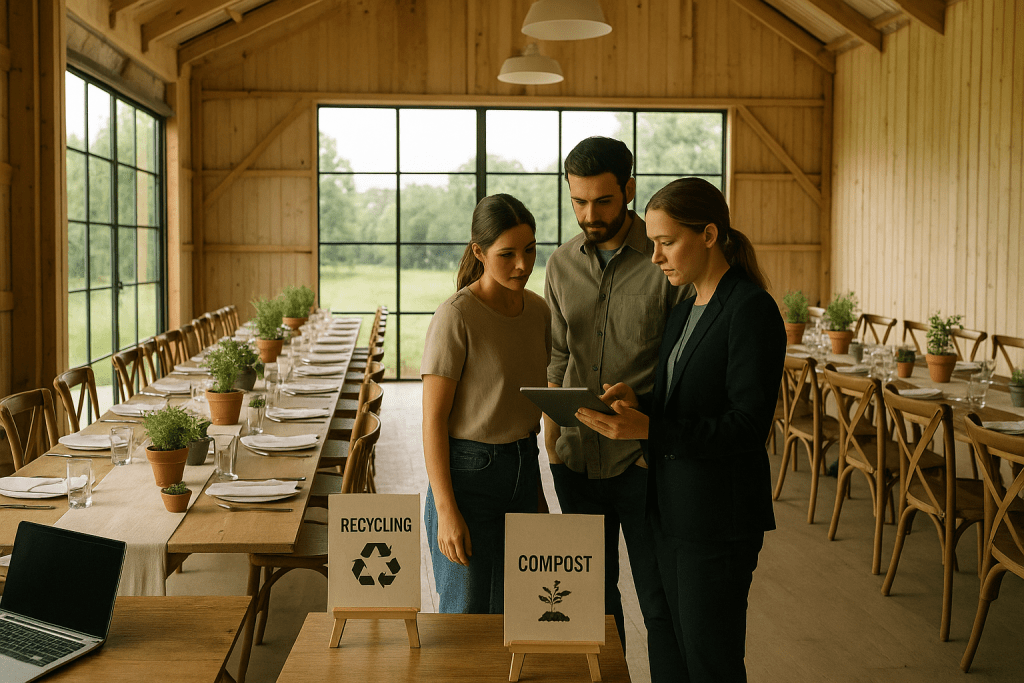
Environmental considerations are moving to the centre of wedding planning, with couples increasingly prioritising sustainability before they choose a venue, caterer or suppliers. Fresh search data spanning April 2025 to March 2026, covering 56 wedding-related keywords, indicates a clear and accelerating shift toward lower-impact celebrations.
The strongest increases are concentrated around three core decisions at the heart of every wedding: where the event takes place, what is served to guests, and how materials, décor and services are sourced and managed. This trend is redefining expectations for venues, caterers and event suppliers across the sector.
Background: sustainability moves from niche to norm
Over the past decade, sustainability has featured increasingly in the wider events sector, driven by corporate ESG policies, regulatory pressure and changing audience expectations. Weddings have historically lagged behind large business events in adopting formal sustainability frameworks, but consumer behaviour is catching up quickly.
Couples planning their weddings are now exposed to the same environmental conversations shaping other parts of daily life: carbon emissions, food waste, single-use plastics, ethical sourcing and the circular economy. As a result, environmentally responsible options are becoming less a specialist add-on and more a baseline requirement for many engaged couples.
The new search analysis suggests sustainability is no longer treated as an optional “nice to have” feature that is addressed late in the planning cycle. Instead, it is becoming a primary filter applied at the start of venue and supplier research.
Key developments in sustainable wedding planning
The 12-month search snapshot across 56 sustainability-related wedding terms points to several notable shifts in planning behaviour:
- Venue selection driven by environmental credentials: Searches are rising around eco-friendly venues, outdoor locations with minimal infrastructure needs, and properties that highlight certifications, renewable energy use or robust sustainability policies. Couples are also looking at accessibility by public transport and the potential to reduce travel-related emissions.
- Greater interest in sustainable catering: Data shows growing curiosity about plant-forward menus, local and seasonal sourcing, and approaches that reduce food waste. Couples are investigating options such as smaller plated portions, surplus redistribution, composting and reusable or biodegradable serviceware.
- Scrutiny of materials and décor: Search growth covers topics like rented décor, second-hand or rented attire, reusable florals, and reduced packaging. DIY elements using reclaimed materials and digital alternatives to printed items are also attracting more attention.
- Supplier selection based on sustainability policies: Photography, entertainment, production and transport suppliers are increasingly evaluated on their environmental practices, from travel policies to equipment choices and waste management.
While precise figures across the 56 keywords are not detailed publicly, the pattern of growth aligns with areas where couples can directly influence impact through their purchasing decisions and event design.
Industry impact: pressure and opportunity for venues and suppliers
This escalation in eco-conscious wedding planning is impacting the entire wedding value chain. Venues, caterers, production companies and specialist wedding suppliers are all encountering more detailed questions about their environmental performance during early sales conversations.
For venues, this means that traditional differentiators such as capacity, style and price are now accompanied by scrutiny over energy sources, waste handling, water use, and partnerships with local or sustainable suppliers. Properties lacking clear policies or data may find themselves at a disadvantage when couples shortlist options online.
Caterers are likewise being asked to demonstrate how far ingredients travel, whether menus can adapt to lower-carbon options, and how leftover food is handled. Suppliers using disposable materials or resource-intensive processes are under pressure to adapt or risk losing business to more sustainable competitors.
At the same time, this shift opens new commercial opportunities. Providers that can clearly articulate verifiable sustainability measures – and package them in ways that are understandable to non-expert consumers – can differentiate themselves in a crowded market. Partnerships with local producers, rental-focused businesses and circular-economy suppliers are becoming more strategically valuable.
Why this matters for event professionals and technology providers
For event professionals working in or alongside the wedding sector, the rise of sustainable weddings has several practical implications.
- Data and transparency requirements: Couples are no longer satisfied with vague statements about being “green”. They are looking for tangible evidence and practical options. Event professionals will need better access to data on venue performance, supplier practices and lifecycle impacts, and the ability to communicate this in a clear, comparable way.
- Role of digital tools: Event technology platforms that support wedding planning can play a bigger role in guiding sustainable choices. Features such as carbon or travel impact estimators, filters for certified suppliers, digital guest communications, and waste-tracking integrations can support couples and planners alike.
- Supplier discovery and matchmaking: Marketplaces and planning platforms that allow couples to search specifically for sustainability criteria – for example, local sourcing, renewable energy use or waste reduction policies – are likely to gain relevance. Tags, badges and verified profiles could become standard.
- Education and training: Planners and venues may need additional training on sustainability frameworks, certifications and reporting, so they can respond confidently to client questions. Technology providers can assist by embedding guidance, templates and best-practice workflows into their tools.
For technology companies serving the broader events ecosystem, the wedding segment represents a large and emotionally driven market where sustainability expectations are converging with digital-first behaviours. As couples conduct more research online before engaging suppliers, discoverability and environmental messaging within digital platforms become critical.
Conclusion
The latest search trends confirm that sustainable weddings have moved decisively beyond a short-term fashion. Environmental impact is being considered at the earliest stages of planning, particularly around venue choice, food and supplier selection. This behavioural shift is reshaping how venues position themselves, how caterers design menus, and how the wider supplier network presents its services.
For event professionals and technology providers, the message is clear: sustainability must be integrated into products, services and digital tools as a core design parameter, rather than an afterthought. Those who can respond with transparent information, credible options and user-friendly planning support will be better placed to meet the expectations of the next generation of couples planning their weddings.