Wilson creates tennis-inspired retail pop-ups in Paris during tournament season

Background and context
During this year’s peak tennis season in Paris, Wilson expanded its presence in the city beyond the courts by opening two temporary retail experiences. The initiative coincided with the major clay-court tournament, aiming to connect with both tennis fans and style-conscious visitors.
Pop-up retail has become a common strategy for sports and lifestyle brands during major events, offering a way to test new concepts, showcase limited products, and create shareable in-person experiences. Wilson’s Paris project followed this trend, positioning tennis not only as a sport but as part of a broader lifestyle that touches fashion and design.
Key announcement
Wilson converted two well-known Paris retail locations into tennis-themed pop-up spaces that ran for roughly a month. Each site was designed around clay-court aesthetics, clubhouse-inspired interiors, and Parisian visual cues, creating a consistent narrative across the activations.
The spaces featured product displays linked to current tennis collections, including performance rackets, apparel, and accessories, alongside more fashion-forward items. The design language echoed details familiar to tournament attendees: clay-toned color palettes, court-line graphics, and materials evoking traditional club environments.
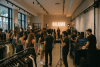
The pop-ups also functioned as experiential hubs rather than simple point-of-sale locations. Visitors could engage with interactive elements that highlighted product features and the brand’s tennis heritage, while curated visual merchandising placed gear and apparel within stylized, lifestyle-based settings.
According to Wilson, the aim was to bring aspects of the tournament atmosphere into everyday retail environments, offering Paris residents and tourists an accessible way to connect with the event. More information on Wilson’s tennis product range and brand initiatives can be found on the company’s official site at wilson.com.
Industry impact
For the event and experiential retail sector, Wilson’s Paris installations illustrate how brands are using temporary spaces to extend the life and reach of major sporting events. Rather than activating solely inside stadium precincts, brands are increasingly embedding themselves in urban retail districts frequented by both fans and the general public.
The concept also reflects the growing overlap between sports equipment, streetwear, and fashion. By framing tennis products within a stylized Parisian and clubhouse context, Wilson positioned its range as part of a lifestyle narrative, not just performance gear tied to a single tournament.
From a design perspective, the pop-ups highlight a preference for immersive but scalable environments: modular displays, strong visual themes, and photo-friendly vignettes that can be adapted or replicated in other markets aligned with major events.
Why this matters
For event professionals and experiential marketers, the Paris project underscores how sports-focused activations can reach audiences beyond ticket holders. Strategically timed pop-ups can complement official tournaments, drive retail traffic, and create additional touchpoints for fan engagement in city centers.
It also suggests opportunities for collaboration between brands, venues, and local businesses. Temporary spaces built around a strong narrative—here, clay courts and Parisian clubhouse culture—offer a flexible format for storytelling that can be localized for other host cities and sports.
As competition for attention intensifies around global sports calendars, similar initiatives are likely to grow, with brands using design-led pop-ups to bridge the gap between live events, retail, and broader lifestyle positioning.