Spectera wireless system powers audio at 79th Tony Awards broadcast

Background and context
The 79th Tony Awards presented a demanding test case for modern RF coordination, with dozens of wireless channels in use across a live broadcast, red carpet coverage, and a full evening of musical performances.
Major televised award shows increasingly depend on networked RF management to cope with dense spectrum use, interference risks, and fast show cues. At this year’s ceremony, the production team turned to Spectera, an IP-based wireless system from Sennheiser, in what the manufacturer describes as its largest U.S. broadcast deployment so far.
The show, staged in New York and broadcast nationally, required reliable wireless microphone and in-ear monitoring coverage for hosts, presenters, performers, stage managers, and backstage teams, all under tight time constraints and with limited available spectrum.
Key announcement
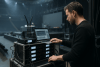
Sennheiser reports that Spectera was used as the core RF infrastructure for the 79th Tony Awards, handling the bulk of wireless audio channels for the main broadcast and related production areas. The deployment combined multiple Spectera receivers and transmitters with networked control and monitoring across the venue.
According to the manufacturer, the system supported a high channel count of digital wireless microphones and in-ear monitoring packs, coordinated through Spectera’s IP backbone. RF engineers and audio staff were able to monitor signal status, frequency usage, and battery performance from centralized control positions via networked software tools.
The configuration was designed to integrate with the show’s existing broadcast audio infrastructure, including mixing consoles, intercom, and routing equipment. Antenna distribution and zoning were planned to maintain coverage from the main stage to backstage, dressing rooms, and ancillary areas while minimizing the risk of dropouts in critical moments.
Sennheiser positions this project as a proof point for Spectera’s suitability for large-scale broadcast and live event applications. More technical details about the platform are available on the company’s official product pages at sennheiser.com.
Industry impact
Large award shows often function as real-world benchmarks for audio technologies under pressure, due to the combination of live performance, broadcast, and complex RF conditions. A successful high-density deployment suggests that IP-based wireless systems like Spectera are maturing beyond pilot projects into mainline production use.
For RF coordinators and broadcast audio teams, the reported deployment underscores several trends:
- Growing reliance on networked control for real-time RF management in crowded spectrum environments.
- Increased expectation that wireless systems can scale to dozens of simultaneous channels without compromising reliability.
- Closer integration between RF infrastructure and digital audio workflows used in broadcast trucks and production galleries.
The Tony Awards use case may also influence decisions by rental houses and production companies that support touring theatre, televised events, and large corporate shows, where similar RF challenges are common.
Why this matters
For event technology professionals, the 79th Tony Awards deployment highlights how RF planning and IP-based control are becoming central to delivering complex shows. As spectrum availability tightens in many markets, productions need tools that can manage high channel counts with greater visibility and flexibility.
Vendors and integrators watching the broadcast sector will likely see this as another signal that network-centric wireless platforms are moving into regular use, not just experimental roles. For venues and production teams, it points to the importance of robust network infrastructure, cross-department coordination, and RF expertise when designing future-ready systems.
While the Tony Awards represent a high-profile example, the same principles apply to conferences, festivals, and corporate events: centralized monitoring, efficient spectrum use, and scalable wireless architectures are becoming key components of modern event audio.