SpectraLogic wireless system supports audio for Archbishop of Canterbury installation

Background and context
The installation of the Archbishop of Canterbury is one of the most high-profile services in the Church of England calendar, drawing senior clergy, state representatives and international media. Events of this nature place particular demands on audio, with spoken word clarity, musical performance, broadcast feeds and discreet integration into a historic space all needing to be managed in parallel.
For the most recent installation service, AV and production company d&b solutions was tasked with delivering a robust, interference-resistant wireless system capable of handling multiple microphones and programme feeds without disrupting the visual character of the venue.
Key announcement
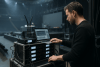
To meet those requirements, d&b solutions deployed Sennheiser’s Spectera wireless platform as the backbone of the RF infrastructure for the ceremony. The system was used for a combination of speech microphones, liturgical roles and musical elements, supporting both reinforcement inside the building and distribution to recording and broadcast positions.
According to Sennheiser, Spectera was selected for its wide tuning range and software-driven RF coordination tools, intended to help engineers navigate increasingly congested spectrum conditions at major events. The setup at the Archbishop’s installation reportedly involved multiple wireless channels operating simultaneously, with careful frequency planning to avoid interference from broadcast and local RF activity.
d&b solutions integrated the wireless system into a broader audio design that included loudspeakers positioned to be visually unobtrusive, while covering both the nave and areas reserved for invited guests and participants in the service. Redundancy in key audio paths and continuous RF monitoring were used to reduce the risk of dropouts during formal addresses and liturgical moments.
Sennheiser notes that the project also drew on its software ecosystem for coordination, monitoring and management of the wireless channels in real time. This allowed the engineering team to respond quickly to any changes in RF conditions during rehearsals and the main service.
Further technical information on the Spectera platform is available via Sennheiser’s official product pages at sennheiser.com.
Industry impact
While many houses of worship already rely on wireless audio, the scale and visibility of an Archbishop of Canterbury installation place additional pressure on reliability, intelligibility and spectrum efficiency. The use of a modern, software-assisted RF platform in this context reflects a broader shift in large-scale ecclesiastical and ceremonial events towards more sophisticated audio infrastructure.
Engineers working in similar environments often face constraints such as limited cable routing options, heritage protection requirements and widely varying speaker positions. Deployments like this one illustrate how current-generation wireless systems can help deal with those constraints while maintaining coverage for large congregations and media audiences.
The project also underlines the growing importance of RF planning skills in the event technology sector. As spectrum available to wireless microphones continues to shrink in many regions, tools that help coordinate large channel counts in crowded bands are becoming central to delivering high-profile events without technical interruptions.
Why this matters
For AV professionals, the deployment at the Archbishop of Canterbury’s installation highlights several ongoing trends: tighter integration between RF hardware and software; the need for flexible systems that can adapt to shifting spectrum regulations; and increasing expectations around audio quality for broadcast and streaming from religious and ceremonial venues.
For venue managers and event organisers in the house of worship and heritage sectors, the case demonstrates that it is possible to achieve high intelligibility and coverage in visually sensitive spaces by leaning on modern wireless platforms and careful system design. As more ceremonies are captured for online and broadcast audiences, interest in similar solutions is likely to grow across churches, cathedrals and other historic sites hosting large, televised events.