Hilton Birmingham Metropole marks 50 years of large-scale events
Hilton Birmingham Metropole is marking 50 years as one of the UK’s busiest conference and event hotels, using the anniversary to spotlight how large-scale event production has evolved on site and how its long-running technical partnerships are shaping the next phase of live and hybrid experiences.
The property, located next to the National Exhibition Centre (NEC) and close to Birmingham Airport, has hosted an extensive range of conferences, exhibitions, gala dinners and live productions over the last half-century. As part of its anniversary activity, the venue invited key technical partners to reflect on how its biggest spaces are being used today and what organisers now expect from a modern, production-ready event hotel.
Background and industry context
Over the past 50 years, the role of major conference hotels has shifted from simply providing function rooms and accommodation to acting as fully equipped production hubs. For many organisers, especially in corporate, association and entertainment sectors, a venue’s technical infrastructure and delivery model are now as important as its location or room count.
Hilton Birmingham Metropole has grown alongside this trend. Its large suites have long been used for national sales meetings, multi-day congresses, high-profile awards shows and staged productions that resemble arena shows more than traditional hotel conferences. The proximity to the NEC and strong transport links have reinforced its position as a central gathering point for UK and international events.
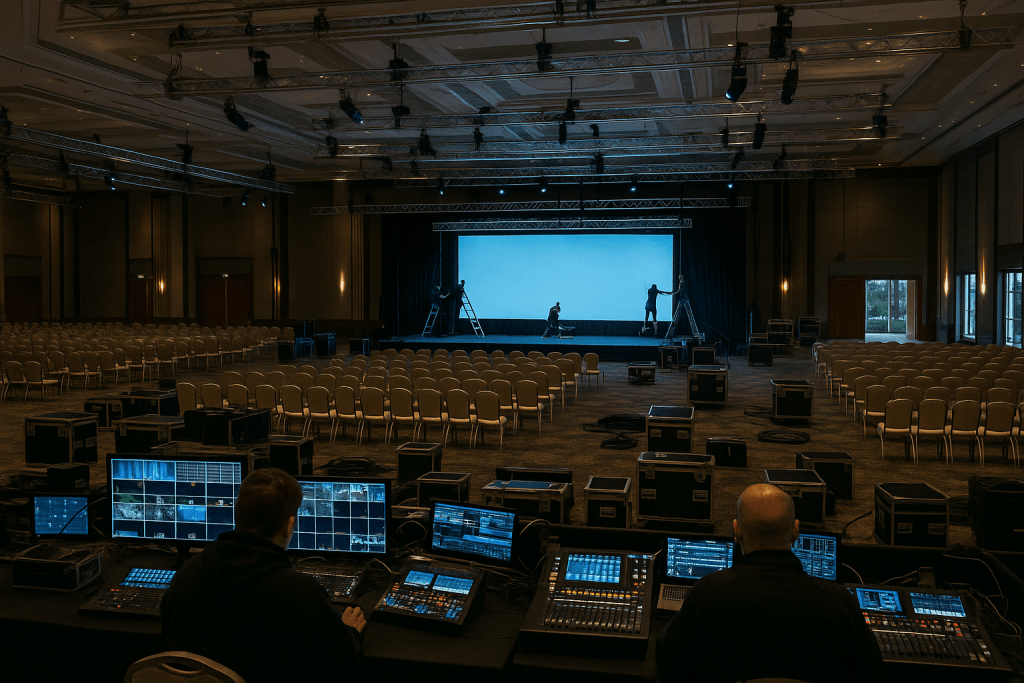
In parallel, the demands placed on in-house and resident technical teams have increased sharply. Event design now frequently features large LED walls, complex lighting, broadcast-standard audio, and hybrid or live-streamed delivery to remote audiences. Venues with the ability to integrate these requirements without excessive build time or additional infrastructure are at a competitive advantage.
Key developments and venue capabilities
In discussions to mark the anniversary, technical production specialists working at the hotel highlighted the scale and flexibility of the venue’s main event spaces – including the Monarch, King and Palace suites – and how they are used to deliver big-stage experiences.
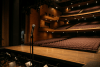
These suites can be configured for single plenary use, multi-room breakouts or large-scale banqueting, with capacities that allow for full set builds, extensive rigging and immersive environments. Organisers routinely use them for product launches, multi-screen presentations, and entertainment-led programs that require concert-style staging.
One of the operational advantages cited by production teams is the venue’s arena-style approach to load-in and load-out. Access routes and back-of-house areas are designed to support sizable equipment movements, enabling trucks to offload staging, truss, LED, sound and lighting systems more efficiently than is typical in many hotel environments. This infrastructure is particularly important when working to tight build schedules or when a room needs to be turned quickly between conference, exhibition and gala formats.
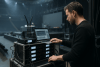
Technical partners also point to the longstanding on-site collaboration model as a key factor in the hotel’s ability to deliver complex shows. With teams permanently based at the venue, there is a shared understanding of room dimensions, rigging points, power distribution, acoustic characteristics and guest flow. This familiarity allows for more accurate pre-production planning and reduces technical risk on show days.
AV evolution and hybrid integration
The hotel’s 50-year story mirrors broader shifts in event technology. What began decades ago as relatively simple sound systems and projection has evolved into high-resolution LED walls, intricate lighting designs and multi-channel audio setups that can support both live audiences and broadcast outputs.
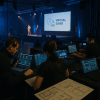
Resident technicians report a steady increase in demand for large-format LED installations in the main suites, replacing or augmenting traditional projection. LED walls are being used not only as primary presentation surfaces but also as scenic elements that can change the visual identity of a room between sessions, brands or event segments.
Hybrid event integration has become a core part of the technical offer. While the hotel continues to host substantial in-person audiences, organisers now expect straightforward options for streaming plenary sessions, recording keynotes, and connecting remote speakers. To meet this, production teams design shows with broadcast workflows in mind, incorporating camera positions, control rooms and connectivity into initial room plans rather than adding them later.
These setups often include dedicated fibre and network infrastructure, switched multi-camera coverage, and audio feeds tailored for both in-room and online participants. The resident technical presence at the venue allows for repeatable hybrid configurations, which can be scaled up or down depending on event size and budget.
Staffing strategies and on-site collaboration
As event formats have grown more complex, staffing models at large venues have also changed. The hotel’s partners describe a mix of core on-site technicians, project managers and engineers, supplemented by freelance specialists when productions require niche skills or additional capacity.
Having an embedded team enables faster response to last-minute changes, from schedule shifts to additional breakout spaces or altered stage layouts. It also supports consistent safety practices and technical standards across different events using the same rooms.
Pre-event planning typically involves joint site visits where organisers, production companies and the on-site technical team review room capabilities, ceiling heights, rigging load limits and backstage provisions. This collaboration is particularly important for productions using heavy LED, complex flown sets or large automation elements.
Industry impact
The way Hilton Birmingham Metropole has integrated large-footprint spaces, production infrastructure and resident technical expertise reflects a broader industry movement towards venues acting as full-service event platforms. For organisers, this can reduce the number of external suppliers required and simplify logistics, particularly when running multi-day events with dense agendas.
For technical providers, long-term venue partnerships offer a stable environment in which to invest in equipment, training and show-tested workflows. This arrangement can streamline both quoting and delivery because many technical variables – such as cable runs, rigging options and access constraints – are already well understood.
The venue’s approach also underlines the continuing convergence of hotel conferencing with traditional exhibition halls and arenas. By enabling arena-style load-ins and delivering stage productions that rival dedicated performance venues, large conference hotels are broadening the types of events they can realistically host.
Why this matters for event professionals and technology providers
For event planners, the Hilton Birmingham Metropole example highlights several practical considerations when selecting and designing for large venues:
- Technical readiness: Built-in infrastructure, from power and rigging to connectivity, can significantly cut setup time and risk.
- Hybrid by design: Venues that factor streaming, recording and remote speakers into room design can support more flexible audience strategies.
- Operational efficiency: Arena-style loading and knowledgeable resident crews make a difference when working to compressed build and de-rig schedules.
- Scalability: Suites that can switch between plenary, exhibition and gala formats within the same event programme offer budget and design flexibility.
For AV and production companies, long-term venue collaborations like those at the Metropole illustrate the value of investing in site-specific knowledge and repeatable technical frameworks. As hybrid and broadcast requirements become embedded in mainstream events, having pre-planned show templates for particular rooms can speed delivery and improve quality.
Conclusion
As Hilton Birmingham Metropole marks its 50th anniversary, the venue’s evolution from a large conference hotel into a high-capacity, production-oriented event hub encapsulates wider changes in the sector. Its combination of sizeable, flexible suites, arena-style logistics and embedded technical partnerships positions it to continue hosting large, complex events that blend live and digital elements.
For event professionals and technology providers, the story of the Metropole’s development underscores a key industry direction: venues are no longer just backdrops for events, but integral components of the production ecosystem, with infrastructure and expertise that can materially shape what is possible on the big stage.