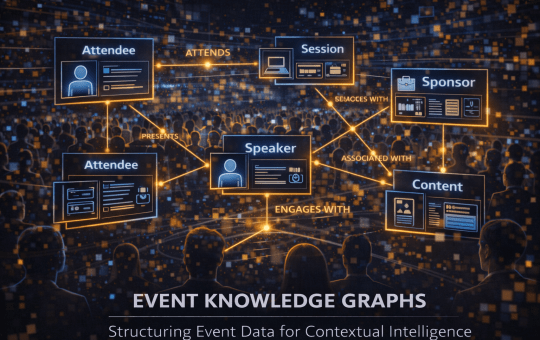
Event Knowledge Graphs: Structuring Event Data for Contextual Intelligence
Introduction: The Missing Layer in Event Intelligence Event technology has made significant progress in capturing and processing data. Registration systems,...

Event Tech Case Studies, Applications, Technologies, Directory, Manufacturers, jobs
Introduction: The Missing Layer in Event Intelligence Event technology has made significant progress in capturing and processing data. Registration systems,...
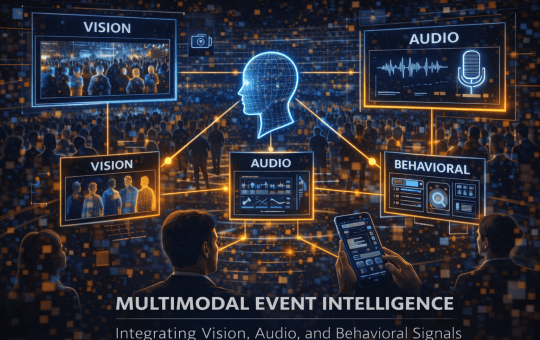
Introduction: Beyond Single-Channel Analytics Event technology has historically relied on discrete data streams—registration records, app interactions, or session attendance—to understand...

Introduction: The Shift from Platforms to Ecosystems Event technology has long been dominated by all-in-one platforms promising end-to-end functionality—registration, engagement,...
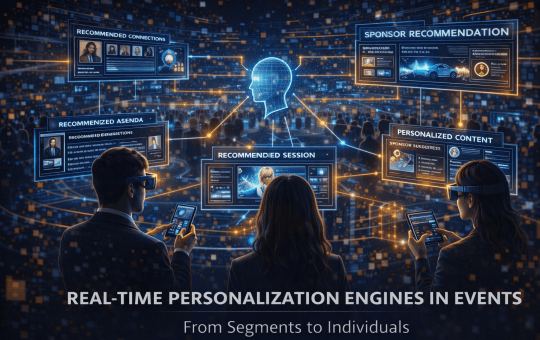
Introduction: The End of Static Personalization Personalization has long been positioned as a key differentiator in event experiences. Yet, in...

Introduction: Security as a System, Not a Layer Event technology has evolved rapidly, but security architectures have often lagged behind....

Introduction: The Limits of Human-Centric Networking Networking has long been positioned as one of the primary value drivers of events....

Introduction: The Transition from Interfaces to Environments For decades, digital interaction in events has been mediated through screens—mobile apps, kiosks,...
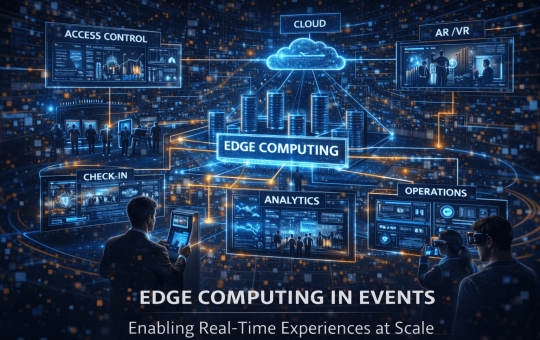
Introduction: The Latency Problem in Modern Event Environments As events become increasingly interactive and data-driven, the demand for real-time responsiveness...

Introduction: The Fragmentation Problem in Event Data Modern events operate across an increasingly complex technology stack. Registration platforms capture attendee...
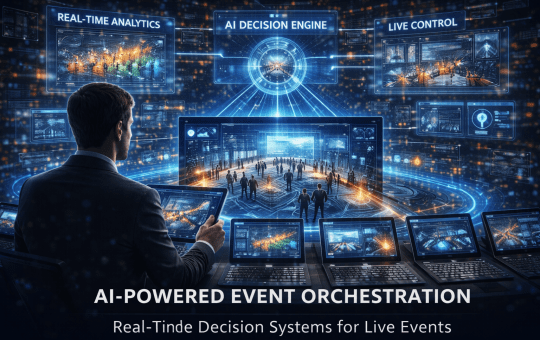
Introduction: From Static Runbooks to Adaptive Control Systems Live events have traditionally been managed through predefined runbooks—carefully planned schedules, staffing...
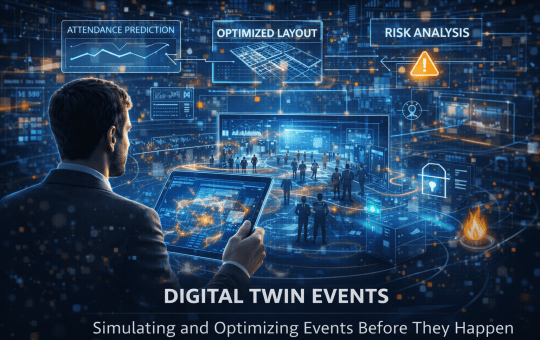
Introduction: From Static Planning to Predictive Event Engineering Event planning has traditionally relied on historical data, manual expertise, and static...

Introduction: Rethinking Identity in Data-Sensitive Event Environments As event ecosystems become increasingly digital, identity verification has become a foundational layer...

Introduction: From Monolithic Platforms to Composable Event Ecosystems Event technology stacks have traditionally evolved as monolithic platforms—single vendors offering bundled...

Introduction: From Descriptive Analytics to Intent-Aware Systems Event technology has historically focused on descriptive and, more recently, predictive analytics—tracking attendance,...

Introduction: The Shift from Physical Presence to Experiential Engagement For decades, sponsor booths have been the commercial backbone of conferences...

Introduction: From Flat Media to Spatial Experiences Event content has historically been constrained by two-dimensional formats—video recordings, livestreams, and photography....
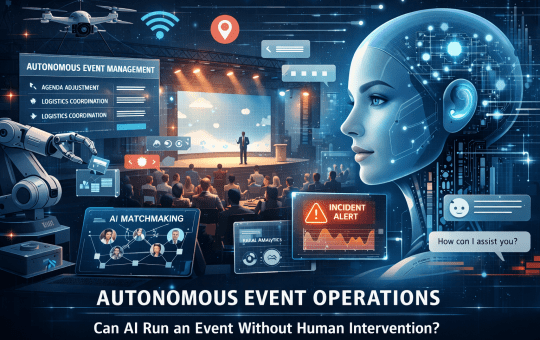
Introduction: From Assisted Automation to Autonomous Orchestration The event technology ecosystem has evolved from digitizing manual workflows to enabling intelligent...
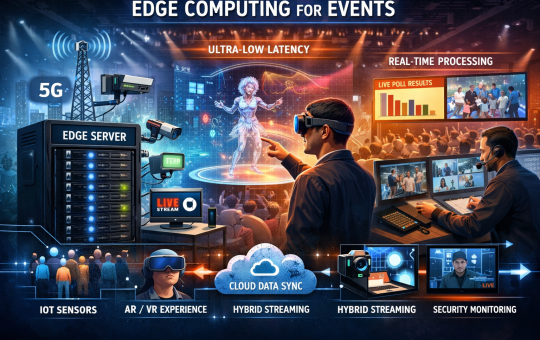
As event environments become increasingly data-intensive, the ability to process information in real time has become a critical requirement. From...
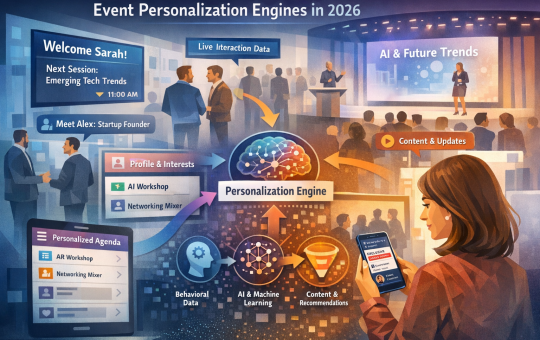
Personalization has moved from a marketing enhancement to a core operational requirement in modern event technology. In 2026, attendees no...
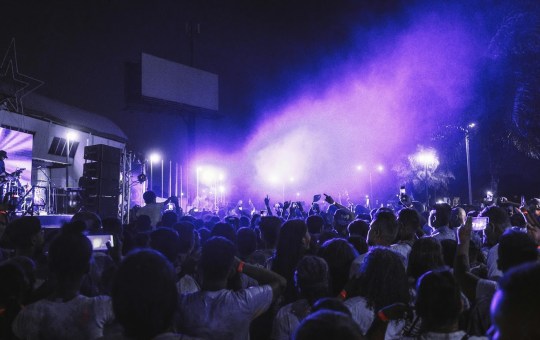
Reliable connectivity has become one of the most critical foundations of modern event operations. Conferences, exhibitions, festivals, and corporate summits...

Security has always been a fundamental component of event management, but the complexity of modern events has significantly increased the...
As event environments grow more complex, organizers require more advanced tools to monitor operations, anticipate disruptions, and coordinate large teams....
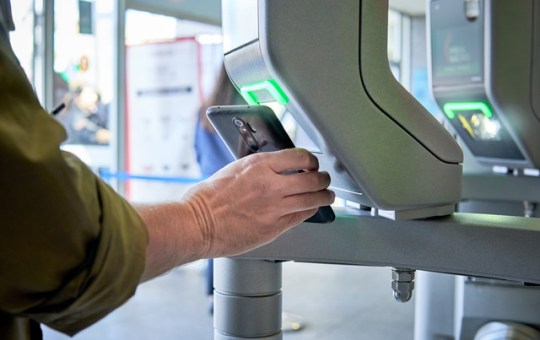
Accessibility has become a central pillar of modern event design. Conferences, trade shows, and corporate gatherings are no longer evaluated...

Ticketing has long been one of the most vulnerable aspects of event management. High-demand concerts, sports tournaments, conferences, and festivals...
For decades, the events industry focused on scale. Large conferences, trade shows, and global summits were often evaluated based on...

Sustainability has become a strategic priority for the global events industry. Governments, corporations, and attendees increasingly expect conferences, trade shows,...

Sponsor expectations have evolved significantly over the past decade. Organizations investing in conferences, trade shows, and corporate events no longer...

Wearable technology has become an essential component of modern event infrastructure. RFID badges, NFC wristbands, Bluetooth-enabled smart lanyards, and sensor-based...

The global shift toward stricter privacy regulations and growing consumer awareness of data usage has fundamentally changed how event marketers...

Event technology ecosystems in 2026 generate vast amounts of structured and behavioral data. Registration systems, access control platforms, wearable devices,...