Camera Drones in Events: From Aerial Footage to Intelligent, Autonomous Event Coverage
Camera drones have rapidly evolved from novelty gadgets into indispensable tools within the modern events industry. What began as a...

Event Tech Case Studies, Applications, Technologies, Directory, Manufacturers, jobs
Camera drones have rapidly evolved from novelty gadgets into indispensable tools within the modern events industry. What began as a...

Contactless technologies have become foundational to modern event design. As events scale in size, complexity, and expectations around seamless experiences,...

Near Field Communication (NFC) has become one of the most widely adopted short-range communication technologies in the world. In events,...

Radio Frequency Identification (RFID) has quietly become one of the most powerful enabling technologies in the global events industry. While...

The events industry is entering a phase where the distinction between physical and digital experiences is no longer clear-cut. As...

Extended reality technologies—Virtual Reality (VR), Augmented Reality (AR), and Mixed Reality (MR)—are reshaping how events are designed, delivered, and experienced....

Virtual Reality (VR) is no longer confined to gaming, experimental art installations, or novelty demonstrations. In the global events industry,...
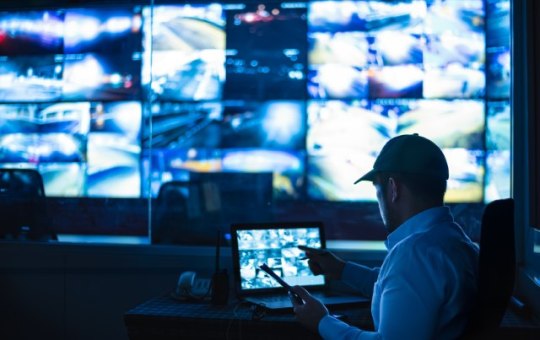
The events industry is undergoing a fundamental architectural shift. What was once a collection of disconnected tools—registration software, AV systems,...

The global events industry is undergoing its most profound transformation since the shift from analog to digital production. What was...

Introduction The events industry is entering a new era—one where platforms no longer just support events but actively orchestrate them....
Introduction Hybrid events have evolved from a temporary solution into a permanent event format. By combining in-person and virtual participation,...

Introduction As events become larger, faster, and more technology-driven, the need for secure identification, frictionless access, and real-time data visibility...
Introduction As events grow in scale, complexity, and technological sophistication, traditional planning and management methods are no longer sufficient. Organizers...

Introduction Modern events are no longer static gatherings—they are living, dynamic ecosystems shaped by real-time data, attendee behavior, and intelligent...

Introduction As events become larger, more complex, and increasingly data-driven, understanding where attendees are and how they move has become...

Introduction As events become increasingly international, multilingual communication is no longer optional—it is essential. Global conferences, government summits, corporate meetings,...

Introduction In any conference—whether corporate, academic, governmental, or hybrid—audio clarity is non-negotiable. No matter how advanced the visuals, lighting, or...

Introduction Augmented Reality (AR) has become one of the most powerful technologies reshaping the modern events industry. Unlike Virtual Reality,...
Introduction Projection mapping has become one of the most sophisticated and transformative storytelling tools in the event industry. While most...
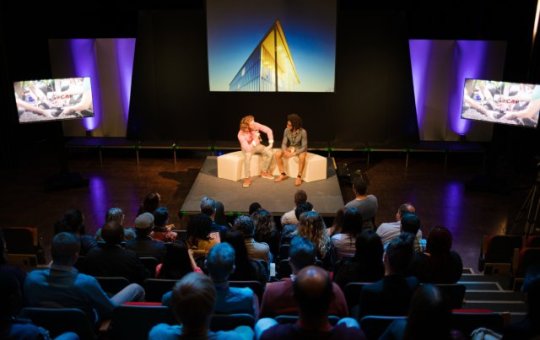
Introduction 3D projection technology has emerged as one of the most visually stunning and emotionally impactful innovations in the event...

Introduction Digital signage and interactive kiosks have become indispensable technologies in the modern event landscape. With venues becoming larger, schedules...
Introduction Wearable technology has evolved far beyond simple RFID wristbands. In today’s world of hyper-personalized, data-driven, and hybrid-ready events, wearables...

Introduction Drone light shows are redefining the art of large-scale visual entertainment. Once dominated by fireworks and static lighting effects,...
Introduction Artificial Intelligence (AI) has rapidly become one of the most transformative forces in the events industry. Among its many...

Introduction Hologram technology has transitioned from science fiction to a powerful and practical tool used across major events, conferences, concerts,...

Introduction Wearable technology has become one of the most transformative innovations in the events industry. What began as simple RFID...
Introduction The success of modern events is no longer measured only by attendance numbers—it’s measured by audience engagement. Whether at...
Introduction Augmented Reality (AR) has moved rapidly from futuristic novelty to a core component of modern event experiences. Unlike Virtual...

Introduction Virtual Reality (VR) has evolved from a niche gaming technology into a powerful tool for immersive storytelling, audience engagement,...
Introduction Projection mapping has become one of the most breathtaking and creatively flexible technologies used in modern events. Once limited...