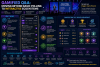
The Rise of the Tech-Powered Micro-Event: Scaling Down Size While Scaling Up Engagement

For decades, the events industry focused on scale. Large conferences, trade shows, and global summits were often evaluated based on the number of attendees, exhibitors, and sessions they hosted. Bigger events were assumed to deliver greater value because they offered broader networking opportunities and greater brand visibility.
However, the event landscape in 2026 is shifting toward a different model. Instead of prioritizing scale alone, many organizations are adopting micro-events supported by advanced event technology platforms. These smaller, highly focused gatherings emphasize deeper engagement, targeted audiences, and measurable outcomes rather than sheer attendance numbers.
Technology has played a central role in enabling this shift. Digital registration systems, AI-powered matchmaking, hybrid streaming tools, and data analytics platforms allow micro-events to deliver experiences that are both highly personalized and operationally efficient.
This article examines the growing role of tech-powered micro-events, the technologies that enable them, and why many organizations are integrating micro-event strategies into their broader event ecosystems.
Defining the Micro-Event Model
A micro-event is typically defined as a small-scale gathering designed for a specific audience segment or business objective. Attendance may range from a few dozen participants to a few hundred, depending on the format and industry.
Unlike traditional conferences that attempt to appeal to broad audiences, micro-events are designed around focused themes such as:
-
industry-specific roundtables
-
product launch demonstrations
-
executive networking sessions
-
specialized training workshops
-
regional community meetups
Because these events attract highly relevant audiences, participants often experience more meaningful interactions and conversations.
The Strategic Drivers Behind Micro-Events
Several factors have contributed to the growing popularity of micro-events.
One key driver is the increasing demand for personalized experiences. Large events can make it difficult for attendees to connect with the most relevant people or sessions. Smaller gatherings allow organizers to curate experiences tailored to specific interests.
Another factor is cost efficiency. Hosting a large conference requires significant investment in venue space, logistics, and marketing. Micro-events allow organizations to deliver targeted engagement with lower operational overhead.
Finally, advances in digital event technologies have made it easier to coordinate multiple smaller events across different locations while maintaining consistent branding and messaging.
Technology as the Foundation of Micro-Events
While micro-events emphasize human interaction, they rely heavily on technology to support planning, engagement, and analytics.
Key technologies that enable successful micro-events include:
-
cloud-based registration platforms
-
AI-powered networking tools
-
hybrid streaming infrastructure
-
event mobile applications
-
real-time analytics dashboards
These technologies allow organizers to deliver sophisticated experiences even with smaller audiences.
AI-Powered Networking and Matchmaking
One of the primary advantages of micro-events is the opportunity for high-quality networking. Artificial intelligence platforms help maximize these opportunities by analyzing attendee profiles and recommending meaningful connections.
AI matchmaking systems evaluate data such as:
-
professional roles and industries
-
stated business objectives
-
previous networking interactions
-
session participation patterns
Based on these insights, the system can recommend introductions between attendees who are likely to benefit from connecting.
This targeted networking approach often leads to more productive conversations than those typically found in large exhibition halls.
Personalized Agenda Design
Micro-events also benefit from highly customized programming. Instead of offering dozens of simultaneous sessions, organizers can design agendas specifically tailored to the interests of their audience.
Event technology platforms support personalized agenda creation through:
-
preference surveys during registration
-
AI-generated session recommendations
-
flexible scheduling tools
Because the audience is smaller, organizers can adjust programming dynamically based on participant feedback.
Hybrid Participation and Global Reach
Micro-events do not necessarily limit audience reach. Hybrid event platforms allow organizers to extend participation beyond the physical venue.
Remote attendees can join:
-
live-streamed sessions
-
virtual networking rooms
-
interactive Q&A discussions
Hybrid integration enables organizations to maintain the intimacy of small in-person gatherings while still reaching global audiences.
Data-Driven Event Optimization
Micro-events generate valuable engagement data that can guide future event strategies.
Event analytics platforms track metrics such as:
-
attendee participation in sessions
-
networking interaction frequency
-
engagement with digital content
-
feedback survey responses
Because the audience is smaller and more focused, these data insights often provide clearer signals about participant interests and behavior.
Organizers can use this information to refine future micro-events and identify topics that resonate most strongly with their communities.
Sponsor Opportunities in Micro-Events
Although micro-events have smaller audiences, they often deliver higher-quality engagement for sponsors.
Sponsors can participate through formats such as:
-
hosted roundtable discussions
-
product demonstrations
-
expert-led workshops
-
curated networking sessions
Because attendees are highly targeted, sponsors often interact with individuals who are more likely to become customers or partners.
This targeted exposure can produce stronger lead generation outcomes compared with large trade show environments where attendees may be overwhelmed by competing messages.
Community Building Through Recurring Micro-Events
Many organizations use micro-events as part of long-term community engagement strategies.
Instead of hosting a single large conference each year, companies may organize a series of smaller gatherings across different cities or regions.
These recurring events help maintain continuous relationships with participants and encourage ongoing knowledge sharing within professional communities.
Technology platforms support these strategies by maintaining attendee profiles and engagement histories across multiple events.
Operational Efficiency and Cost Control
From an operational perspective, micro-events often offer greater flexibility than large conferences.
Smaller venues are easier to secure, and logistics such as catering, transportation, and staffing are simpler to manage.
Event technology platforms also reduce administrative workload by automating tasks such as:
-
registration processing
-
communication with attendees
-
scheduling coordination
-
post-event reporting
These efficiencies allow event teams to focus more on experience design and participant engagement.
Measuring the Success of Micro-Events
Evaluating the effectiveness of micro-events requires different metrics than those used for large conferences.
Instead of focusing on attendance numbers alone, organizers may consider indicators such as:
-
networking interaction quality
-
participant satisfaction ratings
-
sponsor lead generation outcomes
-
repeat participation in future events
These metrics emphasize depth of engagement rather than scale.
Challenges in Micro-Event Strategy
Despite their advantages, micro-events also present challenges.
Organizers must carefully select audience segments and topics to ensure sufficient interest. Smaller attendance numbers also mean that marketing outreach must be highly targeted.
Additionally, managing multiple micro-events across different locations can create logistical complexity.
Technology platforms that centralize registration, communication, and analytics are essential for coordinating distributed event programs.
The Future of Micro-Events
As event technology continues evolving, micro-events are likely to become an increasingly important component of event portfolios.
Organizations may adopt hybrid strategies that combine large flagship conferences with smaller regional gatherings throughout the year.
Advances in AI-driven personalization, immersive technologies, and virtual collaboration platforms will further enhance the impact of these smaller events.
Rather than replacing large conferences entirely, micro-events will complement them by offering more focused opportunities for connection and learning.
Conclusion
Tech-powered micro-events represent a shift in how organizations approach audience engagement. By focusing on smaller, highly targeted gatherings supported by sophisticated event technology platforms, organizers can create experiences that emphasize meaningful interactions and measurable outcomes.
With the support of AI matchmaking, hybrid participation tools, and advanced analytics, micro-events allow organizations to scale engagement even while reducing physical event size.