ESSA confirms new board line-up after 2026 AGM
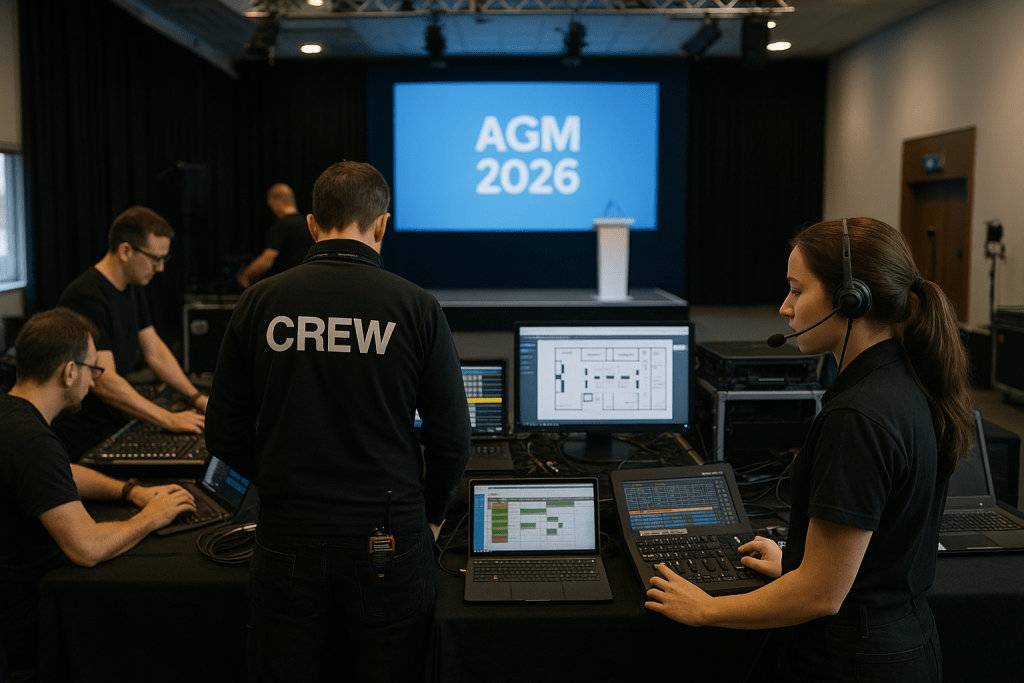
The Event Supplier and Services Association (ESSA) has confirmed a new board following its 2026 Annual General Meeting (AGM), setting the leadership framework that will shape the association’s activity over the coming year.
The board, formed of elected representatives from across the event supplier and services community, is responsible for steering ESSA’s strategy, industry engagement and member support at a time when event supply chains continue to evolve in response to market and regulatory pressures.
Background and industry context
ESSA represents companies that provide infrastructure, logistics, technology, and operational services to exhibitions, conferences and live events. These businesses form a critical part of the events ecosystem, underpinning venue build, technical delivery, health and safety compliance, and on-site services for organisers and exhibitors.
In recent years, the supplier and services segment has had to contend with changing health and safety expectations, labour and skills challenges, sustainability requirements, and the growing integration of digital and hybrid event formats. Trade associations such as ESSA play a central role in coordinating standards, advocating on behalf of members, and providing guidance and training as the market adapts.
Board elections at ESSA’s AGM are therefore a key mechanism through which members influence how the association responds to these external pressures and supports operational resilience across the sector.
Key developments from the 2026 AGM
At the 2026 AGM, ESSA members confirmed a refreshed board structure made up of elected individuals drawn from a range of event supplier and service provider businesses. These board members serve in a representative capacity, tasked with acting on behalf of the wider membership rather than their own organisations.
The new line-up is expected to focus on several enduring priorities for the supplier community, including improving working standards, strengthening commercial resilience, and supporting a sustainable pipeline of talent entering the industry. The board will also oversee ESSA’s programme of initiatives, from training and accreditation through to industry-wide campaigns and collaborative projects with partner associations in the events sector.
While specific appointments and officer roles were determined as part of the AGM process, the underlying governance model remains unchanged: board members are elected by the membership and are accountable for setting strategic direction, monitoring progress against ESSA’s objectives, and ensuring the association continues to reflect the needs of companies operating across the event supply chain.
Industry impact of ESSA’s leadership
For suppliers and service providers, ESSA’s governance decisions can influence how the sector responds to operational, regulatory and commercial challenges. A board drawn from active industry practitioners provides a channel for real-world concerns to be translated into guidance, campaigns and resources.
In practical terms, ESSA’s leadership typically engages with topics such as health and safety best practice on show floors, contractual standards, subcontracting and labour models, and the adoption of new technologies in areas like build and breakdown, rigging, AV, and logistics. It also has a role in fostering collaboration between suppliers, venues, and organisers to improve efficiency and mitigate risk.
The updated board will be responsible for maintaining and evolving these workstreams, ensuring that guidance remains relevant to current trading conditions and that members have a voice in broader conversations across the events and exhibitions ecosystem, including where policy or regulation may affect operational delivery.
Why this matters for event professionals and technology providers
For event professionals, particularly organisers and venue operators, the composition and focus of ESSA’s board has practical implications. A strong representative body for suppliers can contribute to more consistent service standards, clearer communication channels, and a common understanding of expectations around safety, sustainability and technical delivery.
Technology providers working with or within the supplier community also have a stake in the association’s direction. As digital infrastructure, data, and hybrid event models become more embedded in build and delivery workflows, ESSA’s leadership can help shape how new tools are evaluated, implemented and integrated into existing operational frameworks. This includes considerations around training, interoperability, and the impact of technology on onsite staffing and logistics.
Furthermore, as event supply chains engage with issues such as carbon reporting, circular economy principles, and more efficient use of materials and equipment, the association’s board is positioned to influence sector-wide approaches and help members navigate changing buyer expectations.
Conclusion
ESSA’s confirmation of a new board following its 2026 AGM marks the start of another governance cycle for one of the key representative bodies in the UK event supply and services market. While the underlying mission of the association remains consistent, the refreshed leadership team will be responsible for interpreting current industry conditions and shaping how ESSA supports its members in the year ahead.
For suppliers, service providers, organisers, and technology firms alike, the board’s decisions and priorities over the coming months will help define best practice, encourage collaboration across the value chain, and provide a forum through which operational and strategic challenges can be addressed at an industry level.