Visit Lauderdale explores experiential storytelling for IPW 2026 closing event
Background and context
IPW, the U.S. Travel Association’s flagship trade show, is a key marketplace for destinations, travel brands, and event organizers. Each year, the host destination has an opportunity to showcase its story through large-scale activations and closing events.
For the 2026 edition, Visit Lauderdale is planning a closing carnival-style experience that leans heavily on nostalgia and Americana themes. The concept aligns with wider programming around the upcoming 250th anniversary of the United States in 2026, which many destinations are already using as a framework for new campaigns and events.
While full technical details are still emerging, the project reflects a broader trend: major destination marketing organizations are increasingly using immersive, tech-enabled storytelling to differentiate their host-city experiences at trade shows.
Key announcement
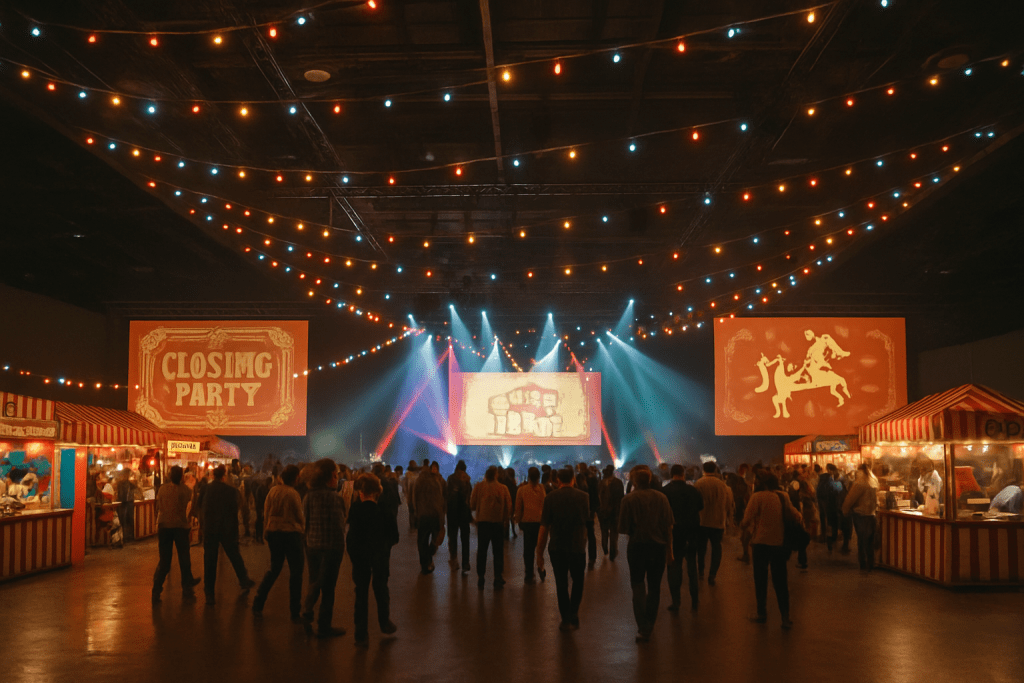
Visit Lauderdale, the official tourism marketing organization for Greater Fort Lauderdale, is developing a themed closing event for IPW 2026 positioned as a classic American carnival. The experience is designed to evoke familiar cultural touchpoints from mid-20th-century Americana while integrating contemporary live event production.
The carnival concept is expected to combine traditional fairground elements—such as games, food, and entertainment—with modern staging, lighting, and audio-visual systems. The goal is to create a cohesive narrative that connects Greater Fort Lauderdale’s identity with the larger storyline of America’s 250th anniversary.
According to Visit Lauderdale, the event will be built around moments of shared nostalgia, using visual design, music, and interactive zones to bridge generational experiences. This approach is intended to resonate with an international audience of travel buyers and media, many of whom may have their own perceptions of Americana shaped by film, television, and pop culture.
More information on Visit Lauderdale’s wider initiatives is available via its official website at visitlauderdale.com.
Industry impact
For event professionals and destination marketers, the IPW 2026 closing carnival illustrates how large-scale trade show events are evolving from straightforward receptions into deeply produced experiential environments.
- Layered storytelling: The use of Americana and the U.S. semiquincentennial as a unifying narrative shows how historical milestones can serve as the backbone for event themes that span décor, content, and activations.
- Hybrid creative teams: Projects of this scale typically require collaboration between destination marketing organizations, production companies, designers, and AV specialists. That collaboration often drives demand for more integrated technical workflows.
- Tech-enabled nostalgia: While the aesthetic references the past, the execution relies on current technologies—LED displays, immersive audio, programmable lighting, and content design—to reinterpret familiar motifs for a trade show audience.
For suppliers in lighting, staging, projection, and interactive media, such themed closing events represent growing opportunities to design cohesive experiences that go beyond standard gala formats.
Why this matters
As global trade shows compete for attention and destinations seek more distinctive ways to communicate their brand, closing events are becoming strategic storytelling platforms rather than simple end-of-show parties.
The Visit Lauderdale IPW 2026 concept highlights several broader shifts:
- Experience design is increasingly narrative-driven, with history and culture used as frameworks for both physical and digital elements.
- Event technology is being deployed less as a standalone attraction and more as an invisible layer that supports mood, emotion, and place-making.
- International buyers now expect host destinations to demonstrate creativity and production value that can translate into future events in that market.
For the event technology sector, the project underscores a continuing move toward immersive, story-rich environments at B2B gatherings. As the 250th anniversary approaches, similar history-based, tech-supported experiences are likely to feature prominently at conferences, festivals, and citywide events across the United States.