Hospitality group tests artist-inspired concert menus at Toronto stadium
Background and context
As concert experiences become more immersive, stadium operators are looking beyond sound and lighting to differentiate their offerings. Food and beverage programs, once largely standardized, are increasingly being tailored to align with specific events, audiences, and artist brands.
In Toronto, Rogers Stadium is among the venues testing this idea. Its hospitality partner, Liberty Oak View Entertainment, is experimenting with menus that change based on the touring acts performing in the building, rather than relying on a single season-long selection.
The approach reflects a wider trend in live events: treating food and drink as part of the overall show experience, rather than a standalone amenity. It also aims to capture higher per-guest spending in a competitive entertainment market.
Key announcement
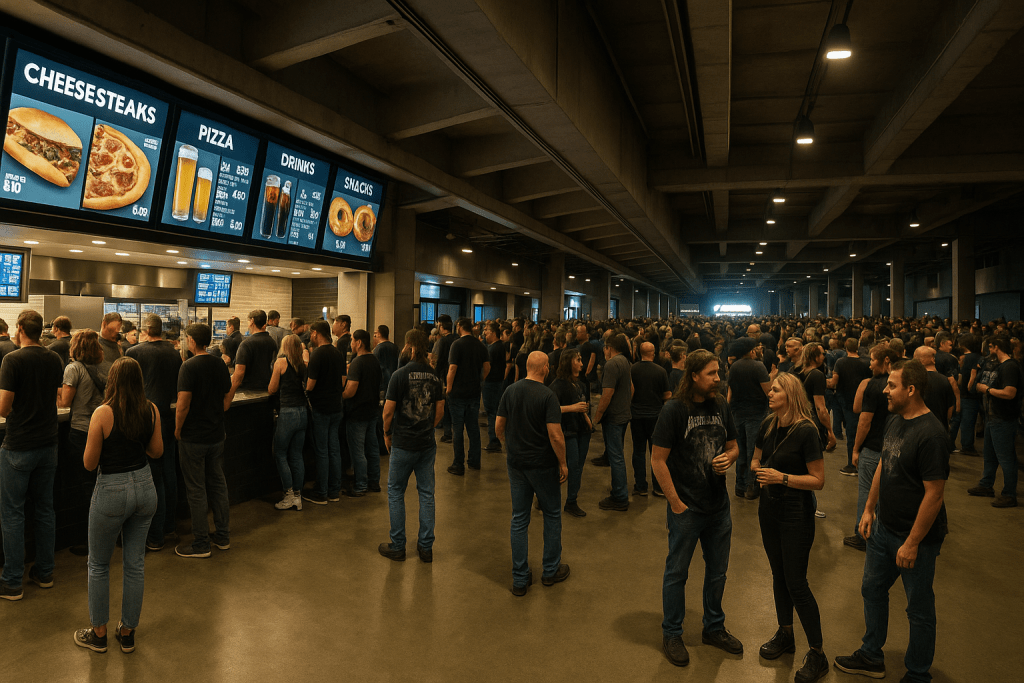
Liberty Oak View Entertainment has introduced concert-specific food and beverage concepts at Rogers Stadium for the current season. Menu items are being designed to echo the style, geography, or fan base of the headlining performers appearing at the venue this summer.
Instead of a static offering, certain concessions and premium areas now feature rotating dishes and cocktails that tie into themes associated with particular artists or tours. That could include regionally inspired flavors, playful nods to song titles, or cuisine connected to the artist’s background.
The program is being treated as a live test: the company is tracking sales, guest feedback, and operational impact across different show nights. Findings will help determine whether similar models could be rolled out at other arenas and stadiums managed by the group.
According to Liberty Oak View Entertainment, the goal is not only to create novelty but to use data from specific audiences—such as age ranges, music genre preferences, and expected dwell times—to adjust price points, portion sizes, and product mixes. More information on the company’s venue services and programs is available through its official site at libertyoventertainment.com.
Industry impact
If successful, this type of concert-driven menu strategy could influence how large venues plan F&B for tours, residencies, and multi-night runs. Rather than treating food service as generic, operators may increasingly build custom packages connected to each show.
For event producers and promoters, the model opens new collaboration options. Artist teams might work with venue caterers to co-create signature items, limited-time offerings, or themed hospitality zones that align with tour branding.
- Data from POS systems can be mapped against specific concerts and demographics.
- Inventory planning can be adjusted to expected audience behavior by genre.
- Premium and VIP areas can be differentiated through higher-concept, artist-aligned menus.
Vendors and suppliers may also see changes in demand, as venues seek more flexible, small-batch items that can be swapped in and out between events without major disruption.
Why this matters
For the event technology and live entertainment sector, Liberty Oak View Entertainment’s initiative underscores how granular data and audience profiling are reshaping on-site experiences. While lighting, staging, and video production often get the most attention, food and beverage is another touchpoint where personalization can directly influence satisfaction and revenue.
Concert-goers increasingly expect experiences that feel tailored to the event, not just the venue. Aligning menus with performing artists is one way to make a night at a stadium feel distinct from a regular season game or another tour stop.
From a business perspective, the experiment at Rogers Stadium will be closely watched by other operators looking to justify investment in more complex, variable F&B programs. The key questions will be whether themed menus can be executed consistently at scale, and whether the uplift in spend and engagement offsets the added planning and operational risk.
As touring seasons grow more crowded and audiences more selective, strategies like this may become part of how venues compete—using every aspect of the in-person experience, including what is served at the concession stand, to stand out.