Restored naval landmark reopens as Kent meetings venue
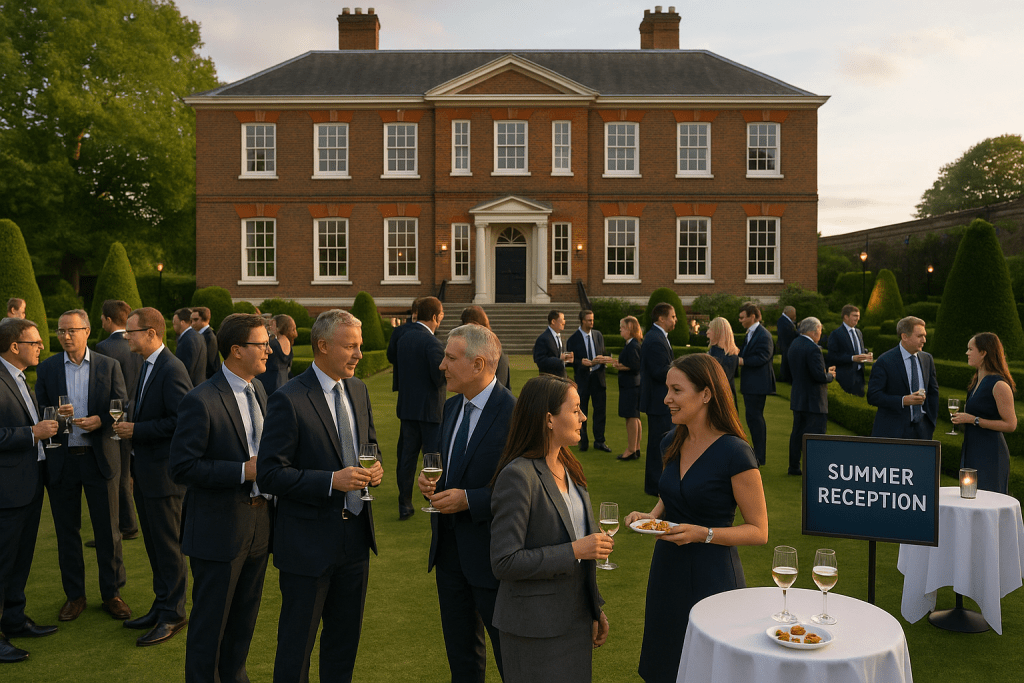
The Commissioner’s House at The Historic Dockyard Chatham, recognised as one of Britain’s most significant maritime heritage buildings, is preparing to reopen in July after a major £3.5 million restoration. The project positions the Grade I listed property as a high-profile, characterful venue for corporate meetings, conferences and private events in Kent.
Originally completed in 1704 for the Commissioner of the Royal Dockyard, the mansion is widely regarded as the oldest surviving naval building of its kind in the United Kingdom. The extensive refurbishment has focused on preserving its architectural fabric while upgrading facilities to meet modern event requirements, creating an additional option for organisers seeking distinctive heritage spaces for business and hospitality functions.
Background or industry context
The redevelopment of Commissioner’s House comes as demand continues to grow for venues that combine technological capability with strong sense of place and history. Across the UK, historic estates, museums and industrial sites have been actively repurposing parts of their estates as event spaces, responding to corporate interest in venues that can support brand storytelling, employee engagement and client hospitality beyond traditional hotel or conference centre settings.
Heritage venues have increasingly invested in infrastructure such as upgraded power, connectivity, and accessibility improvements to compete with purpose-built centres, while emphasising unique architecture and historic narratives as key differentiators. The Historic Dockyard Chatham, a large maritime heritage destination in Kent, already hosts film productions, visitor attractions and learning programmes; the renewed focus on Commissioner’s House extends its role as a multi-use site for both public and private events.
Key developments or announcement
The £3.5 million restoration has revitalised the interior and exterior of Commissioner’s House, aiming to protect its historic character while making it more practical for present-day event use. While detailed room-by-room specifications have not been disclosed, the project has centred on structural conservation, restoration of original features, and updating building services to improve comfort and operational efficiency.
The house offers a variety of rooms suitable for board meetings, receptions, dinners and smaller conferences, alongside access to landscaped gardens that can be used for networking, outdoor hospitality or team building activities, subject to event requirements and capacity limitations. Organisers will be able to use the setting as a standalone hire or in combination with other spaces across The Historic Dockyard Chatham, creating potential for larger, multi-zone programmes.
By reopening in mid-year, the venue is positioned to capture late 2024 and 2025 bookings, especially from organisations looking for non-urban locations within reach of London and South East transport links. Kent’s broader visitor and business events offer, including rail access and regional accommodation stock, forms part of the venue’s appeal to planners managing multi-day programmes.
Industry impact
The restoration strengthens the portfolio of heritage-based meetings and events infrastructure in the South East of England, adding capacity for corporate and association organisers seeking alternative formats to city-centre hotels and conventional conference facilities. For the events sector, the reopening underscores a continuing trend: investment in historic and cultural sites as viable, revenue-generating venues that can host business audiences without compromising conservation goals.
From a destination perspective, the upgraded Commissioner’s House supports Kent’s positioning as an accessible but distinct option for UK and international planners. The combination of maritime heritage, dockyard architecture and adaptable event spaces may appeal to sectors such as defence, engineering, transport, education, public sector and creative industries, as well as agencies designing experiential programmes or incentive experiences with a strong storytelling component.
For venue operators more broadly, the project offers a further example of how long-standing heritage assets are being reconfigured to accommodate corporate demand. It highlights the balance many custodians are seeking to achieve between preserving listed structures and integrating the infrastructure needed for contemporary meetings, such as catering logistics, AV support and back-of-house facilities.
Why this matters for event professionals and technology providers
For event planners, the reopening of Commissioner’s House extends the available choice of heritage venues capable of hosting professional audiences. The dockyard context, period interiors and formal gardens provide a backdrop that can support leadership away days, client entertaining, product briefings, small conferences and hybrid gatherings, where the setting is part of the delegate experience rather than a neutral backdrop.
While the restoration has been primarily focused on conservation and building renewal, venues of this type are increasingly working with AV suppliers, production companies and technology partners to support live streaming, remote participation and recording. Event technology providers may find opportunities in enabling flexible AV setups that respect historic interiors, deploying temporary or mobile solutions rather than extensive fixed installations where building protections apply.
Planners considering such spaces will weigh the trade-offs between character and capacity: listed properties frequently have constraints on structural alterations, rigging, and load-in routes, influencing how staging, lighting and digital infrastructure can be implemented. Early collaboration between venue teams, production partners and end clients is often critical to ensure technical needs can be met within conservation rules and available power, connectivity and access.
For organisers targeting audiences with an interest in history, engineering or maritime innovation, the site’s broader dockyard environment may also support integrated programmes that combine plenary sessions, breakouts and social time with curated tours or experiential activities across the wider estate, subject to operational feasibility.
Conclusion
The £3.5 million restoration of Commissioner’s House at The Historic Dockyard Chatham marks the latest phase in the evolution of historic estates into active participants in the UK’s business events market. By reintroducing the country’s oldest intact naval residence as a working meetings and events venue, the project offers planners another heritage-rich setting in the South East and reinforces the wider sector trend towards distinctive, story-led environments for corporate gatherings.
As the venue begins to welcome bookings following its July reopening, event professionals and suppliers will be watching how the house is used in practice: which event formats prove most effective in the space, how technology is integrated into its listed fabric, and how heritage-led venues can continue to meet contemporary expectations for flexibility, service and delegate experience while preserving their historic integrity.