FFAIR and ExpoFP link platforms to streamline exhibitor onboarding
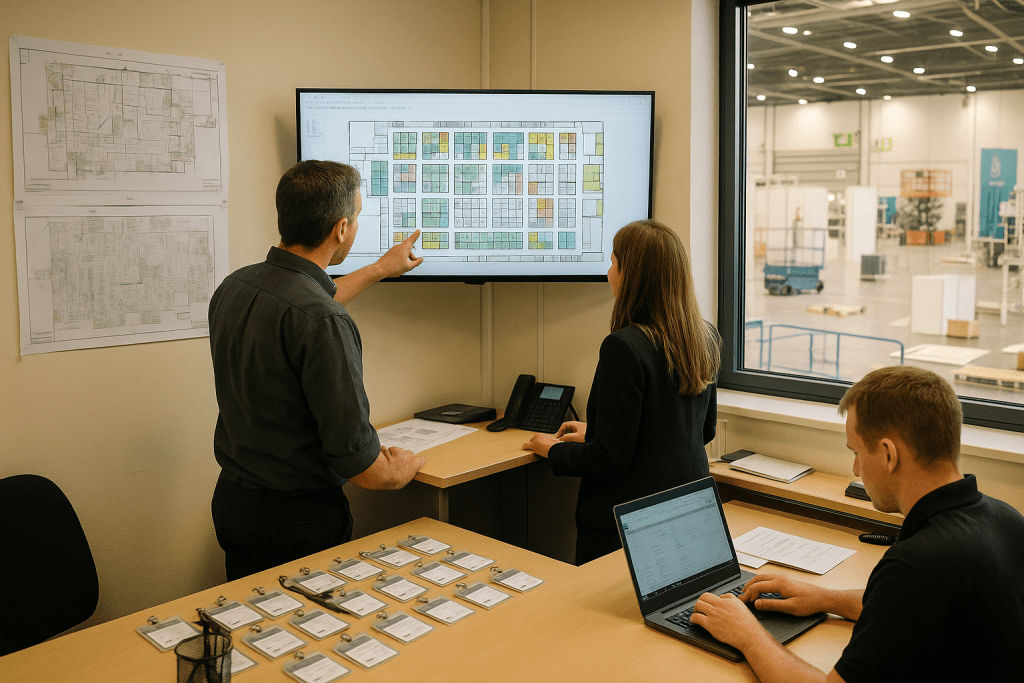
Two established event technology providers, FFAIR and ExpoFP, have entered into a strategic partnership aimed at reducing friction in exhibitor management and floorplan coordination. The collaboration, confirmed during the North West Event Show 2026, will focus on testing a more unified workflow for organisers that connects exhibitor onboarding with real-time floorplan tools.
The initiative is designed to tackle one of the most persistent operational issues in trade shows and exhibitions: disjointed systems for managing exhibitor data, contracts, sponsorship inventory, and stand allocation. By exploring a deeper integration between their platforms, FFAIR and ExpoFP are seeking to offer organisers a more coherent tech stack for managing exhibitors from initial onboarding through to event day.
Background and industry context
Exhibitor and sponsorship management has become increasingly complex as events grow in scale and adopt hybrid and year-round engagement models. Organisers frequently rely on multiple point solutions—one for contracts and billing, another for communications, and a separate system for interactive floorplans and stand sales. This fragmentation can lead to inconsistent data, manual reconciliation, and delays in confirming stand locations and sponsorship packages.
FFAIR positions itself as a platform focused on centralising exhibitor and sponsor workflows, including applications, documentation, communications, and financial tracking. ExpoFP, meanwhile, is widely used for interactive floorplans that support stand selection, navigation, and exhibitor discovery at trade shows and conferences.
As organisers seek greater operational efficiency and better exhibitor experiences, demand has grown for integrated solutions that minimise duplicate data entry and automate routine tasks. The collaboration between FFAIR and ExpoFP is a reflection of this wider industry push towards interoperability among specialist tools rather than reliance on a single monolithic system.
Key developments in the partnership
The partnership will centre on testing a more tightly integrated exhibitor onboarding process that connects FFAIR’s exhibitor and sponsorship management features with ExpoFP’s event floorplan capabilities. The goal is to provide organisers with a single connected workflow rather than separate systems that must be manually reconciled.
While detailed product specifications have not been fully disclosed, the collaboration is expected to explore ways to:
- Synchronise exhibitor records between the two platforms to reduce duplicate data entry.
- Align stand and sponsorship allocation data with live floorplan layouts.
- Support smoother exhibitor onboarding, from application and contract handling through to stand placement.
- Enable organisers to maintain an accurate view of floorplan availability and sold inventory.
The integration testing phase, initiated around the North West Event Show 2026, will help both companies assess how combined workflows perform in real event environments. Feedback from organisers using both systems will likely inform further development and refinement of the joint offering.
Potential impact on event operations
If successful, the collaboration could reduce administrative overhead for exhibition and trade show teams that currently navigate between separate exhibitor management and floorplan tools. In many events, exhibitor information and stand allocation decisions are handled through spreadsheets or manual updates across multiple systems, creating opportunities for errors and miscommunication.
By linking exhibitor onboarding processes with live floorplan data, organisers could gain clearer visibility into:
- Which exhibitors are fully onboarded and assigned spaces.
- Real-time availability of stands and sponsorship inventory.
- Changes in stand size or location that need to be communicated to exhibitors and suppliers.
- Implications of layout changes for visitor navigation and onsite services.
With exhibitor data and floorplan information more closely aligned, organisers may be able to respond more quickly to late bookings, upgrades, or cancellations. This could also support more accurate reporting and post-event analysis, as both exhibitor performance metrics and spatial data become easier to reconcile.
Why this matters for event professionals and technology providers
For event organisers, exhibitor and sponsor revenue often underpins the commercial success of a show. Any inefficiencies in onboarding, communication, or stand allocation can translate into lost time and increased operational risk. A more integrated tech stack has the potential to improve both internal workflows and the experience offered to exhibitors.
Key considerations for organisers observing this development include:
- Operational efficiency: Integrations between exhibitor management systems and floorplan tools can reduce manual work, especially for teams managing multiple events or large-scale exhibitions.
- Data consistency: Shared data structures and synchronised records lower the likelihood of conflicting information being sent to exhibitors, contractors, or internal stakeholders.
- Exhibitor experience: A smoother onboarding journey—covering applications, documentation, payments, and stand confirmation—can influence exhibitor satisfaction and rebookings.
- Scalability: As events scale or adopt more complex layouts, linked systems can help teams handle larger volumes of exhibitors without proportionate increases in administrative load.
For technology providers in the event sector, the partnership underscores growing client expectations around interoperability. Rather than replacing existing systems outright, many organisers want specialised tools that can exchange data seamlessly. Vendors may face greater pressure to offer open APIs, integration partnerships, and modular product strategies that fit into diverse event tech stacks.
Conclusion
The partnership between FFAIR and ExpoFP reflects a broader shift in event technology towards more connected, data-driven operations. By testing a deeper integration between exhibitor management and interactive floorplans, the two companies are aiming to address longstanding pain points around exhibitor onboarding and stand allocation.
While outcomes will depend on how the integration performs in live event settings and how widely it is adopted, the move is likely to resonate with organisers seeking to streamline complex exhibition workflows. For the wider industry, it adds momentum to the trend of collaborative, interoperable event tech solutions designed to reduce friction for organisers, exhibitors, and attendees alike.