Enhancing Event Engagement Through Gamification Strategies

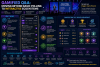
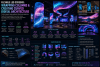
Incorporating gamification into events has emerged as a powerful strategy to boost attendee engagement, foster networking, and enhance content retention. By integrating game-like elements into non-game contexts, event organizers can create interactive and memorable experiences for participants.
Understanding Gamification in Events
Gamification involves applying game design principles—such as challenges, competitions, and rewards—to non-game settings to motivate and engage individuals. In the context of events, this approach transforms passive attendees into active participants, encouraging deeper interaction with the event content and fellow attendees.
Benefits of Gamification in Events
-
Increased Active Participation: Introducing game elements like puzzles, trivia, or scavenger hunts encourages attendees to engage more deeply with event activities, leading to a more immersive experience.
-
Enhanced Networking Opportunities: Team-based challenges and competitions promote collaboration among participants, facilitating the formation of professional and personal connections.
-
Improved Content Retention: Presenting information through interactive and playful methods aids in better comprehension and memory retention of key messages delivered during the event.
-
Creation of Memorable Experiences: Gamified events stand out by offering unique and enjoyable experiences, increasing attendee satisfaction and the likelihood of positive word-of-mouth promotion.
Effective Gamification Strategies for Events
-
Interactive Quizzes and Polls: Engage attendees with real-time quizzes and polls related to event topics, encouraging participation and immediate feedback.
-
Scavenger Hunts: Design scavenger hunts that guide participants through various event areas or content, promoting exploration and interaction.
-
Leaderboards and Rewards: Implement leaderboards to display participant achievements and offer rewards or recognition to top performers, fostering a sense of competition and accomplishment.
-
Social Media Challenges: Encourage attendees to share event experiences on social media platforms using specific hashtags, with incentives for the most creative or popular posts.
-
Networking Bingo: Create bingo cards with various networking objectives, such as meeting someone from a different industry, to motivate attendees to expand their professional connections.
Implementing Gamification Successfully
To effectively incorporate gamification into events, organizers should:
-
Define Clear Objectives: Establish specific goals for gamification, such as increasing engagement, promoting networking, or enhancing learning outcomes.
-
Understand the Audience: Tailor game mechanics to suit the demographics and preferences of the event attendees to ensure relevance and participation.
-
Utilize Appropriate Technology: Leverage event apps and digital platforms to facilitate gamified activities, track progress, and provide real-time updates.
-
Monitor and Evaluate: Continuously assess the effectiveness of gamification strategies through attendee feedback and participation metrics to make necessary adjustments.
By thoughtfully integrating gamification into event planning, organizers can create dynamic and engaging experiences that resonate with attendees, leading to more successful and impactful events.