Interactive Audience Engagement Tools: Transforming Passive Attendees Into Active Participants
Introduction
The success of modern events is no longer measured only by attendance numbers—it’s measured by audience engagement. Whether at conferences, trade shows, product launches, festivals, or hybrid events, organizers increasingly prioritize tools that transform passive audiences into engaged, active participants.
Interactive audience engagement tools are redefining how attendees learn, connect, and contribute. These technologies include everything from live polls and gamification apps to AI-driven networking platforms, second-screen interactions, AR activations, and immersive collaboration systems.
In a world where attention spans are shrinking and expectations are rising, these tools ensure attendees feel involved, empowered, and entertained throughout the event experience.
What Are Interactive Audience Engagement Tools?
Audience engagement tools are digital or physical systems designed to:
✔ Encourage participation
✔ Capture attendee opinions or data
✔ Enable two-way communication
✔ Support collaboration
✔ Enhance excitement and involvement
They help organizers create dynamic, interactive environments where attendees don’t just watch but actively shape the event.
Why Audience Engagement Matters More Than Ever
✔ Increases attendee satisfaction
Engaged participants feel valued and connected.
✔ Strengthens learning and retention
Interactive experiences improve comprehension and memory.
✔ Boosts networking
Tools encourage meaningful conversations and relationship-building.
✔ Drives exhibitor and sponsor ROI
More engagement = more leads, more impressions, more conversions.
✔ Enhances event analytics
Ideally, engagement tools provide measurable data for future planning.
✔ Elevates overall event experience
Turning attendees into participants creates emotional impact.
Key Types of Audience Engagement Tools
1️⃣ Live Polling & Real-Time Feedback Systems
Tools like Slido, Mentimeter, and Poll Everywhere enable audiences to:
-
Vote on topics
-
Express opinions
-
Ask questions
-
Participate in quizzes
-
Influence session discussions
Presenters can adapt their message in real time based on audience feedback.
2️⃣ Mobile Event Apps & Second-Screen Experiences
Event apps allow attendees to:
-
Interact with content live
-
Share opinions
-
Answer questions
-
Access additional resources
-
Join discussions
-
Receive personalized updates
Second-screen engagement keeps audiences involved even during long sessions.
3️⃣ Q&A Platforms with Moderation
Interactive Q&A tools allow:
-
Upvoting popular questions
-
Anonymized participation
-
Moderator-controlled visibility
-
Better inclusion of quiet attendees
Q&A becomes more democratic and structured.
4️⃣ Gamification Tools
Gamification increases excitement through:
-
Scavenger hunts
-
Leaderboards
-
Badges & achievements
-
Challenges & checkpoints
-
AR-based tasks
Gamified elements increase dwell time and repeat engagement at key event zones.
5️⃣ Audience Interaction via AR & VR
Immersive technologies allow attendees to:
-
Interact with virtual objects
-
Participate in augmented storytelling
-
Join 3D collaborative spaces
-
Experience products in simulated environments
Perfect for exhibitions, product launches, and experiential brands.
6️⃣ Interactive Voting Keypads & Wearables
Instant feedback tools that don’t require smartphones.
Useful for:
-
Plenary sessions
-
In-person training
-
Workshops
-
Awards & contests
Wearables can also track movement and participation.
7️⃣ Social Walls & Live Audience Displays
Real-time social media streams display:
-
Photos
-
Posts
-
Poll results
-
Audience reactions
-
Sponsored content
This creates a hybrid digital–physical community environment.
8️⃣ Networking & Matchmaking Tools
AI-powered networking tools connect attendees based on:
-
Interests
-
Goals
-
Business profiles
-
Session preferences
Examples: Grip, Brella, Swapcard, Airmeet
These tools foster better business outcomes and attendee satisfaction.
9️⃣ Collaborative Whiteboards & Interactive Screens
Ideal for:
-
Workshops
-
Brainstorming
-
Design sessions
-
Hackathons
Allows audiences to co-create content and share ideas visually.
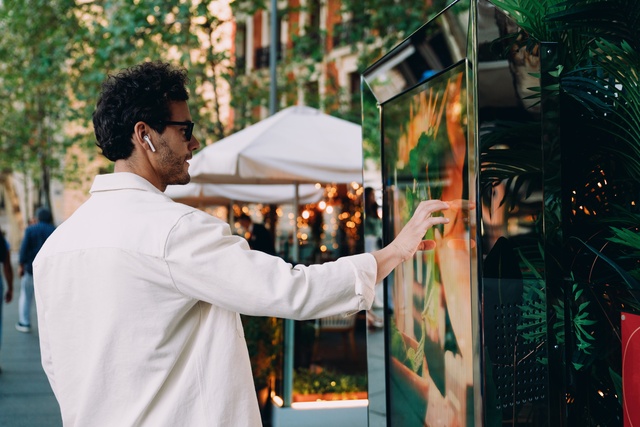
🔟 Interactive Touch Kiosks
Placed around event venues, kiosks allow:
-
Surveys
-
Games
-
Product browsing
-
Sponsor engagement
-
Wayfinding
They provide independent engagement stations for continuous activity.
Benefits of Interactive Engagement Tools for Organizers
| Benefit | Why It Matters |
|---|---|
| Improves participation | Keeps attendees energized and focused |
| Collects valuable insights | Feedback helps organizers improve future events |
| Boosts sponsor visibility | Gamified and interactive ads increase brand recall |
| Enhances learning outcomes | Participation leads to deeper understanding |
| Supports hybrid engagement | Tools work both onsite and virtually |
| Creates memorable experiences | Audiences remember interactive events more |
Engagement tools are essential for modern event success.
Integration With Other Event Technologies
Engagement tools become more powerful when integrated with:
✔ RFID & NFC systems for activity tracking
✔ Beacon technology for location-based gamification
✔ AI tools for hyper-personalized content suggestions
✔ Event mobile apps for unified communication
✔ Digital signage for real-time result displays
✔ CRM systems for lead capture and follow-up
✔ Hybrid platforms for cross-channel interaction
The result is a cohesive, data-driven engagement ecosystem.
Best Practices for Implementing Engagement Tools
🟢 Keep it simple
Engagement shouldn’t feel complicated or distracting.
🟢 Ensure accessibility
Multi-language, disability-friendly design is essential.
🟢 Reward participation
Use badges, leaderboards, and incentives to motivate.
🟢 Promote from the start
Market engagement features before and during the event.
🟢 Train speakers & exhibitors
They must understand how to use these tools effectively.
🟢 Use clear instructions
Attendees should know how to participate instantly.
🟢 Monitor analytics
Adjust engagement strategies based on real-time data.
Challenges & How to Overcome Them
| Challenge | Solution |
|---|---|
| Low participation | Incentives + clear communication |
| Tech issues | On-site support + pre-testing |
| App fatigue | Use Web apps and lightweight interfaces |
| Over-complexity | Prioritize user-friendly tools |
| Privacy concerns | Transparent consent and secure data handling |
Engagement should be smooth, fun, and frustration-free.
Future Trends in Audience Engagement Technology
✨ AI-Driven Emotion Analytics
Cameras and microphones detect engagement levels and adjust content automatically.
✨ Hyper-Personalized Content Feeds
Each attendee receives custom session summaries, tasks, and recommendations.
✨ Multi-User AR Collab Spaces
Mixed reality environments for group brainstorming and networking.
✨ Haptic Engagement Tools
Wearables offering vibration, warmth, or resistance for more immersive interactions.
✨ Voice-Activated Participation
Attendees engage using natural speech instead of buttons or screens.
✨ Interactive Digital Twins
Live virtual replicas of events where remote users interact with physical attendees.
✨ Gamified Sponsorship Journeys
AI-personalized pathways linking attendees with sponsors through fun challenges.
Engagement will move deeper into sensory, intelligent, and personalized experiences.
Conclusion
Interactive audience engagement tools are reshaping the event industry by turning attendees from passive viewers into active participants. With technologies ranging from live polling and gamification to AR/VR and AI-powered networking, event organizers can create more meaningful, dynamic, and memorable experiences than ever before.
As events continue to evolve, engagement tools will serve as the engine of connection, improving learning, strengthening relationships, boosting sponsor ROI, and generating rich data insights that drive smarter decision-making.
Simply put: engaged attendees are satisfied attendees—and interactive tools are the key to unlocking that engagement.