Sennheiser’s Spectera system selected for 2026 Eurovision Song Contest audio
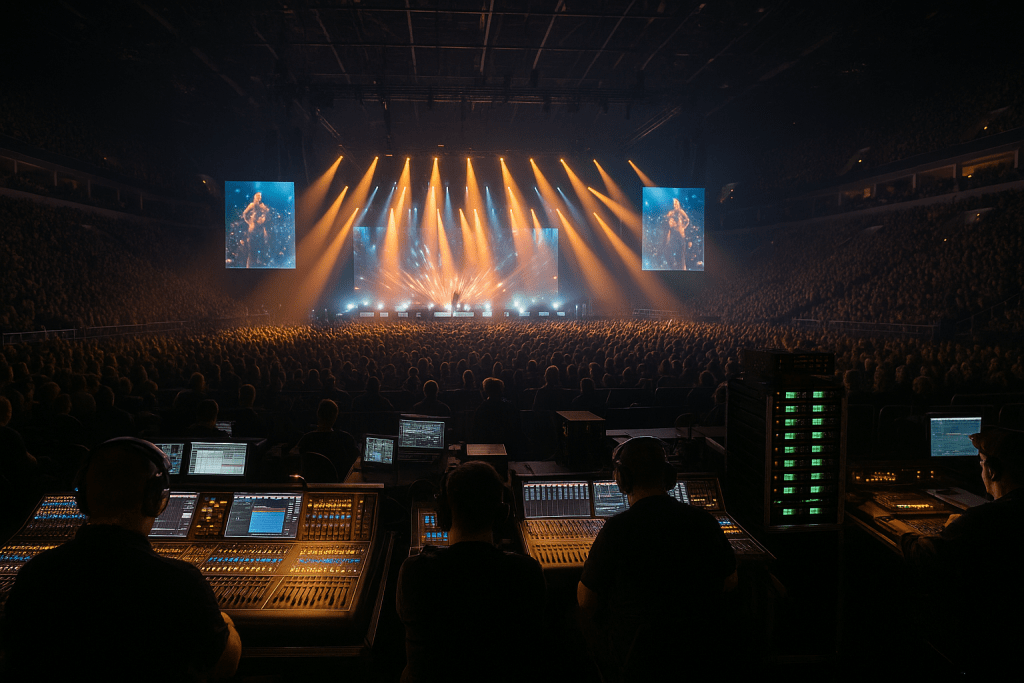
Background and context
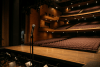
The Eurovision Song Contest has long served as a testing ground for new live audio and RF technologies, with each host city facing complex production demands. The 2026 edition, staged in a large indoor arena and broadcast to a global audience, required a wireless infrastructure capable of handling dense channel counts, strict spectrum constraints, and rapidly changing stage configurations.
Against this backdrop, Sennheiser’s Spectera wireless solution was chosen as part of the audio workflow for the event. The contest’s reputation for ambitious staging and high production expectations made it a significant reference project for any manufacturer seeking to demonstrate reliability at scale.
Key announcement
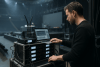
Sennheiser has reported that its Spectera system was deployed during the 2026 Eurovision Song Contest to support the show’s RF and audio requirements. According to the manufacturer, Spectera was used to manage a large number of wireless channels across performers, presenters, and support segments throughout the live broadcast.
The deployment involved coordination across multiple technical teams, including broadcast audio, live sound, and RF management. Spectera was integrated into the wider signal chain alongside existing mixing, monitoring, and intercom systems used by the host broadcaster and local production partners.
The system was tasked with maintaining stable wireless performance in an environment characterized by heavy RF congestion, frequent scene changes, and tight rehearsal and changeover schedules. Sennheiser states that Spectera’s role included overseeing frequency allocation, minimizing interference risk, and providing monitoring for engineers overseeing live and backup signal paths.
Further details on the Spectera platform and its technical capabilities are available via Sennheiser’s official website.
Industry impact
While Eurovision is a single event, it operates as a high-profile showcase for the current state of live production. A successful deployment there can influence purchasing decisions across broadcasters, rental companies, and venue operators who face similar RF and workflow challenges, though on a smaller scale.
For audio teams, the contest reflects trends that are increasingly common at large shows: more wireless channels on stage, greater dependence on in-ear monitoring, and the need for RF planning tools that can adapt quickly as productions evolve. Systems that can integrate into existing infrastructures and provide clear oversight of RF performance are in growing demand.
- Broadcasters are seeking tools that support predictable, repeatable RF management across multi-day productions.
- Rental and production companies are prioritizing systems that can be scaled from arena tours to televised specials.
- Venues are looking for platforms that help navigate shrinking spectrum availability and regulatory changes.
Sennheiser’s report on Spectera’s role at Eurovision positions the system within this broader shift, where RF management is increasingly treated as a critical part of show design rather than a last-minute technical concern.
Why this matters
For the event technology sector, deployments at large televised events are watched closely because they test equipment in conditions that are difficult to replicate elsewhere. High channel counts, strict timelines, and international broadcast requirements expose any weaknesses in system design or workflow.
If systems like Spectera can demonstrate consistent performance under these pressures, they are more likely to be considered for stadium tours, festivals, and hybrid broadcast events where similar challenges exist. The Eurovision Song Contest’s 2026 production therefore serves as a case study in how modern RF and audio control platforms are being applied in real-world scenarios.
As spectrum availability continues to tighten and productions push for more wireless flexibility on stage, the tools used at flagship events will shape expectations for reliability, usability, and integration across the wider live events ecosystem.