Lucas Museum Opening Highlights New Event Venue Options in Los Angeles
Background and Context
The Lucas Museum of Narrative Art has officially opened in Los Angeles, adding a high-profile cultural institution to the city’s roster of event-capable venues. Conceived by filmmaker George Lucas and longtime producer Mellody Hobson, the museum focuses on narrative art across media, including painting, illustration, comics, cinema, and digital works.
Located in Exposition Park, the museum sits alongside other major public attractions, positioning it within an already active district for large-scale gatherings and cultural programming. For event professionals, the launch introduces a purpose-built facility that blends museum galleries with flexible spaces suited to private and public events.
The opening night program was designed to demonstrate how different areas of the property can support a variety of event formats, from formal receptions to immersive experiences that integrate the museum’s collections.
Key Announcement
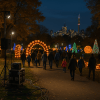
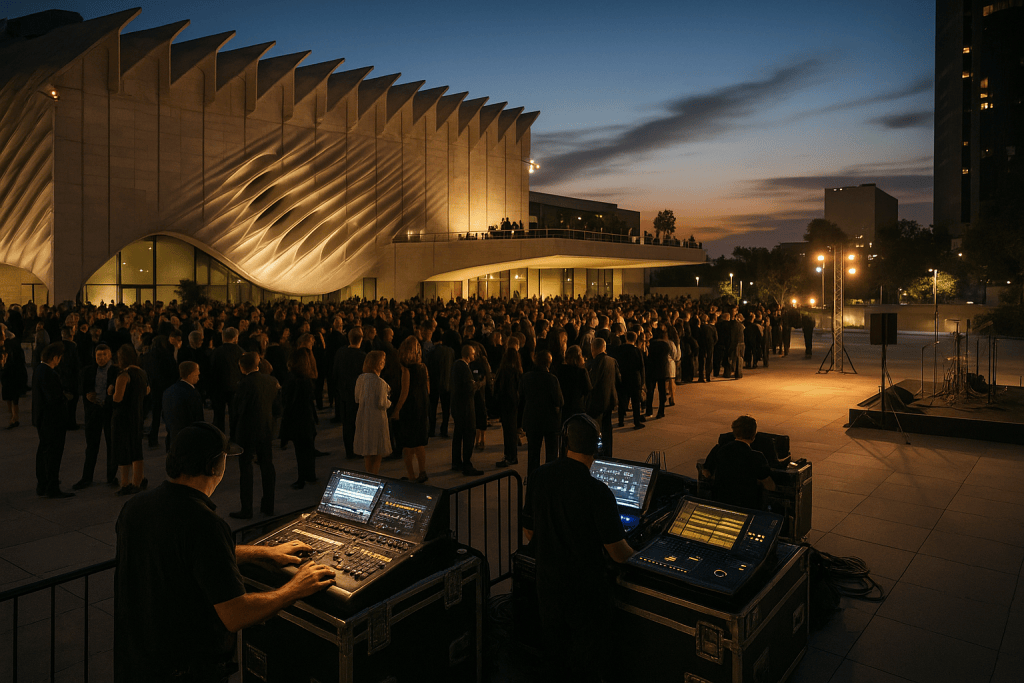
The museum’s debut celebration was staged as a multi-zone event that activated key spaces: the outdoor plaza, main galleries, rooftop, and dedicated event areas. This approach effectively functioned as a proof-of-concept for event use, offering attendees and planners an early look at the venue’s flow and technical potential.
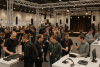
The plaza served as a large, open-air gathering point, suited to receptions, red-carpet arrivals, and live performances. Inside, the galleries were opened to guests, illustrating how exhibitions and narrative art installations can be incorporated into event programming, either as the main focus or as a curated backdrop.
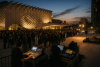
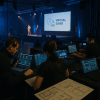
The rooftop areas were used to showcase views of the surrounding city and park, highlighting opportunities for cocktail events or smaller celebrations that benefit from outdoor space with an urban skyline context. Dedicated event spaces within the building provided more controlled environments suitable for presentations, panels, and seated functions.
While detailed technical specifications were not the focus of the opening coverage, the event demonstrated that the museum has been designed to host complex productions that integrate audiovisual elements with art displays and architectural features. Further information about the institution and its spaces is available through the official site, lucasmuseum.org.
Industry Impact
For the event and AV sector, the Lucas Museum’s opening expands Los Angeles’s options for high-profile, content-rich venues. Museums have become increasingly important for organizers seeking experiential environments, and this venue aligns with that trend by centering narrative and visual storytelling.
The combination of outdoor plaza, rooftop, and interior galleries allows producers to design multi-stage events that move audiences through different settings in a single program. This supports formats such as progressive dinners, multi-room brand activations, award shows with adjacent VIP areas, and hybrid cultural-corporate functions.
From an AV perspective, the presence of galleries and narrative installations suggests demand for careful integration of lighting, projection, and sound so that temporary event infrastructure coexists with permanent exhibitions. This may drive increased collaboration between event suppliers, in-house technical teams, and curatorial staff to protect artwork while still delivering impactful production values.
The museum’s position within Exposition Park also reinforces the area as a campus-style destination, where large events can potentially connect multiple venues and outdoor spaces, creating broader opportunities for citywide meetings, festivals, and cultural programming.
Why This Matters
For planners, producers, and AV teams, the Lucas Museum of Narrative Art represents a new, visually distinctive environment built to support both public exhibitions and private events. Its opening night showed that the site can handle multi-location programming, varied audience sizes, and events that weave together art, architecture, and live production.
As clients look for venues that help differentiate their events, locations tied to recognizable cultural institutions carry added value. The museum’s emphasis on narrative art aligns closely with how many events are now designed—as storytelling experiences that move attendees through a curated journey.
In practical terms, the museum gives the Los Angeles market another option for film premieres, galas, brand launches, and conferences that require both technical capacity and a strong visual context. As more details emerge about rental policies, technical capabilities, and available configurations, the Lucas Museum is likely to become part of the regular venue shortlist for both local and destination events in the city.