Major Canadian events expand with new venues and immersive experiences
Background and context
Canada’s live events sector is entering a new phase of experimentation with formats, venues, and audience engagement tools. Sports properties, music festivals, and cultural attractions are adjusting how they design experiences and deploy technology to draw in-person attendees.
These changes come as organizers continue to refine their post-pandemic strategies, balancing broadcast and digital reach with renewed demand for live, in-venue experiences. From Calgary to Montréal and Ontario festival grounds, planners are rethinking site layouts, storytelling, and technical production.
Key announcement
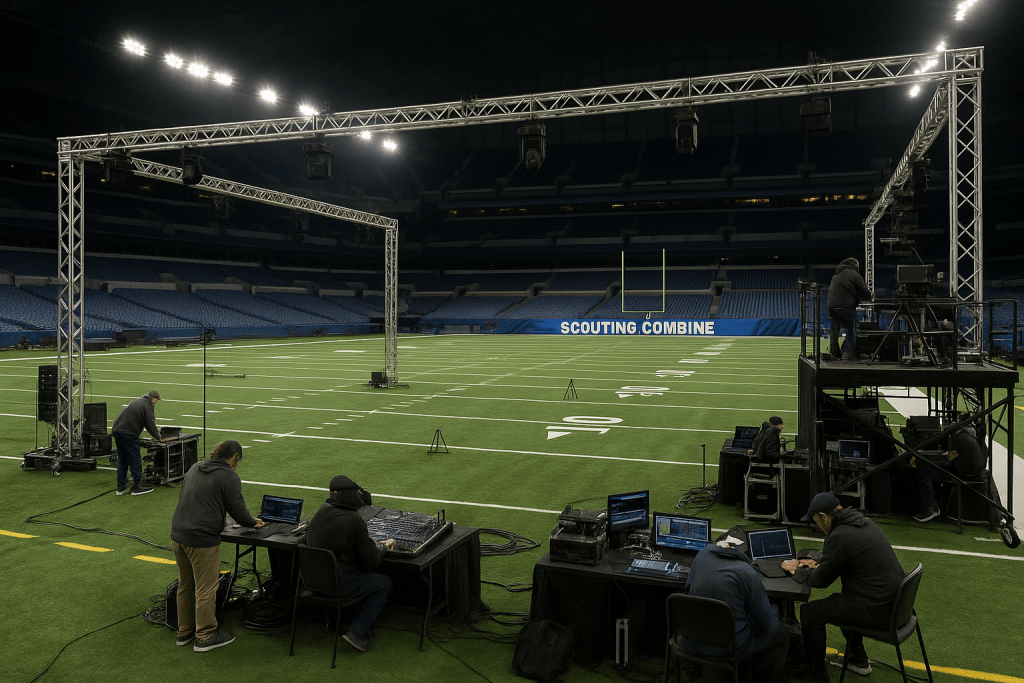
The Canadian Football League (CFL) has confirmed that its annual Combine, a key scouting and evaluation event for prospective players, will relocate to Calgary. Traditionally held in other major markets, the move signals closer alignment between league operations, host-city partners, and venue capabilities.
The Combine, which brings together athletes, scouts, media, and league officials, typically requires a mix of indoor field space, strength and conditioning areas, media zones, and broadcast infrastructure. Calgary’s hosting role is expected to include enhanced support for live coverage, digital content capture, and fan-oriented programming around the core evaluation activities.
In Ontario, the Boots and Hearts Music Festival is continuing to evolve its multi-day country music event format, emphasizing large-scale staging, LED display integration, and upgraded sound reinforcement to support headlining acts and emerging artists. The festival’s layout and technical specification aim to handle high audience density while maintaining clear sightlines and intelligible audio across the grounds.
Montréal’s Gardens of Light, an autumn attraction featuring illuminated installations in a botanical setting, is expanding its use of lighting design and projection to create immersive pathways and storytelling zones. The event combines scenic design, carefully programmed lighting sequences, and ambient audio to guide visitors through a series of themed environments.
Additional events across Canada are following similar patterns: using lighting, sound, and interactive media to differentiate their experiences, while optimizing crowd flow and accessibility. Organizers are increasingly collaborating with production companies and AV integrators to support these ambitions.
Industry impact
-
The CFL Combine’s move to Calgary underscores the importance of flexible sports venues that can double as media production hubs. Facilities able to support multi-camera broadcast, live streaming, and data-rich storytelling are becoming more attractive to rights holders.
-
Large music festivals such as Boots and Hearts are serving as test beds for scalable stage designs, timecoded lighting, and distributed audio systems capable of handling variable weather and crowd conditions without compromising performance quality.
-
Experiences like Gardens of Light highlight growing demand for seasonal, outdoor, and family-focused attractions that rely heavily on creative lighting and projection technology rather than traditional staging.
For AV suppliers, rental houses, and production crews, these developments translate into a steady requirement for robust networks, reliable power distribution, and interoperable control systems that can be adapted from sports to festivals to cultural events.
Why this matters
For event professionals, the current wave of Canadian projects provides insight into how different segments are investing in technology and design. Sports organizations are emphasizing data capture and media workflows; festivals are prioritizing flexible staging and audience experience; cultural attractions are focusing on storytelling through light and sound.
Vendors and planners who can deliver integrated solutions across these domains are likely to be better positioned as cities compete to host marquee events. More information on these and related live experiences in Canada can typically be found via official league, festival, and venue websites, including the CFL’s own event pages at cfl.ca.
As the market continues to stabilize, these case studies suggest that Canadian organizers see technology not as an add-on, but as a core element of how events are conceived, produced, and experienced on site.