US event technology developments: SXSW plans, Orlando Out Fest, and Phoenix Suns fan upgrades
Background and context
The US live events sector continues to evolve as organizers, venues, and sports franchises invest in technology to shape future audience experiences. While many projects are still in planning or early deployment stages, several initiatives set out the direction of travel for large-scale festivals, destination events, and arena shows.
Recent updates touch three different segments of the market: a major cultural festival looking ahead to its 2027 edition, an LGBTQ+ event expanding its presence in a key tourism city, and a professional basketball team refining how fans engage with content inside its home arena.
Taken together, these developments highlight how event producers are rethinking formats, infrastructure, and digital layers of the attendee journey, rather than treating AV and interactive systems as secondary add-ons.
Key announcement
Planning is already under way for the 2027 edition of South by Southwest (SXSW), with organizers examining how to adjust programming, venues, and technology deployment for a landscape where hybrid expectations and content-on-demand are now embedded behaviors.
While specific vendor selections and platform decisions have not been detailed publicly, the festival is understood to be reviewing areas such as scalable live streaming, onsite connectivity, and flexible staging that can accommodate both in-person and recorded formats.
In Orlando, Out Fest is shaping future editions with an emphasis on visibility and safe spaces for LGBTQ+ communities and allies, supported by contemporary production values. The event’s direction suggests greater integration of LED display technologies, immersive audio, and more intentional use of lighting design to support performance and storytelling, rather than simply adding spectacle.
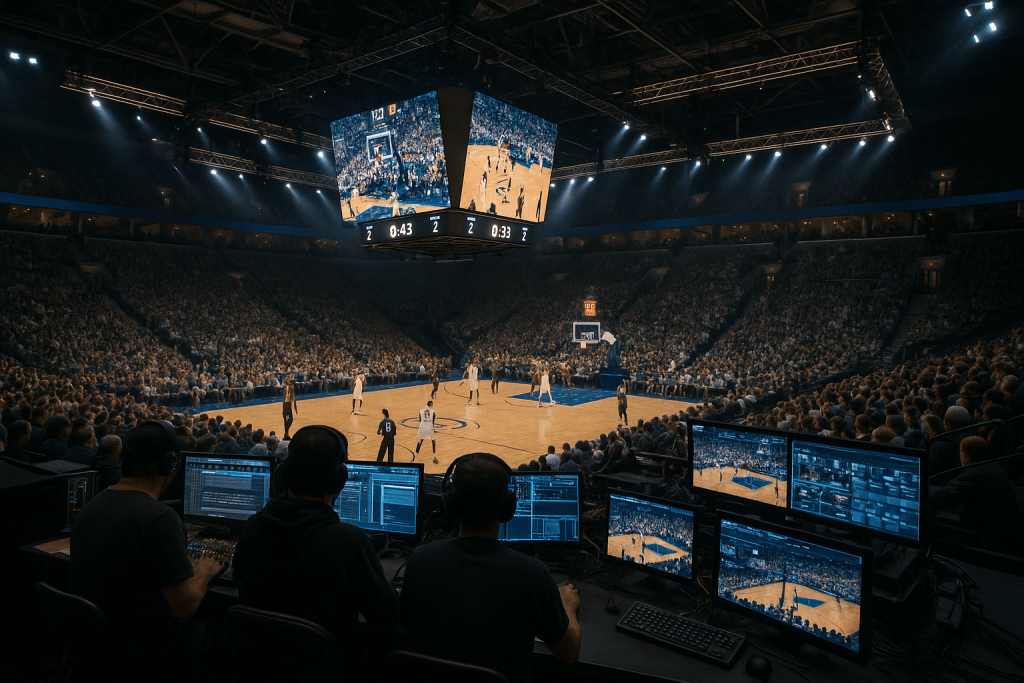
Meanwhile, the Phoenix Suns are upgrading aspects of the fan experience at their home venue. The organization is enhancing in-bowl presentation and concourse interaction through tools that may include expanded digital signage, content distribution systems, and in-game engagement features designed to sync with mobile devices and arena screens.
According to information shared by the team, the focus is on making content more responsive to live game moments while keeping latency low across displays throughout the building.
Industry impact
For event technology providers, these moves signal continued demand for infrastructure that can handle both scale and flexibility. Festivals like SXSW remain test beds for new platforms, from live streaming tools to interactive installations, often setting expectations that later filter into smaller conferences and regional events.
Destination events such as Orlando’s Out Fest also influence how municipalities and local venues think about inclusive programming and accessible production. Requirements for clear sightlines, intelligible audio, and safe but impactful lighting often push rental houses and production partners to upgrade their inventories and workflows.
In the sports sector, the Suns’ fan experience work underscores how arenas are becoming media environments as much as seating venues. When teams improve coordination between their control rooms, LED systems, and mobile engagement layers, it raises the bar for other franchises competing for ticket buyers who are used to high-quality, on-demand entertainment at home.
Manufacturers of AV systems, control platforms, and networking solutions are likely to see continued interest from teams and venues aiming to connect in-venue content with data from ticketing, loyalty programs, and sponsor activations. More information on typical arena-focused technology solutions can be found via manufacturers’ product overviews, such as those published on their official websites.
Why this matters
These developments point to a few consistent themes. First, large festivals and destination events are planning technology investments over multi-year horizons, not edition by edition. That makes long-term interoperability and support more important than one-off show features.
Second, inclusion-focused events like Out Fest show how production design can support community goals. Decisions about audio coverage, lighting tone, and screen content are increasingly part of discussions about accessibility, representation, and audience comfort.
Third, sports venues are quietly becoming some of the most advanced event technology environments. Their need to deliver synchronized content to tens of thousands of attendees creates learnings that can be applied to corporate events, trade shows, and fan conventions.
For event planners, production companies, and venue operators, watching how these three very different projects evolve offers a useful snapshot of where budgets and attention are moving: toward integrated systems, data-aware content, and experiences that feel tailored to specific audiences rather than generic mass productions.