Global venue updates highlight expansion and tech investment across major event markets
Background and context
Event venues worldwide are continuing to invest in new facilities, branding, and services as international meetings and business events regain momentum. Recent updates span new divisions within established companies, large-scale hotel renovations, and technology-forward enhancements to convention centers.
While the pace of openings and rebrands slowed during the pandemic years, current activity suggests renewed confidence from owners and operators. Many of the latest projects focus on flexible meeting spaces, upgraded audiovisual infrastructure, and redesigned public areas to attract corporate, incentive, and association business.
This aligns with ongoing demand from planners for more adaptable venues that can support hybrid formats, high-quality streaming, and immersive attendee experiences, alongside traditional in-person events.
Key announcement
Among the latest developments, Associated Luxury Hotels International (ALHI) has introduced a new division aimed at strengthening its offering to the meetings and events market. The move broadens the company’s portfolio strategy and is intended to streamline how planners access its partner properties and services.
The division’s launch comes as several major hotels and convention venues announce renovations and upgrades. Recent examples include:
- Large convention hotels adding or reconfiguring ballroom and breakout spaces to handle simultaneous in-person and virtual production.
- Meeting properties refreshing guest rooms and public spaces to better support longer-stay business travelers and team off-sites.
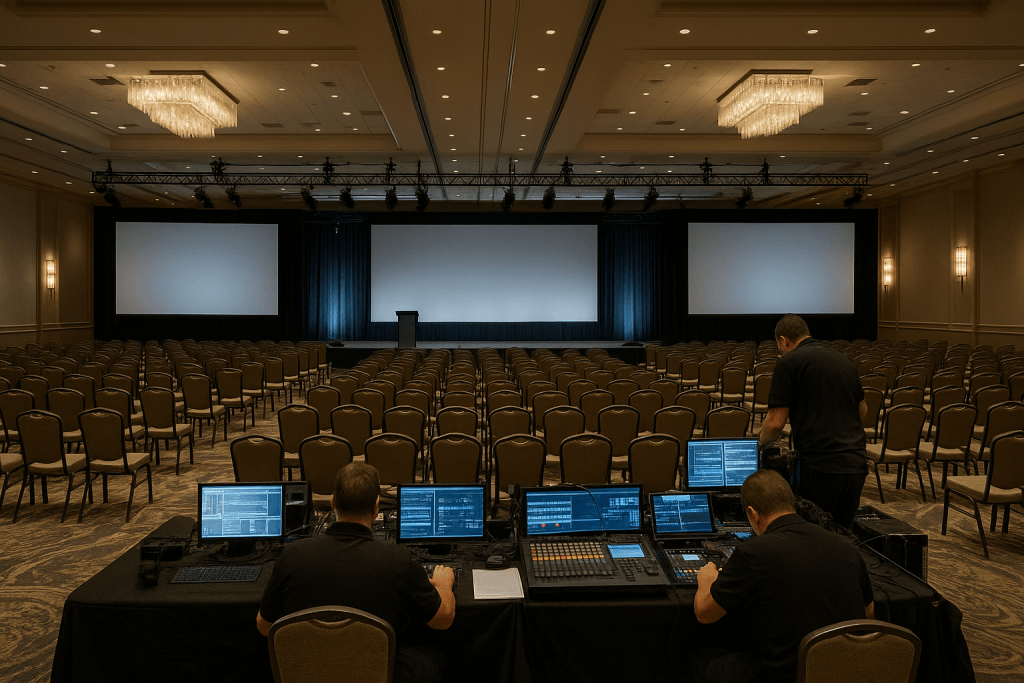
- Upgrades to on-site AV, including higher-capacity connectivity, improved lighting grids, and built-in broadcast capabilities for live and hybrid events.
Many venues are also emphasizing sustainability features in their updates, such as energy-efficient lighting, smarter climate control in meeting spaces, and more flexible staging options to reduce build and teardown waste.
Details on ALHI’s broader portfolio and services are available via the company’s official website, where planners can review participating properties and meeting capabilities.
Industry impact
For event professionals, these developments point to a more competitive landscape among destination hotels, convention centers, and alternative meeting venues. Operators are signaling that they expect groups to continue demanding higher production values, better connectivity, and more sophisticated attendee experiences.
Enhanced AV infrastructure at the venue level may reduce the need for extensive temporary builds for some events, as more spaces are designed with integrated digital displays, rigging points, and streaming-ready control rooms. This could shift some budgets from basic technical setup toward content, creative, and audience engagement.
At the same time, the expansion of sales and representation divisions, such as ALHI’s new unit, may make it easier for planners to compare and source venues across regions. Consolidated account management and clearer access to specifications can support faster decision-making, particularly for large or multi-city programs.
Why this matters
These venue updates are relevant for anyone planning conferences, incentives, and brand experiences over the next several years. As properties complete renovations and expand their services, planners can expect:
- More options for built-in hybrid and broadcast capabilities, potentially reducing load-in times and external equipment requirements.
- Greater flexibility in space configurations, supporting everything from traditional plenaries to studio-style sets and experiential breakouts.
- Increased focus on attendee comfort, from upgraded guest rooms to redesigned lobby and networking areas.
Looking ahead, the combination of new divisions within established groups and the ongoing refresh of large convention hotels suggests that the business events sector is moving beyond recovery and into a new phase of competition. For event organizers, staying informed about these changes will be key to matching program objectives with the right spaces, technology capabilities, and destination support.